On-chain crypto ETFs have quickly become the go-to solution for investors who want direct blockchain exposure without the hassle of managing private keys or navigating complex DeFi protocols. If you’re wondering how to invest in on-chain crypto ETFs in 2025, you’re not alone, this space is evolving fast, and a clear, step-by-step approach is essential. Let’s walk through what you need to know and do to get started.
Why On-Chain Crypto ETFs Are Gaining Momentum in 2025
The appeal of on-chain crypto ETFs comes down to two things: transparency and accessibility. These funds hold digital assets directly on the blockchain, giving investors real-time proof of reserves and eliminating much of the counterparty risk associated with traditional finance. Regulatory clarity has also improved dramatically this year, making it easier for platforms like Ondo Finance, Swell, and Index Coop to offer fully compliant ETF products.
Unlike legacy crypto ETFs that rely on off-chain custodians or synthetic exposure, on-chain ETFs operate transparently within smart contracts. This means you can verify fund holdings yourself, no more trusting obscure spreadsheets or waiting for quarterly reports.
Your Step-by-Step Guide to Investing in On-Chain Crypto ETFs
If you’re ready to dive into decentralized ETF investing, follow these five core steps. Each one is crucial for a secure and seamless experience:
How to Invest in On-Chain Crypto ETFs: A Visual Step-by-Step Guide (2025)
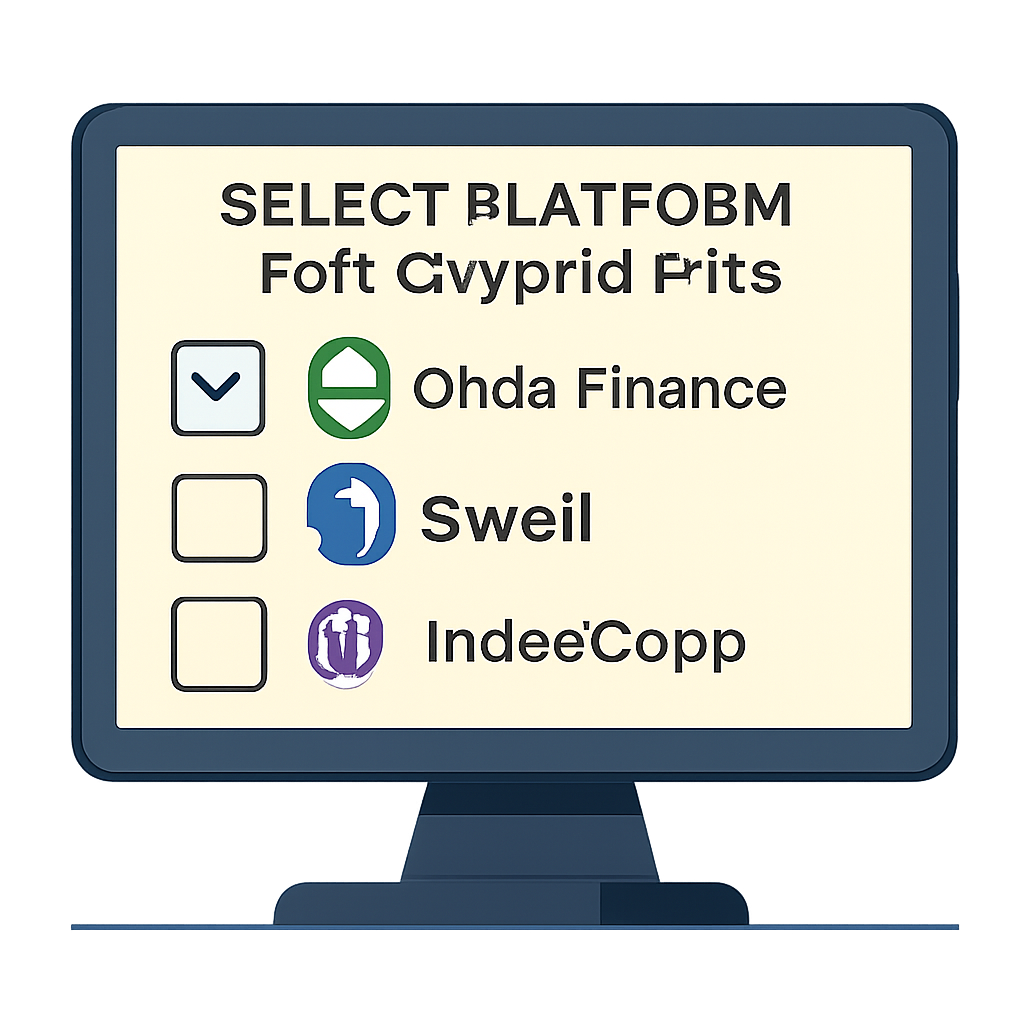


1. Choose a Reputable On-Chain ETF Platform
The first (and arguably most important) decision is picking where you’ll invest. In 2025, leading platforms such as Ondo Finance, Swell, and Index Coop have set industry standards for security, transparency, and user experience. Each offers unique features:
- Ondo Finance: Known for innovative tokenized treasury products alongside their flagship on-chain ETFs.
- Swell: Focuses on liquid staking strategies integrated with diversified crypto index products.
- Index Coop: Offers thematic crypto indices (like DeFi Pulse Index) with robust community governance.
Before committing funds, review each platform’s fee structure, asset selection, and reputation within the crypto community.
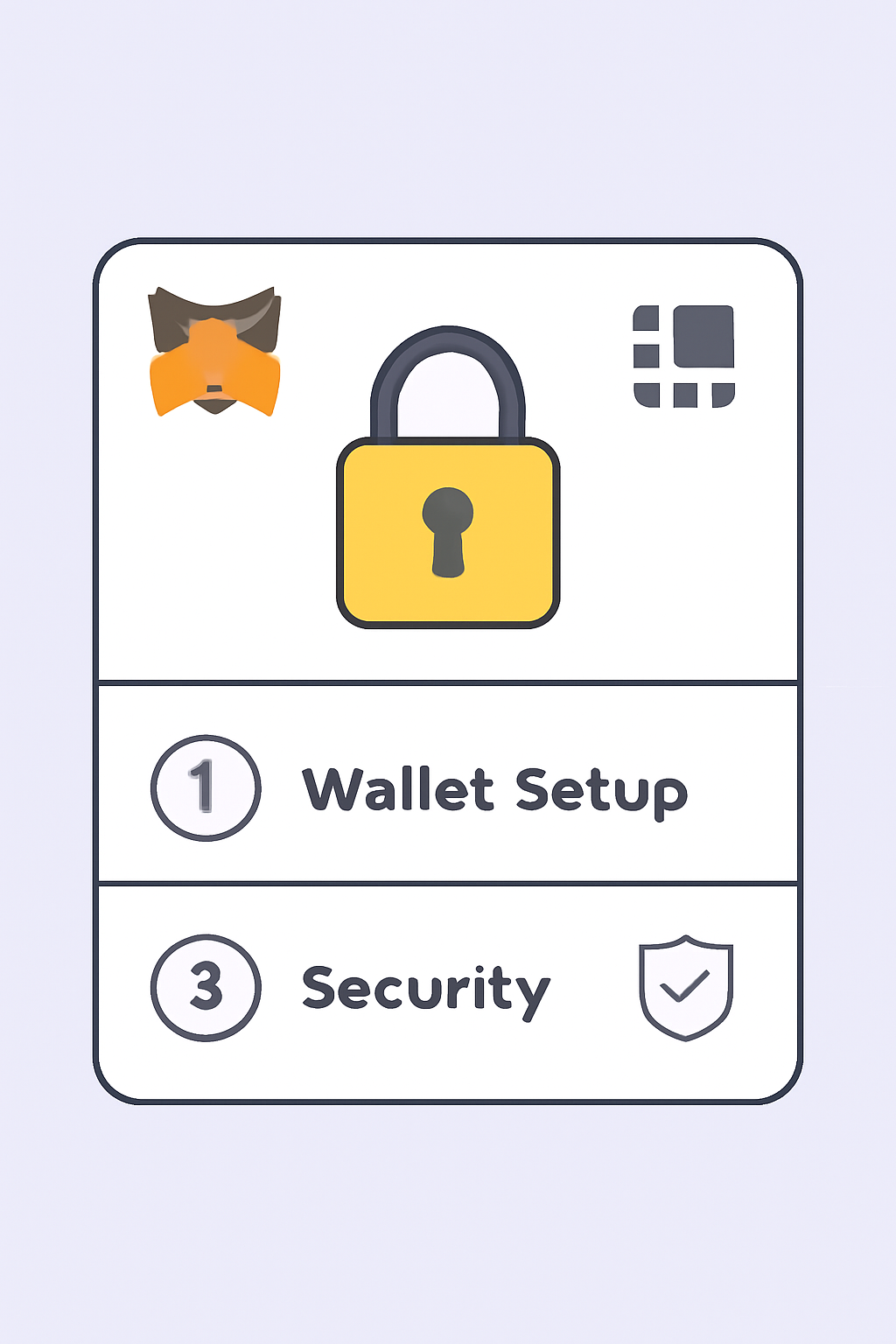
2. Set Up a Secure Crypto Wallet Compatible with Your Chosen Platform
You’ll need a wallet that supports direct interaction with decentralized protocols. Popular options include MetaMask, which offers browser extensions and mobile apps for easy access; or hardware wallets like Ledger, which provide enhanced security by keeping your private keys offline.
Avoid skipping this step, your wallet is your gateway to buying and managing on-chain ETF units safely. Double-check compatibility with your chosen platform before proceeding.
3. Complete KYC/AML Verification if Required by the Platform
The regulatory landscape has matured significantly in 2025. Many reputable platforms now require Know Your Customer (KYC) and Anti-Money Laundering (AML) verification before allowing investments in their ETF products. Expect to provide basic identification documents, this helps ensure compliance while protecting all participants from illicit activity.
If privacy is paramount for you, research which platforms allow non-custodial or pseudonymous participation, but be aware that full-featured ETF access usually requires at least some level of verification today.
4. Deposit Supported Crypto Assets to Fund Your Investment
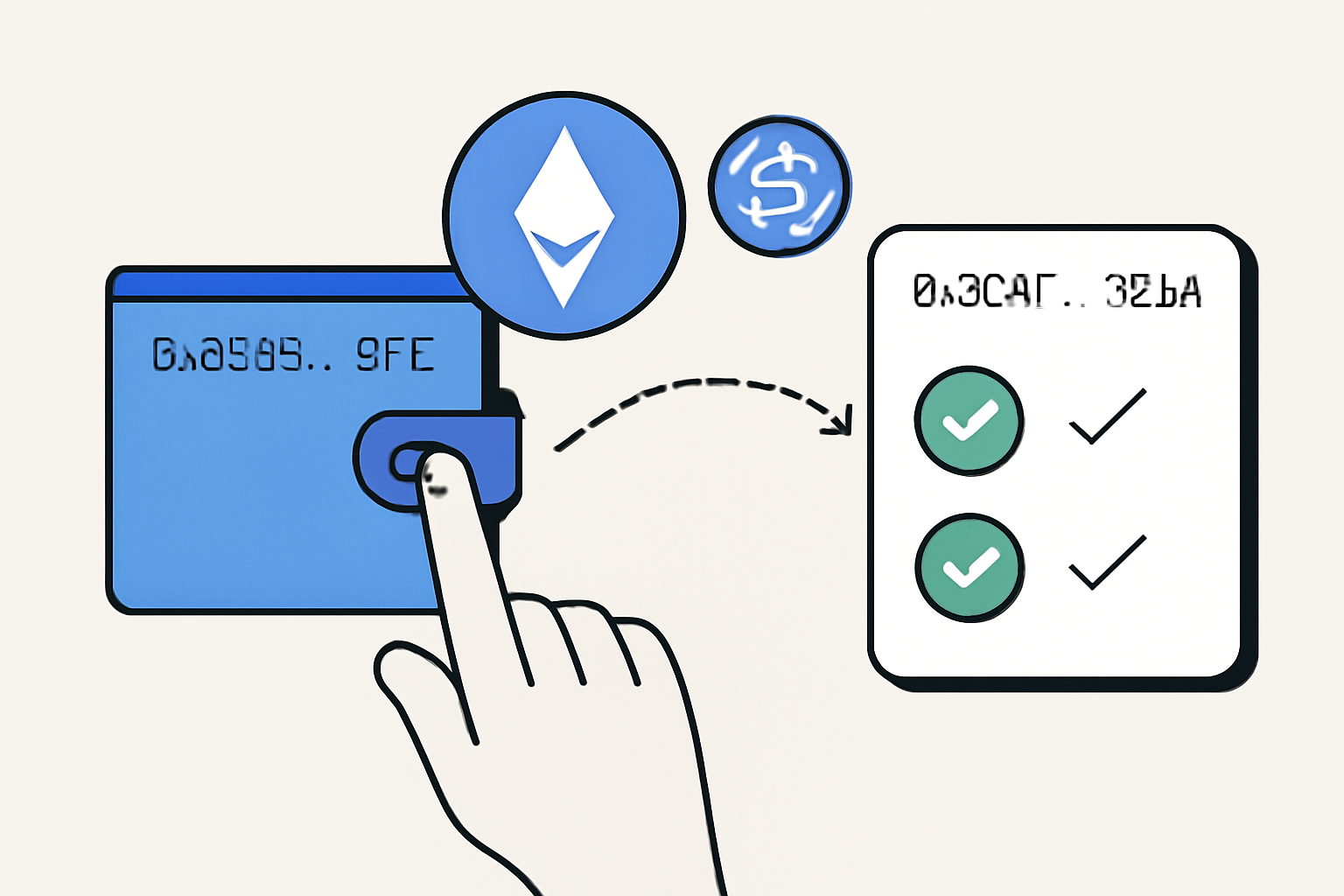
Once your wallet is ready and verification is complete, it’s time to fund your account. Most on-chain ETF platforms accept popular cryptocurrencies such as ETH or USDC. Simply transfer your chosen asset from your personal wallet (or an exchange) to the deposit address provided by the ETF platform.
Double-check the network (e. g. , Ethereum mainnet) and only send supported tokens to avoid any hiccups or lost funds. Many platforms also provide clear prompts and confirmations, but always verify addresses and transaction details before hitting send.
5. Select and Purchase On-Chain ETF Units, Then Monitor Performance and Manage Risk
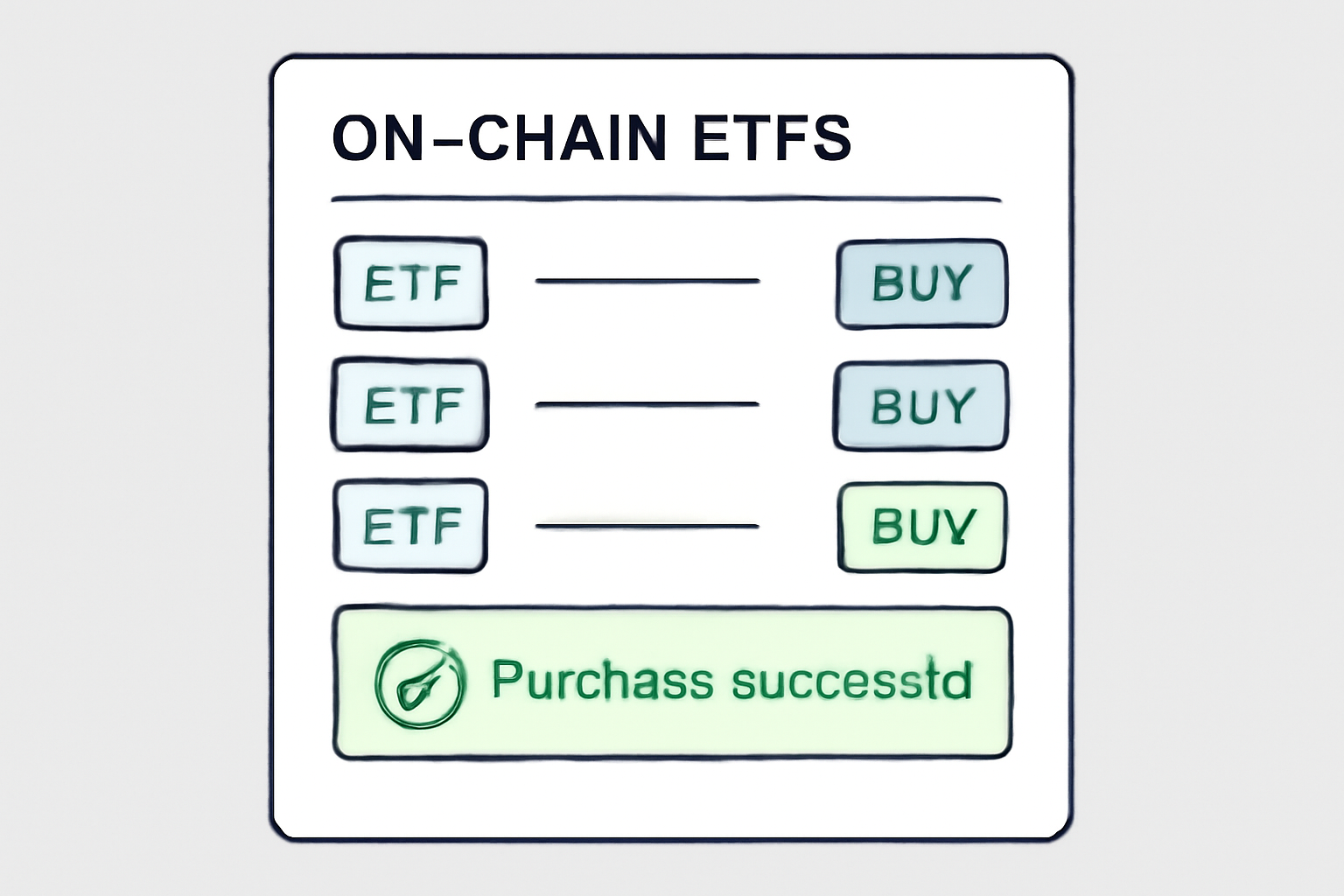
With funds deposited, you’re ready for the most exciting step: purchasing units of your selected on-chain crypto ETF. Navigate to the investment dashboard on Ondo Finance, Swell, or Index Coop, select your preferred ETF product, and specify how much you’d like to invest. The platform will guide you through confirming the transaction with your wallet.
After purchase, you’ll receive tokenized ETF units directly in your wallet, these represent your stake in the underlying portfolio. From here, monitoring performance is as simple as checking your wallet or using on-chain analytics tools. Most platforms provide real-time NAV updates and transparent reporting of fund holdings.
Comparison of Ondo Finance, Swell, and Index Coop for On-Chain Crypto ETF Investors (2025)
| Feature | Ondo Finance | Swell | Index Coop |
|---|---|---|---|
| Platform Type | Decentralized Asset Management | Liquid Staking & Index Products | Decentralized Index Protocol |
| Supported Assets | Tokenized US Treasuries, Stablecoins, ETH | ETH, Liquid Staking Tokens, Indexes | ETH, DeFi Tokens, Thematic Indexes |
| On-Chain ETF Offerings | Ondo Short-Term US Treasuries (OUSG), Crypto Indexes | ETH Index, LSD Indexes | DeFi Pulse Index (DPI), Metaverse Index (MVI), ETH Index |
| Wallet Compatibility | MetaMask, Ledger, WalletConnect | MetaMask, Ledger, WalletConnect | MetaMask, Ledger, WalletConnect |
| KYC/AML Required | Yes (for some products, e.g., Treasuries) | No (fully decentralized) | No (fully decentralized) |
| Minimum Investment | $100 (for OUSG) | No strict minimum | No strict minimum |
| Fees (Expense Ratio) | 0.15%–0.30% (varies by product) | ~0.25% (index products) | 0.25%–0.95% (varies by index) |
| Regulatory Status | SEC-compliant for tokenized securities | Decentralized, not SEC-registered | Decentralized, not SEC-registered |
| Unique Features | Access to real-world assets (RWA) like US Treasuries | Innovative staking and yield strategies | Diverse crypto sector indexes, governance tokens |
| Best For | Investors seeking RWA exposure and compliance | ETH and staking-focused investors | Broad crypto index exposure |
Tips for Active Management and Ongoing Security
On-chain ETFs aren’t set-and-forget investments. Crypto markets move quickly, staying informed gives you an edge. Consider these best practices:
- Diversify: Don’t put all your assets into a single product or platform.
- Review Fees: Revisit expense ratios periodically; new products may offer better value over time.
- Stay Secure: Regularly update wallet software/firmware and use hardware wallets for large holdings.
- Monitor Platform News: Follow official channels for updates on smart contract upgrades or protocol changes that could affect your investment.
The Future of Decentralized ETF Investing
The landscape for decentralized ETF investing continues to evolve at breakneck speed. Platforms like Ondo Finance, Swell, and Index Coop are pushing boundaries with innovative structures that blend DeFi transparency with regulated fund management practices. As regulatory clarity increases globally, and mainstream adoption grows, on-chain ETFs are poised to become a core building block of crypto portfolios.
If you want a deeper dive into how these products stack up against traditional ETFs (and what makes them unique), check out our comprehensive breakdown here: On-Chain ETFs vs Traditional ETFs: Key Differences for Modern Crypto Investors.
The bottom line? With robust platforms, secure wallets, compliance controls, and transparent blockchain mechanics now standard in 2025’s top offerings, it’s never been easier, or safer, to invest in on-chain crypto ETFs as part of a forward-thinking digital asset strategy.



No comments yet. Be the first to share your thoughts!