
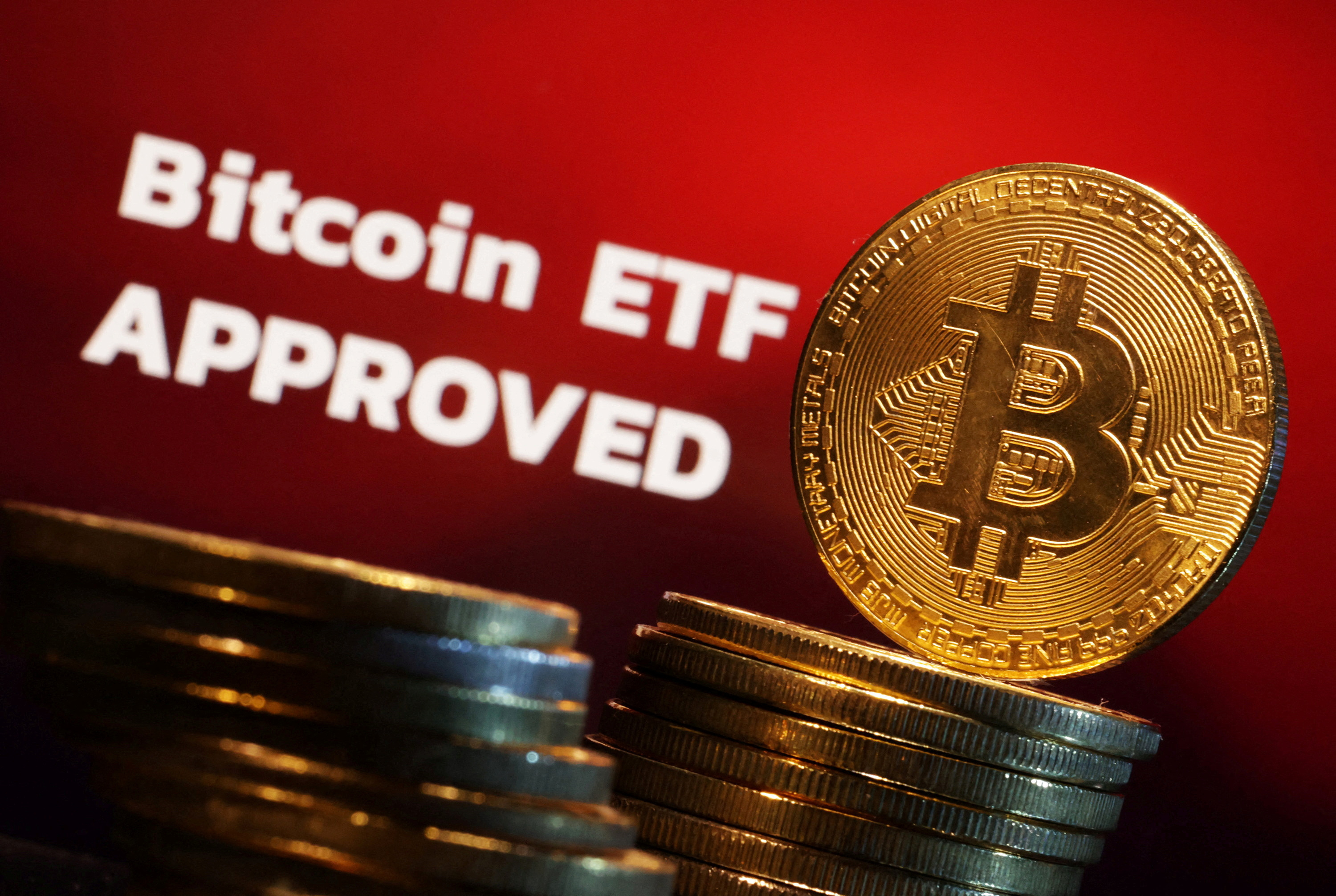
The landscape for Bitcoin ETFs has shifted dramatically since July 2025, when the U. S. Securities and Exchange Commission (SEC) approved in-kind creation and redemption for all spot Bitcoin and Ethereum ETFs. This policy change allows authorized participants to exchange ETF shares directly for the underlying crypto assets, bypassing the traditional requirement to settle in cash. For crypto investors, this isn’t just regulatory trivia - it’s a development with real impact on costs, liquidity, tax efficiency, and risk exposure.
Bitcoin Holds Firm Above $100,000: What In-Kind Redemptions Mean at $109,443
As of September 25,2025, Bitcoin (BTC) is trading at $109,443, down 3.53% over the past 24 hours. This price level is critical for ETF investors because it underscores both the scale of institutional flows and the operational complexity of handling large on-chain transactions. The move to in-kind redemptions comes at a time when every basis point counts - especially with Bitcoin’s volatility and transaction fees remaining a constant concern.
How In-Kind Redemption Works: A Pragmatic Overview
Previously, spot Bitcoin ETFs operated under a cash-only settlement model. When an investor wanted to redeem ETF shares, issuers had to liquidate crypto holdings into cash - incurring trading fees and slippage along the way. Now, with in-kind redemption, authorized participants can deliver or receive actual Bitcoin or Ethereum instead of cash equivalents.
This process isn’t just a back-office tweak; it fundamentally changes how ETFs interact with underlying markets:
- Reduced Transaction Costs: No forced selling or buying means lower trading fees and tighter spreads.
- Tax Efficiency: Direct asset transfers can help defer taxable events - a key advantage for high-net-worth and institutional players.
- Improved Tracking: Fewer conversions mean ETF share prices can more closely mirror spot market values.
The SEC’s own guidance highlights these efficiency gains (SEC.gov). For investors used to traditional commodity ETFs like gold or oil - where in-kind processes are standard - this brings crypto products into line with established best practices.
The Impact on Crypto ETF Liquidity and Arbitrage
The shift to in-kind redemption is particularly relevant for arbitrageurs and liquidity providers. Under the old cash model, inefficiencies created gaps between ETF prices and their net asset values (NAVs), which could persist due to settlement delays and conversion frictions. Now authorized participants can swap ETF shares directly for Bitcoin or Ethereum at scale - tightening those spreads significantly.
This not only improves price discovery but also makes it riskier to bet against NAV convergence. With fewer barriers between primary (creation/redemption) and secondary (trading) markets, arbitrage strategies become more efficient but also more competitive. Investors should expect tighter spreads but less room for easy profits from inefficiencies.
Bitcoin Price Prediction 2026-2031 After SEC In-Kind ETF Approval
Professional BTC price forecasts reflecting institutional ETF flows, adoption, and evolving market dynamics post-SEC in-kind redemption greenlight.
| Year | Minimum Price | Average Price | Maximum Price | % Change (Avg, YoY) | Scenario Insights |
|---|---|---|---|---|---|
| 2026 | $88,000 | $115,000 | $142,000 | +5% | Potential post-halving retrace; ETF inflows moderate drawdown. |
| 2027 | $97,000 | $128,000 | $165,000 | +11% | ETF adoption grows; institutions accumulate on dips. |
| 2028 | $110,000 | $146,000 | $192,000 | +14% | Next halving cycle approaches; supply squeeze anticipated. |
| 2029 | $128,000 | $172,000 | $225,000 | +18% | Bullish cycle peaks; major institutions hold BTC as reserve. |
| 2030 | $138,000 | $190,000 | $260,000 | +10% | Market matures; regulatory clarity encourages new entrants. |
| 2031 | $150,000 | $210,000 | $295,000 | +11% | Mass adoption; BTC viewed as digital gold by mainstream investors. |
Price Prediction Summary
Bitcoin is projected to experience steady long-term growth from 2026 to 2031, underpinned by increased institutional adoption and operational efficiencies brought by in-kind ETF redemptions. While short-term volatility and cyclical drawdowns remain possible, the structural tailwinds from ETF inflows, broader adoption, and maturing regulatory frameworks suggest a positive trajectory. The average BTC price is forecasted to rise from $115,000 in 2026 to $210,000 by 2031, with potential for higher peaks in bullish scenarios and solid resilience in bearish conditions.
Key Factors Affecting Bitcoin Price
- SEC’s in-kind ETF redemption approval lowering costs and boosting institutional participation.
- Impact of Bitcoin halving cycles on supply dynamics.
- Global regulatory developments and clarity around crypto assets.
- Technological improvements (e.g., scalability, security) and new use cases.
- Macroeconomic conditions (e.g., inflation, monetary policy).
- Competition from other digital assets and evolving investment products.
- Market sentiment and adoption trends among retail and institutional investors.
Disclaimer: Cryptocurrency price predictions are speculative and based on current market analysis. Actual prices may vary significantly due to market volatility, regulatory changes, and other factors. Always do your own research before making investment decisions.
Spot Bitcoin ETF Settlement: Why It Matters Now
The operational efficiencies unlocked by in-kind redemptions are magnified when you consider today’s market scale. At $109,443 per BTC, even small percentage savings translate into substantial dollar amounts per transaction. For institutions moving tens or hundreds of coins per day through ETFs, this is no longer theoretical - it’s a material improvement that goes straight to the bottom line.
However, with greater efficiency comes new operational and compliance risks. Handling large on-chain settlements at these price levels means robust custody, audit trails, and counterparty checks are non-negotiable. Any slip in private key management or reconciliation can result in losses that dwarf the basis points saved on fees. ETF issuers and authorized participants must now operate with the rigor of a major crypto exchange, not just a traditional fund desk.
Risk Management for On-Chain ETF Settlement
Investors should be aware that while in-kind redemptions reduce some frictions, they also shift operational risk from fiat rails to direct blockchain settlement. This means exposure to network congestion, transaction fee spikes, or even protocol-level bugs. For example, if Bitcoin’s mempool becomes congested during peak hours, which is common when BTC hovers above $100,000, ETF redemptions could be delayed or incur higher miner fees than anticipated.
Another consideration is regulatory clarity. The SEC’s green light for in-kind redemptions is a milestone but doesn’t eliminate all uncertainties around reporting requirements or anti-money laundering controls when moving assets on-chain. Investors should demand transparency from issuers about how they handle these risks and what contingency plans are in place if something goes wrong during an in-kind transfer.
ETF Arbitrage Crypto: A New Playing Field
The arbitrage landscape has shifted decisively. Tighter spreads mean that only the most sophisticated players, those with direct access to both ETF shares and underlying spot markets, will consistently profit. Retail investors should not expect easy gains by mimicking institutional arbitrage strategies; instead, focus on the benefits of improved liquidity and tracking error reduction that come as a byproduct of this new system.
Key Pros and Risks of In-Kind Redemption Bitcoin ETFs
- Lower Transaction Costs: In-kind redemptions let authorized participants exchange ETF shares for actual Bitcoin instead of cash, eliminating conversion fees and reducing market slippage. This efficiency is especially valuable given Bitcoin's current price of $109,443 and volatile trading ranges.

- Enhanced Tax Efficiency: Direct asset transfers through in-kind redemptions can help investors defer taxable events, offering more control over capital gains compared to cash-based redemptions.

- Improved Market Liquidity & Tracking: By streamlining the creation and redemption process, in-kind mechanisms help ETFs more closely track Bitcoin's market price, minimizing discrepancies and supporting tighter bid-ask spreads.
- Greater Institutional Participation: The SEC's approval of in-kind redemptions aligns crypto ETFs with traditional commodity funds, encouraging more institutional investors to enter the Bitcoin market and increasing overall market legitimacy.
- Operational Complexity & Security Risks: Handling large-scale in-kind redemptions requires secure custody solutions and robust operational controls. Poor execution or inadequate security can expose investors to hacking, fraud, or loss of assets.

- Regulatory and Compliance Uncertainty: While the SEC has approved in-kind redemptions, evolving regulations or inconsistent global standards could introduce new risks or restrictions for ETF issuers and investors.
It’s also worth noting that as spot Bitcoin ETF settlement becomes more efficient, competition among issuers will likely intensify around expense ratios and service quality rather than just trading mechanics. In this environment, due diligence matters more than ever, assess not just the headline fee but also how each provider manages custody risk and handles redemptions under stress.
Looking Ahead: What Crypto Investors Should Watch Next
The SEC’s decision to allow in-kind creations and redemptions has removed a significant barrier to institutional participation (etf.com). Expect further innovation around on-chain ETF products as providers seek to differentiate with staking features or multi-asset baskets once regulatory clarity emerges.
For now, with Bitcoin holding firm at $109,443, the move to in-kind redemption marks a new chapter for crypto ETFs, one defined by cost savings and operational sophistication but requiring vigilance around emerging risks. As always: plan your trades, protect your capital.



No comments yet. Be the first to share your thoughts!