Crypto ETF landscape for 2026
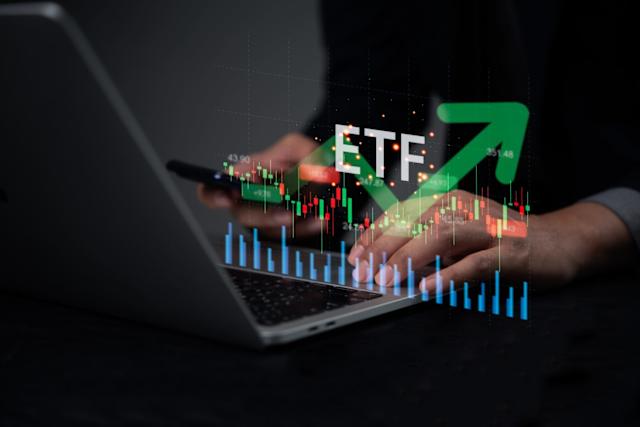
The crypto ETF market has shifted from a Bitcoin monopoly to a diversified altcoin ecosystem. In 2026, investors are no longer limited to the two dominant titans, iShares Bitcoin Trust ETF and Fidelity Wise Origin Bitcoin Fund. While these products remain foundational, the market is now defined by a selective demand for Ethereum, Solana, and XRP funds.
Regulatory Shift: The 2026 landscape allows for broader altcoin exposure, moving beyond the initial Bitcoin-only approval. This shift has enabled a more nuanced market where Ether and emerging altcoin funds compete for capital.
The demand for crypto ETFs is becoming more selective. Bitcoin continues to dominate the asset class, but Ether and altcoin funds are facing a tougher, more competitive environment. This environment rewards funds with clear utility and regulatory clarity over speculative narratives.
As the market matures, the focus is shifting from mere entry into the asset class to strategic allocation across different digital assets. Investors are looking for specific exposure to networks like Solana and XRP, which offer distinct use cases compared to Bitcoin and Ethereum. This diversification is reshaping how traditional finance views digital asset exposure.
5 Crypto ETFs to Watch in 2026: Solana, XRP, and Ethereum ETFs Lead the Charge
The 2026 crypto ETF landscape is defined by the institutional adoption of Solana, XRP, and Ethereum. These five funds offer direct exposure to the leading digital assets, balancing regulatory clarity with high-growth potential.
1. BlackRock Ethereum ETF
BlackRock’s iShares Ethereum Trust combines institutional credibility with direct Ethereum exposure. This fund tracks the spot price of ETH, offering a regulated pathway for traditional investors. The sheer scale of assets under management provides liquidity and stability, making it a cornerstone holding for those seeking major crypto market participation without direct custody risks.

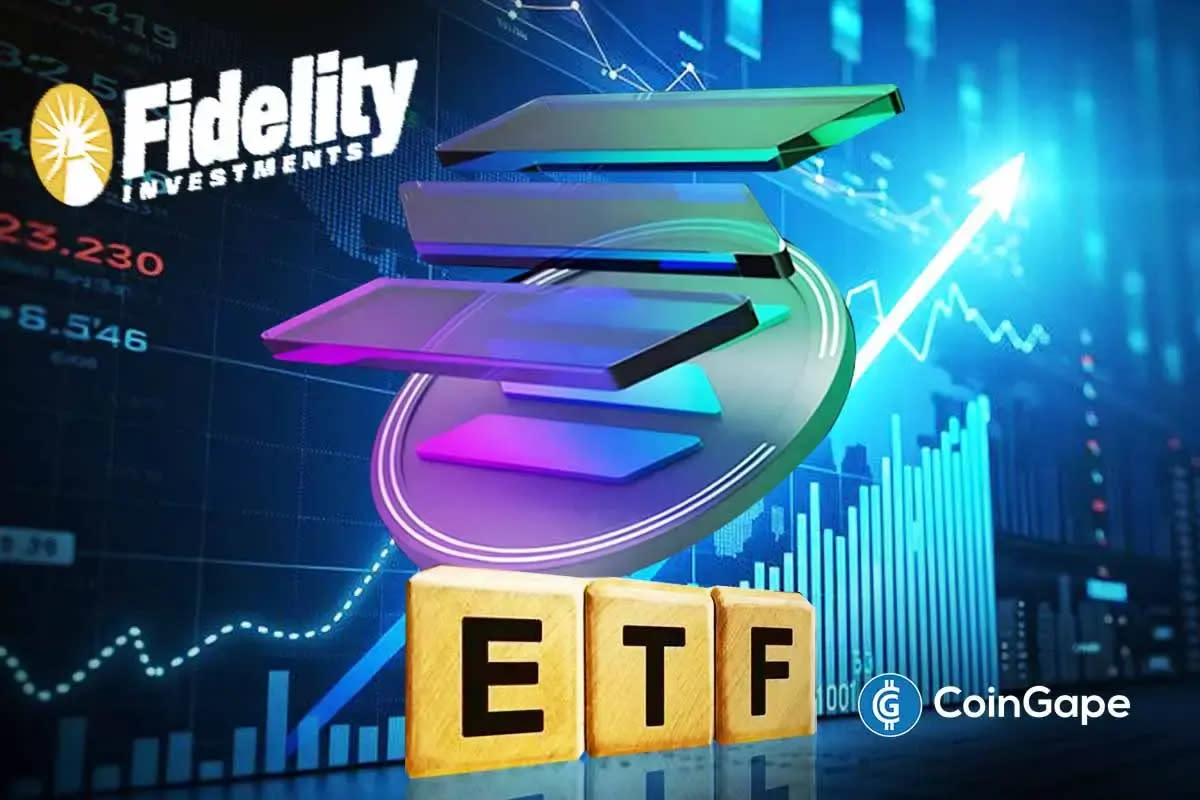
2. Fidelity Solana ETF
Fidelity’s entry into the Solana space brings unparalleled trust to a high-performance blockchain. This ETF allows investors to gain exposure to SOL’s rapid transaction speeds and growing DeFi ecosystem. By leveraging Fidelity’s robust compliance infrastructure, the fund mitigates many risks associated with direct asset holding, appealing to conservative growth seekers.
3. Bitwise XRP ETF
Bitwise’s XRP ETF targets the utility-driven payments network led by Ripple. This fund offers a streamlined way to bet on cross-border transaction efficiency and regulatory clarity. With XRP’s established presence in financial institutions, this ETF serves as a strategic hedge against traditional banking delays, providing direct market access through a familiar brokerage account.

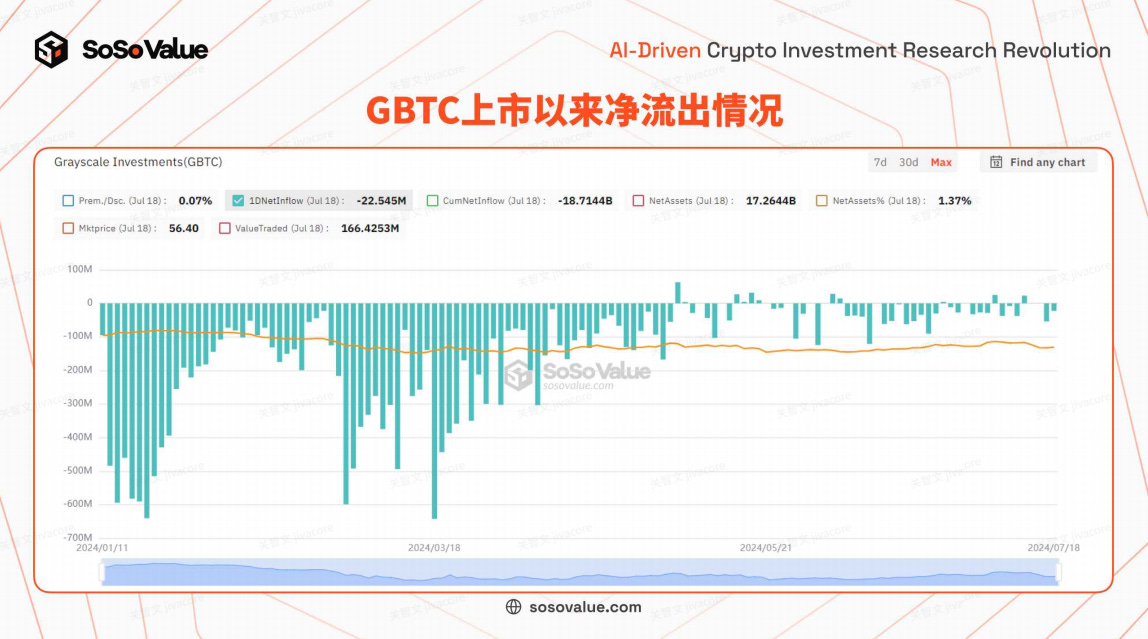
4. Grayscale Ethereum Mini Trust
The Grayscale Ethereum Mini Trust offers a cost-effective alternative to traditional ETFs for Ethereum exposure. Designed for smaller investors, it minimizes expense ratios while maintaining direct backing in ETH. This vehicle is ideal for those wanting to accumulate Ethereum gradually without the complexity of managing private keys or navigating decentralized exchanges directly.
5. Invesco Ethereum ETF
Invesco’s Ethereum ETF brings rigorous quantitative analysis to digital asset investing. This fund emphasizes transparency and operational efficiency, catering to investors who prioritize data-driven decision-making. By partnering with established custodians, Invesco ensures secure storage while providing a straightforward investment vehicle for those looking to diversify portfolios with significant Ethereum allocation.

Bitcoin ETFs remain the foundation
Bitcoin exchange-traded funds (ETFs) continue to anchor crypto portfolios in 2026. While new tokens capture headlines, Bitcoin ETFs dominate the market with the deepest liquidity and the lowest fees. For most investors, these two giants—iShares Bitcoin Trust (IBIT) and Fidelity Wise Origin Bitcoin Fund (FBTC)—offer the most reliable entry point.
The competition between BlackRock’s IBIT and Fidelity’s FBTC has driven costs down to zero for many retail investors. Both funds now charge no management fees, a significant shift from the early days of crypto ETFs. This fee war has made Bitcoin ETFs highly competitive, with investors choosing between them based on platform integration and trading volume rather than cost.
Liquidity remains the primary differentiator. IBIT generally leads in daily trading volume, making it easier to enter and exit large positions with minimal slippage. FBTC follows closely, benefiting from Fidelity’s extensive existing client base. The choice between the two often comes down to which brokerage platform offers the smoothest user experience.
The table below compares the key metrics for these two leading Bitcoin ETFs.
| Metric | iShares Bitcoin Trust (IBIT) | Fidelity Wise Origin (FBTC) |
|---|---|---|
| Expense Ratio | 0% | 0% |
| Issuer | BlackRock | Fidelity |
| Primary Exchange | NYSE Arca | NASDAQ |
| Liquidity Profile | Highest Volume | High Volume |
For investors seeking exposure to Bitcoin without the complexity of self-custody, these ETFs provide a regulated, familiar wrapper. The zero-fee environment means you pay nothing to hold the asset, though standard trading commissions may still apply depending on your broker. As the market matures, Bitcoin ETFs are likely to remain the core holding for crypto investors in 2026.
How to choose the right crypto ETF
Selecting a crypto ETF requires balancing three variables: the underlying asset, the fee structure, and your personal risk tolerance. Unlike buying Bitcoin directly on an exchange, an ETF bundles exposure through a regulated fund, meaning you must evaluate the fund's specific mechanics rather than just the coin's price action.
Match the asset to your conviction
Not all crypto ETFs track the same coins. Bitcoin and Ethereum funds offer the broadest market exposure with the highest liquidity, while Solana and XRP ETFs provide targeted bets on specific ecosystems. If you believe in the long-term utility of a specific blockchain, a single-asset ETF is appropriate. If you prefer diversified crypto exposure, look for funds that track broader indices, though these are less common in the current market.
Compare expense ratios carefully
Fees compound over time and can significantly erode returns. Crypto ETFs typically carry higher expense ratios than traditional stock ETFs due to custody and security costs. For example, a 0.50% fee sounds small but costs $50 annually on a $10,000 investment. Compare the total expense ratio across providers like BlackRock, Fidelity, or Grayscale. Lower fees do not always mean better performance, but they do guarantee lower drag on your capital.
Align with your risk profile
Crypto assets are volatile. An ETF does not eliminate this risk; it merely changes how you hold the asset. If you are conservative, stick to Bitcoin ETFs, which have the longest track records and deepest liquidity. If you are aggressive, you might allocate a smaller portion to newer ETFs like Solana or XRP, understanding that these assets can experience sharper drawdowns. Never invest more than you can afford to see fluctuate by 20-30% in a single month.


As an Amazon Associate, we may earn from qualifying purchases.
Frequently asked questions about crypto ETFs
Which crypto ETFs are leading in 2026? Bitcoin and Ethereum funds remain the primary drivers of the sector. The iShares Bitcoin Trust ETF and Fidelity Wise Origin Bitcoin Fund are the titans of the Bitcoin ETF space, maintaining dominant market share. Meanwhile, demand for other crypto ETFs is becoming more selective, with Ether and altcoin funds facing a tougher environment compared to the established leaders.
What is the difference between a crypto ETF and a crypto trust? Crypto ETFs trade like standard stocks on major exchanges but are structured differently than Bitcoin trusts. Trusts, such as the Grayscale Bitcoin Trust, often allow for direct crypto backing with different fee structures and redemption mechanisms. ETFs typically offer greater liquidity and tighter tracking of the underlying asset's price for retail investors.
How do I choose the best crypto ETF to buy? Focus on low expense ratios and high trading volume. The most successful funds usually track the spot price of the asset rather than futures contracts. Compare the management fees across providers like BlackRock, Fidelity, and VanEck to find the most cost-effective way to gain exposure to Solana, XRP, or Ethereum.
No comments yet. Be the first to share your thoughts!