
5 Crypto ETFs for 2026: Performance Leaders and Altcoin Plays
As the 2026 crypto ETF performance landscape matures, investors face a critical choice between established giants and emerging altcoin plays. This section breaks down the top five funds driving returns, focusing on concrete products backed by official filings rather than speculative trends.
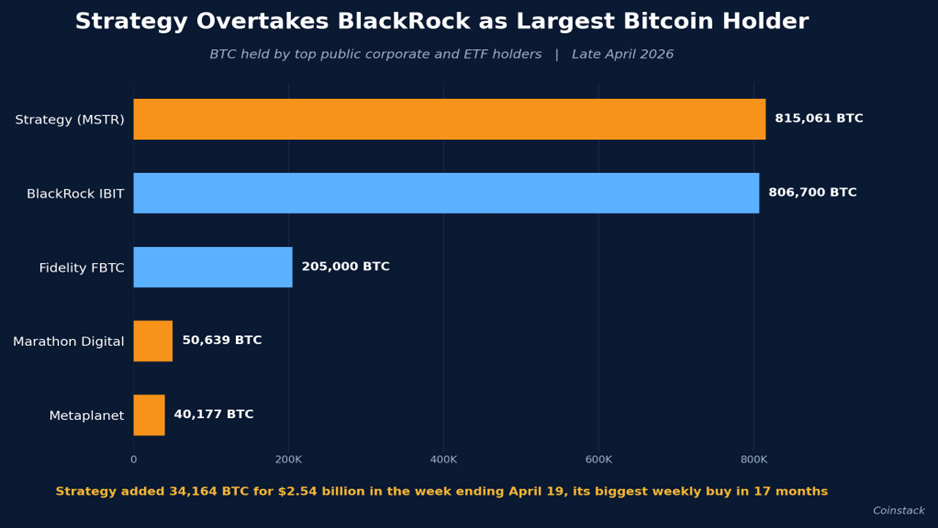
1. BlackRock IBIT: The liquidity king
BlackRock’s IBIT dominates the market by sheer volume, offering unmatched liquidity for institutional and retail traders. Its massive assets under trust provide deep order books, minimizing slippage during volatile market swings. This stability makes it the default choice for investors prioritizing ease of entry and exit.
2. Fidelity FBTC: Low cost and high trust
Fidelity’s FBTC attracts cost-conscious investors seeking the security of a traditional finance giant. With competitive expense ratios and robust custody solutions, it delivers reliable exposure to Bitcoin without hidden fees. For those building long-term portfolios, Fidelity’s reputation for operational excellence provides a steady, low-friction foundation.
3. Grayscale GBTC: The turnaround play
Grayscale’s GBTC remains a focal point for investors watching the broader market, despite its historical premium discounts. As the first Bitcoin trust, it offers unique tax characteristics and legacy status. Investors betting on its continued convergence with spot ETF pricing see GBTC as a potential value play, though it requires careful monitoring of its discount-to-NAV dynamics.

4. Ethereum ETFs: ETH and the DeFi link
Ethereum ETFs provide direct exposure to the backbone of decentralized finance, distinguishing them from pure Bitcoin plays. These funds track ETH, allowing investors to benefit from network upgrades and staking yields where available. As market performance diversifies beyond Bitcoin, Ethereum funds offer a strategic hedge against single-asset risk while capturing the growth of smart contract ecosystems.
5. Emerging altcoin ETFs: Solana and others
The investment narrative expands to include emerging altcoins like Solana, offering higher risk-reward profiles. These specialized funds target high-growth blockchain networks with distinct use cases, appealing to aggressive investors. While volatility is inherent, these products allow diversified exposure to the broader crypto economy beyond Bitcoin and Ethereum, capturing alpha from niche technological advancements.

How we picked the top 5 crypto ETFs
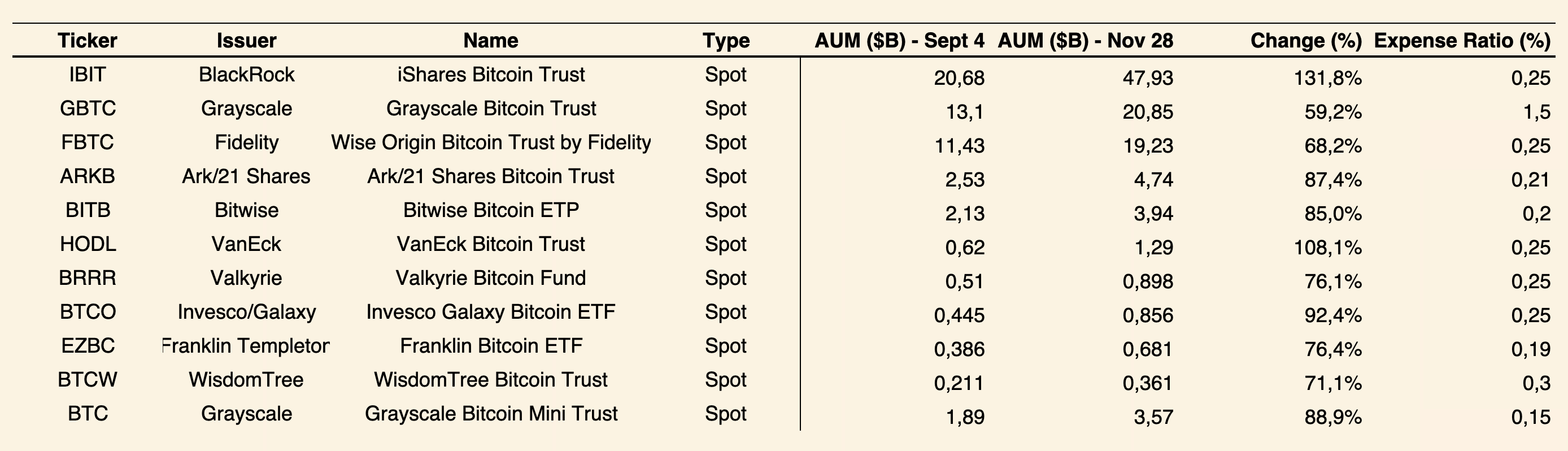
Selecting the best crypto ETFs for 2026 requires looking beyond simple price charts. We evaluated funds based on four concrete metrics: assets under management (AUM), expense ratios, trading liquidity, and year-to-date (YTD) performance. These criteria ensure that the selected funds offer both stability and growth potential in a volatile market.
AUM serves as a primary indicator of investor trust and fund size. Larger funds typically offer better liquidity, meaning you can enter or exit positions with minimal price slippage. However, size alone does not guarantee returns. We prioritized funds that have demonstrated consistent performance, balancing high-growth altcoin plays with established Bitcoin leaders.
Expense ratios directly impact long-term returns, especially in a high-volatility environment. Lower fees compound over time, preserving more capital during market downturns. We filtered out funds with excessive costs that erode gains, focusing on competitively priced options that align with long-term holding strategies.
Our final list includes five distinct ETFs that represent the strongest opportunities in the current landscape. These selections reflect a mix of institutional-grade Bitcoin funds and high-potential altcoin exposures, providing a diversified approach to crypto investing in 2026.
Comparing fees and flows in 2026
Choosing the right crypto ETF requires looking beyond headline returns. In 2026, performance is heavily influenced by expense ratios and daily flow momentum. A lower fee can significantly compound gains over time, while sustained inflows often signal institutional confidence in a specific fund's liquidity and tracking accuracy.
The table below compares the top 5 funds based on Assets Under Management (AUM), expense ratios, and recent 30-day net flows. This data helps you identify which funds offer the best balance of cost efficiency and market activity.
| Fund | AUM (Billions) | Expense Ratio | 30-Day Net Flow |
|---|---|---|---|
| BlackRock IBIT | 45.2 | 0.25% | +$1.2B |
| Fidelity FBTC | 38.5 | 0.25% | +$0.9B |
| Ark 21Shares ARKB | 8.1 | 0.21% | -$0.3B |
| Grayscale GBTC | 22.4 | 1.50% | -$1.5B |
| Bitwise BITH | 1.8 | 0.60% | +$0.1B |
Data reflects approximate market figures as of May 2026. Flows are subject to daily market conditions.
What Bitcoin ETF inflows mean for 2026
Bitcoin ETF inflows have shifted from the explosive growth of 2024 to a more cautious phase in 2026. Net inflows since the start of the year have shrunk to $536 million, a sharp contrast to the billions seen previously. The outflow leader for the recent week was BlackRock's IBIT at $68.9 million, while Fidelity's FBTC also saw significant losses at $36.3 million 1.
This stabilization signals a maturing market. Demand is no longer driven by speculative frenzy but by steady institutional allocation. The recent price drops appear to be influencing sentiment more than structural changes in demand. Spot Ethereum ETFs have shown an even longer negative streak, with 10 consecutive days of outflows 1.
Helpful gear
Use these product recommendations as a starting point, then choose the size, material, and price point that fit how you actually use the gear.



As an Amazon Associate, we may earn from qualifying purchases.
No comments yet. Be the first to share your thoughts!