Spot bitcoin etf inflows define 2026
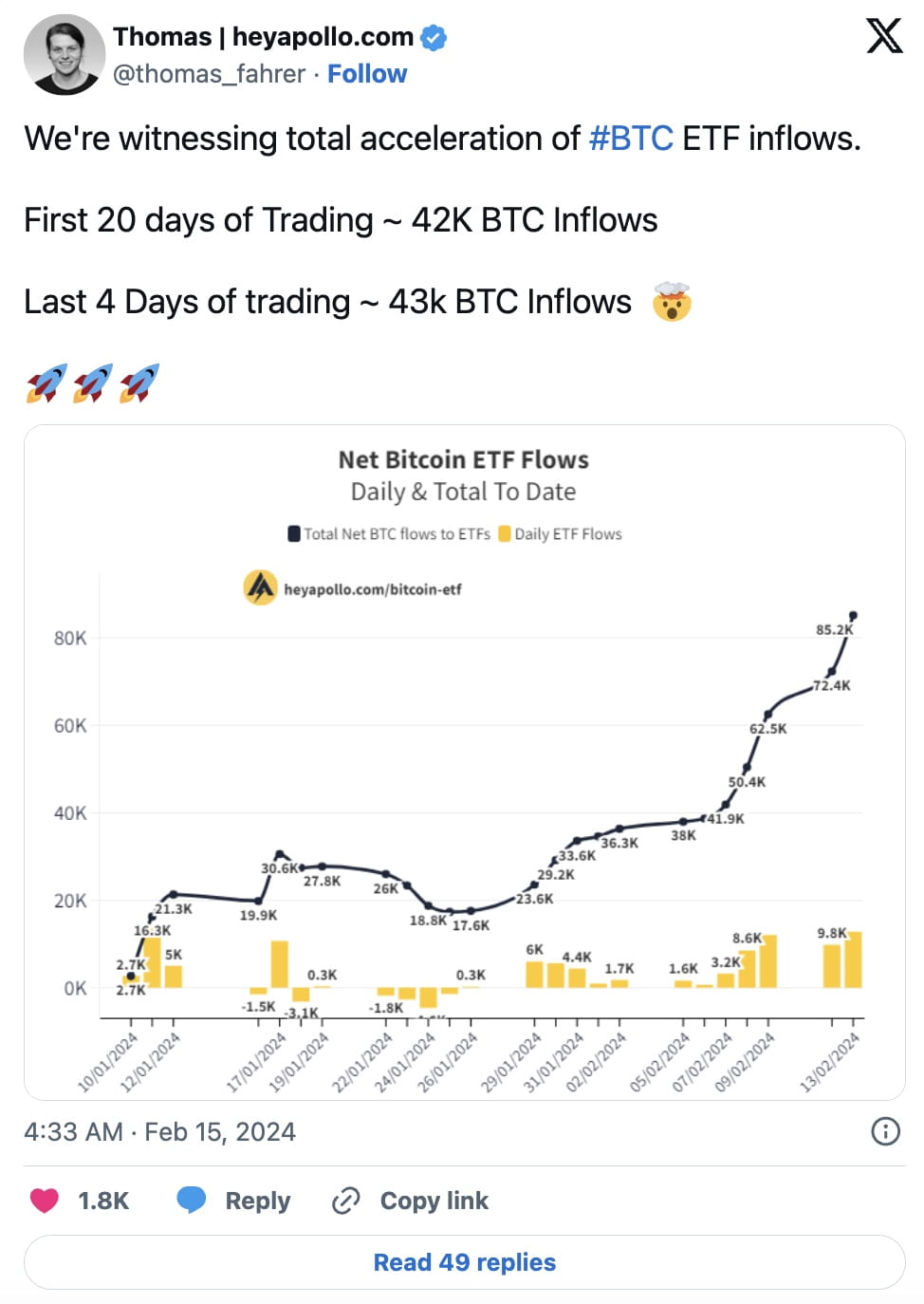
The spot bitcoin etf inflows in 2026 have shifted from speculative curiosity to institutional bedrock. Assets under management across the sector have surpassed $100 billion, a threshold that signals deep market integration. This capital is not distributed evenly; it is concentrated in a duopoly that has effectively rewritten the rules of crypto custody for traditional finance.
BlackRock’s iShares Bitcoin Trust (IBIT) and Fidelity’s Wise Origin Bitcoin Fund (FBTC) are the primary beneficiaries of this trend. While over a dozen spot products now trade on major exchanges, these two funds capture the vast majority of net new capital. Their dominance stems from existing relationships with pension funds, wealth managers, and corporate treasuries who prefer established financial intermediaries over specialized crypto-native platforms.
The scale of these inflows provides a buffer against market volatility that earlier iterations of the industry lacked. When Bitcoin prices dip, the consistent buying pressure from these large-scale funds often stabilizes the asset, creating a feedback loop that attracts more traditional capital. This dynamic has turned spot bitcoin etf inflows into a leading indicator of institutional sentiment, overshadowing the performance of smaller competitors.
BlackRock IBIT vs Fidelity FBTC performance
BlackRock’s iShares Bitcoin Trust (IBIT) and Fidelity’s Wise Origin Bitcoin Fund (FBTC) have established themselves as the dominant forces in the spot Bitcoin ETF market. While dozens of competitors have launched, these two funds consistently capture the majority of net inflows, driven by institutional trust and deep integration with major brokerage platforms. Understanding the specific metrics that separate them helps explain why they are outperforming other market entrants.
Market Share and Asset Growth
The primary differentiator between IBIT and FBTC is their scale. BlackRock launched IBIT in January 2024 and quickly captured a massive share of the market, leveraging its position as the world’s largest asset manager. Fidelity followed closely, utilizing its established retirement account infrastructure to attract steady inflows. As of early 2026, both funds manage tens of billions in assets, dwarfing smaller competitors. This scale creates a network effect: larger funds attract more institutional investors who require deep liquidity and minimal tracking error.
Expense Ratios and Trading Volume
Cost efficiency is critical for long-term holders. Both BlackRock and Fidelity have aggressively lowered their expense ratios to compete for market share. IBIT currently charges 0.25%, while FBTC matches this competitive rate. Beyond fees, trading volume is a key indicator of liquidity. Higher volume means tighter bid-ask spreads, which reduces the implicit cost of trading for investors. IBIT and FBTC consistently lead in daily trading volume, ensuring that large orders can be executed with minimal market impact.
Direct Comparison
The table below summarizes the key performance metrics for the two leading Bitcoin ETFs. These figures highlight why they remain the preferred choice for both retail and institutional investors seeking direct exposure to Bitcoin.
| Metric | IBIT (BlackRock) | FBTC (Fidelity) |
|---|---|---|
| Expense Ratio | 0.25% | 0.25% |
| Primary Exchange | NYSE Arca | NASDAQ |
| Market Position | Largest by AUM | Top 3 by AUM |
| Liquidity | Very High | Very High |
Expense ratios and fee compression trends
The spot Bitcoin ETF market has undergone a brutal price war that has fundamentally reshaped the competitive landscape. What began as a battle for market share has evolved into a race to the bottom on fees, forcing smaller fund providers to either slash their expense ratios to near-zero or exit the market entirely. This consolidation has left BlackRock and Fidelity as the dominant duopoly, holding the vast majority of assets under management.
The race to zero
In the early days of spot Bitcoin ETFs, expense ratios ranged from 25 to 30 basis points. Within months, aggressive competitors like Grayscale, Bitwise, and VanEck slashed their fees to 50 basis points, and then to 25. By 2025, the pressure became unsustainable for mid-tier players. Fidelity and BlackRock, leveraging their massive scale and existing client bases, were able to sustain lower margins while maintaining profitability through trading volume and custody fees.
The result is a market where the "cheap" option is no longer a differentiator but a baseline. Investors now prioritize liquidity, security, and platform integration over marginal fee differences. This shift has accelerated the migration of assets into the largest funds, creating a feedback loop where size begets lower costs, which in turn attracts more size.
Impact on smaller players
For smaller asset managers, the fee compression has been existential. Without the ability to compete on price or the scale to absorb losses, many have struggled to gain traction. Some have pivoted to niche strategies, such as income-generating Bitcoin ETFs, to differentiate themselves. However, the core spot market remains dominated by the top two providers.
This consolidation benefits large investors who value simplicity and reliability. For retail investors, the choice has narrowed significantly, reducing the need to evaluate dozens of funds. The market has effectively decided that scale and stability are more valuable than a few basis points of savings.
Looking ahead
The fee war is likely to continue, but the rate of decline has slowed. As the market matures, competition will shift from price to service quality, innovation, and integration with broader financial products. The dominance of BlackRock and Fidelity suggests that the market is moving toward a stable oligopoly, where a few large players set the standards for the industry.
The trend toward lower fees and higher concentration reflects the maturation of the Bitcoin ETF market. As the asset class becomes more mainstream, the focus shifts from capturing new users to retaining existing ones through superior service and integration. The era of aggressive price cutting may be ending, but the pressure to deliver value remains.
Institutional adoption drives sustained demand
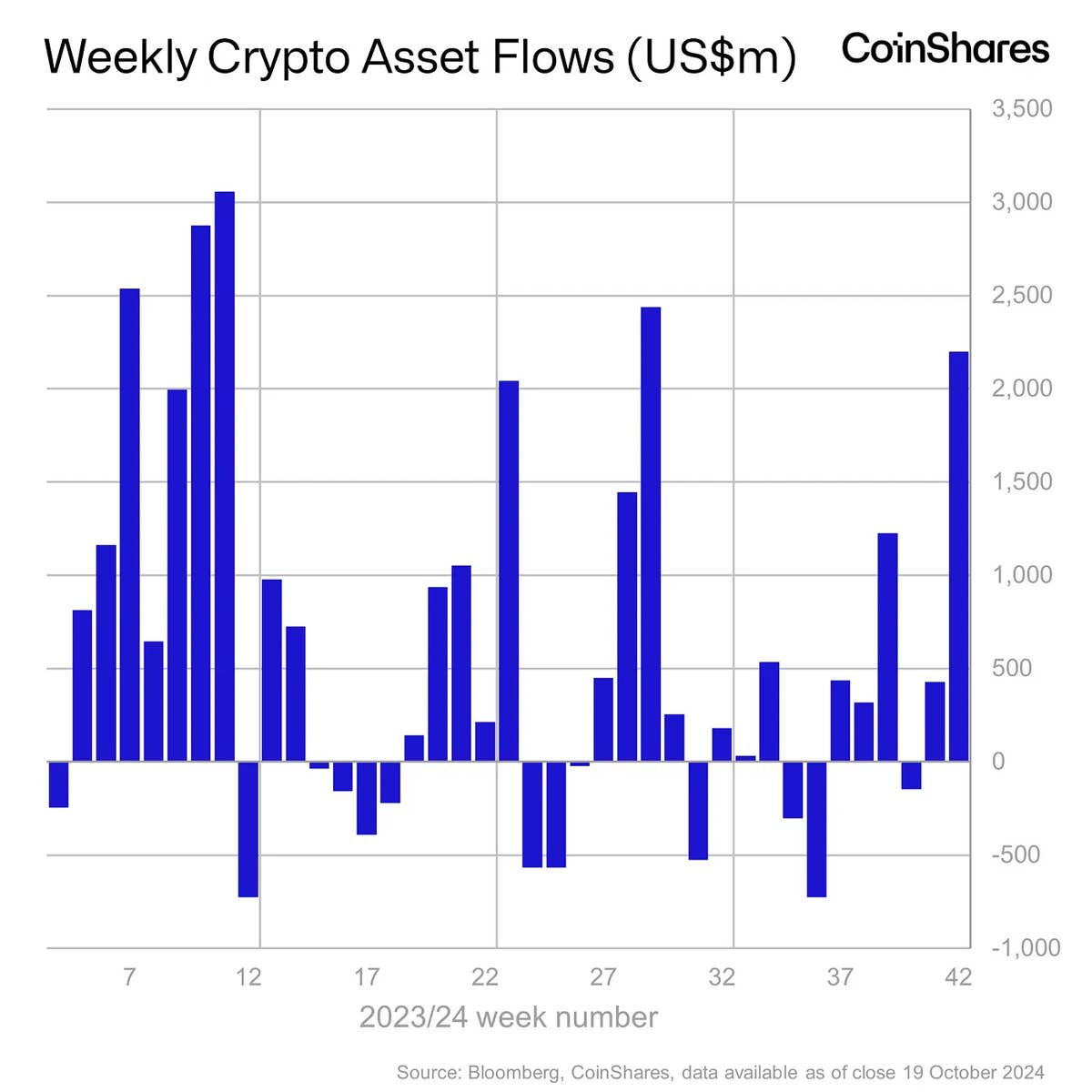
The Bitcoin spot market has shifted from a speculative playground for retail traders to a structured asset class anchored by institutional capital. Pension funds, endowments, and family offices are now the primary drivers of daily inflows, bringing a level of stability that was absent during the initial launch phases. This transition is not merely about volume; it is about the quality of the capital. Institutional money tends to be "sticky," allocated through strategic portfolio rebalancing rather than reactive trading.
This structural shift has fundamentally altered the volatility profile of Bitcoin ETFs. During periods of retail dominance, price action is often driven by social sentiment and short-term leverage, leading to sharp, unpredictable swings. In contrast, institutional inflows are measured and deliberate. When large allocators enter the market, they do so with longer time horizons, effectively absorbing supply and dampening the extreme volatility that characterized earlier market cycles. The result is a smoother equity curve that aligns more closely with traditional risk management frameworks.
The presence of major financial institutions like BlackRock and Fidelity has also legitimized Bitcoin as a standard portfolio component. Their rigorous compliance and custody standards provide a layer of trust that encourages broader institutional participation. As these entities continue to integrate Bitcoin into their offerings, the market becomes less susceptible to the boom-and-bust cycles of the past. The focus has moved from hype to utility, with Bitcoin ETFs serving as a reliable store of value within diversified investment portfolios.
How to choose the right Bitcoin ETF
Selecting the right spot Bitcoin ETF comes down to two practical factors: brokerage availability and fee sensitivity. While BlackRock (IBIT) and Fidelity (FBTC) dominate market share, they are not automatically the best fit for every portfolio.
Start by verifying which ETFs your brokerage offers. Not all platforms carry every provider. If your broker only supports IBIT, you cannot access FBTC or other contenders without opening a new account. This availability constraint often dictates your starting point more than any other factor.
Fees matter most for long-term holds. While spot Bitcoin ETFs generally charge less than 1%, small differences compound significantly over years. Compare the annual expense ratios of IBIT, FBTC, and other available options to ensure you are not overpaying for access to the same underlying asset.
High trading volume usually means tighter bid-ask spreads, which reduces your transaction costs. IBIT and FBTC lead in daily volume, offering better execution for large orders. For smaller accounts, liquidity differences are less critical, but for significant positions, choosing a highly liquid ETF protects your capital from slippage.
| Ticker | Issuer | Expense Ratio |
|---|---|---|
| IBIT | BlackRock | 0.25% |
| FBTC | Fidelity | 0.25% |
| ARKB | ARK/21Shares | 0.21% |
No comments yet. Be the first to share your thoughts!