Bitcoin ETF 2026 market overview
The Bitcoin ETF 2026 landscape is defined by the consolidation of spot Bitcoin exchange-traded funds. In 2026, these products have moved beyond speculative novelty to become the primary vehicle for institutional capital allocation. The market is no longer fragmented across dozens of minor issuers; instead, it is anchored by a few dominant players who control the vast majority of assets under management.
BlackRock’s IBIT remains the undisputed leader, managing over $55 billion in assets. Its dominance is not just in size but in liquidity and operational maturity, setting the standard for the entire sector. Other major issuers like Fidelity have also captured significant market share, creating a competitive environment that drives fee compression and service improvements. This concentration of assets has stabilized the ETF market, reducing the volatility often associated with earlier crypto investment vehicles.
Institutional adoption patterns have shifted noticeably. Pension funds, endowments, and registered investment advisors are now routinely including spot Bitcoin ETFs in their portfolios as a standard diversification tool, rather than a high-risk satellite holding. This shift has been facilitated by the regulatory clarity that emerged in 2025, allowing these institutions to allocate capital with the same compliance frameworks they use for equities.
The performance of these ETFs in 2026 reflects the broader maturation of the crypto asset class. While Bitcoin’s price action remains volatile, the ETF structures themselves have become more robust, with improved custody solutions and transparent reporting mechanisms. This transparency has been crucial in attracting the conservative capital that now drives much of the daily trading volume in these funds.
Top spot Bitcoin ETFs by assets
The Bitcoin ETF market in 2026 has consolidated into a clear hierarchy, with BlackRock and Fidelity commanding the majority of investor capital. While dozens of funds launched in 2024, the top five spot Bitcoin ETFs now hold the vast majority of assets under management (AUM). This concentration reflects investor preference for the lowest fees and highest liquidity, creating a durable moat for the early movers.
BlackRock’s iShares Bitcoin Trust (IBIT) leads the pack, followed closely by Fidelity’s Wise Origin Bitcoin Fund (FBTC). These two funds have effectively become the default choices for institutional and retail investors alike. Their dominance is not just about size; it is about the network effects of trading volume and custodial security. Other funds like Grayscale’s Bitcoin Mini Trust (BTC) and Bitwise’s fund round out the top tier, though they trail significantly in total holdings.
The following comparison table highlights the current standing of the leading Bitcoin ETFs. Data reflects the competitive landscape as of mid-2026, showing the disparity in AUM and the tight clustering of expense ratios among the top contenders.
| Fund | Ticker | AUM (Est.) | Expense Ratio |
|---|---|---|---|
| BlackRock iShares Bitcoin Trust | IBIT | $75B+ | 0.12% |
| Fidelity Wise Origin Bitcoin Fund | FBTC | $35B+ | 0.15% |
| Grayscale Bitcoin Mini Trust | BTC | $18B+ | 0.25% |
| Bitwise Bitcoin ETF | BITB | $5B+ | 0.20% |
| Ark 21Shares Bitcoin ETF | ARKB | $4B+ | 0.21% |
Bitcoin ETF 2026 expense ratios and cost impact
Spot Bitcoin ETFs in 2026 have settled into a tight fee band, with the five leading funds charging between 0.15% and 0.25% annually. While these percentages appear small, they compound significantly over time. A 0.10% difference in expense ratio costs an investor roughly 10 basis points every year, a drag that erodes net returns, especially during periods of flat or modest Bitcoin price action.
The market has demonstrated that the lowest fee does not automatically capture the most capital. BlackRock’s IBIT and Fidelity’s FBTC, both charging 0.25%, dominate in assets under management due to brand trust and seamless integration with major brokerage platforms. Conversely, funds with lower fees, such as the Invesco Galaxy Bitcoin ETF (0.25% as of late August 2026), often trail in popularity despite competitive pricing. This suggests that for many investors, convenience and institutional backing outweigh marginal savings on expense ratios.
However, for long-term holders, fee sensitivity increases. If you plan to hold a Bitcoin ETF for five years or more, the 0.10% spread between the cheapest and most expensive options can amount to a substantial difference in final portfolio value. Investors should weigh their expected holding period against the fund’s other benefits, such as staking yields or custody solutions, to determine the true cost of participation in the Bitcoin ETF 2026 landscape.
| Fund | Ticker | Expense Ratio |
|---|---|---|
| iShares Bitcoin Trust | IBIT | 0.25% |
| Fidelity Wise Origin Bitcoin Fund | FBTC | 0.25% |
| Invesco Galaxy Bitcoin ETF | BTCY | 0.25% |
| Grayscale Bitcoin Mini Trust | BTC | 0.15% |
Liquidity and trading volume
For institutional investors, liquidity is the difference between entering a position and getting stuck with it. In the Bitcoin ETF 2026 landscape, deep order books and tight bid-ask spreads are non-negotiable. When millions of dollars need to move quickly, the cost of that movement is determined by how easily shares can be bought or sold without shifting the price.
BlackRock’s IBIT dominates this space, holding $55 billion in assets under management. Its sheer size translates to the deepest liquidity in the market, allowing large trades to execute with minimal slippage. Other major funds follow, but the gap in daily trading volume creates distinct tiers of efficiency for institutional players.
| ETF Ticker | Daily Volume (Avg) | Bid-Ask Spread | Primary Advantage |
|---|---|---|---|
| IBIT | High | Tightest | Deepest liquidity |
| FBTC | Moderate | Tight | Fidelity integration |
| BTCO | Moderate | Standard | Charles Schwab access |
| BITB | Moderate | Standard | Bitwise strategy |
The difference in spreads matters most during volatile market hours. A tight spread means the cost to cross the order book is low, preserving capital for the investor. Wider spreads in smaller funds can eat into returns, especially for high-frequency or large-block trades.
While price charts show direction, volume bars reveal conviction. Sustained high volume confirms that the ETF is actively trading, not just sitting idle. For institutions, this activity ensures that exit strategies remain viable even when market sentiment shifts rapidly.
Choosing the right Bitcoin ETF
Selecting a Bitcoin ETF in 2026 requires matching your account type and trading habits to the fund's structure. While the underlying asset is identical across providers, execution costs and accessibility vary significantly.
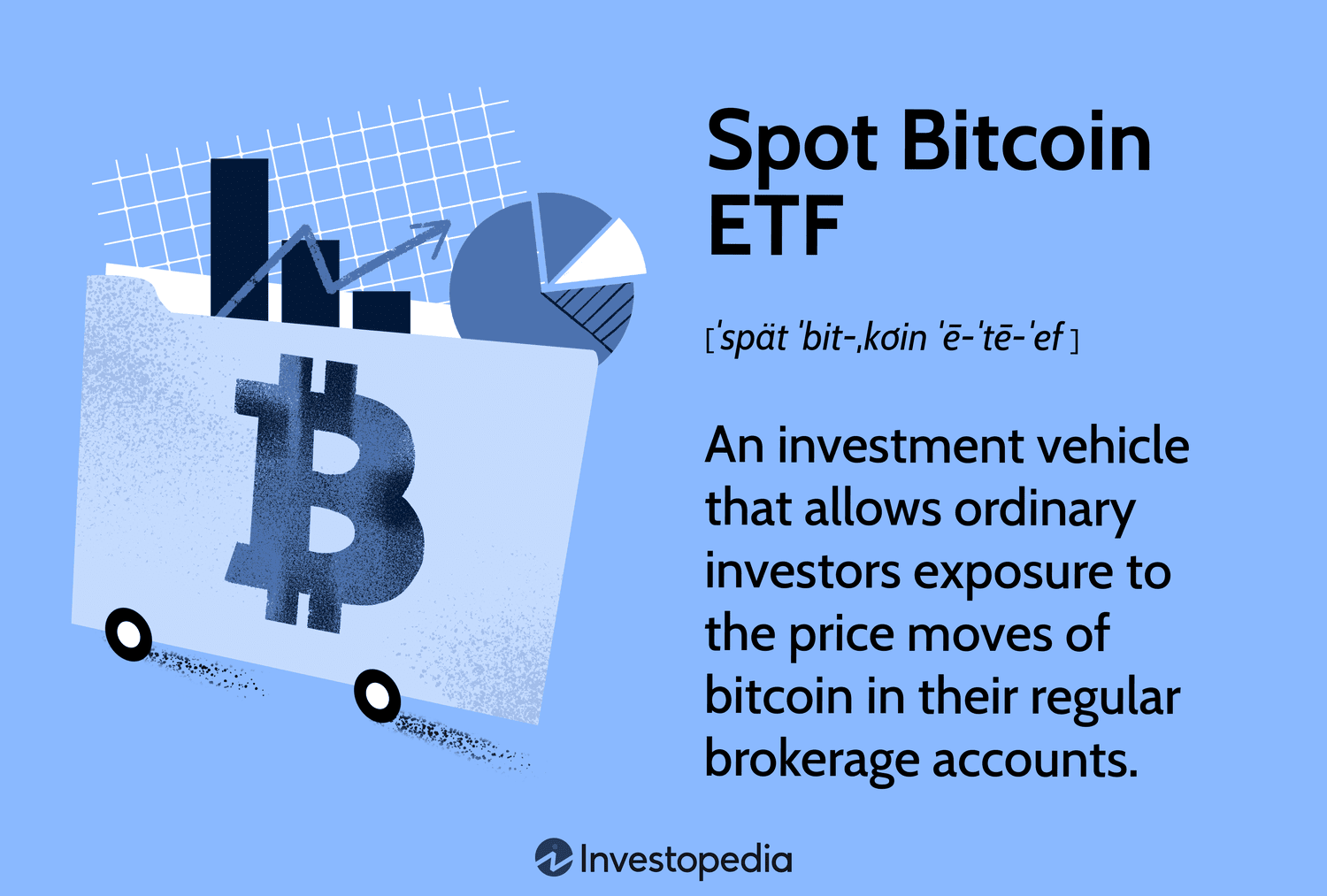
Retirement accounts like IRAs and 401(k)s have restrictions. Grayscale’s Bitcoin Mini Trust (BTC) is one of the few spot Bitcoin ETFs available in self-directed IRAs, whereas most major funds like IBIT and FBTC are restricted to taxable brokerage accounts.
Fees directly erode long-term returns. Most major spot Bitcoin ETFs have lowered fees to 0.15% or lower, but some niche funds charge significantly more. Always verify the current expense ratio before committing capital, as these rates are subject to change.

Liquidity determines how easily you can enter or exit a position without impacting the price. While most major Bitcoin ETFs trade heavily, smaller funds may have wider bid-ask spreads. Check the average daily volume to ensure you can trade at fair market prices.
Not all brokers offer every Bitcoin ETF. Some platforms restrict crypto-related securities or charge higher commissions for them. Ensure your specific brokerage allows trading in the fund you’ve selected and understand any associated platform fees.
No comments yet. Be the first to share your thoughts!