Spot Bitcoin dominates 2026 flows
The 2026 crypto ETF landscape is defined by a clear hierarchy: spot Bitcoin products are the primary vehicle for institutional and retail capital, while Ethereum and altcoin funds face a significantly tougher environment. As demand for crypto ETFs becomes more selective, Bitcoin spot ETFs capture the overwhelming majority of new inflows, establishing a baseline of market dominance that other assets struggle to match.
Financial data from early 2026 indicates that Bitcoin spot funds consistently attract the lion's share of new investments. While Ethereum ETFs have launched and gained traction, their flow volumes remain a fraction of Bitcoin's. This divergence highlights a market preference for the asset with the longest track record of regulatory clarity and institutional adoption. Investors are treating Bitcoin spot ETFs as the core crypto holding, using them for long-term exposure rather than short-term speculation.
This concentration of capital in Bitcoin spot products reflects a broader trend in risk management. In a high-stakes financial environment, institutions are prioritizing liquidity and regulatory certainty. Bitcoin spot ETFs, backed by major issuers and approved by the SEC, offer the most straightforward path to crypto exposure. Ethereum and altcoin ETFs, while offering potential for higher growth, carry additional regulatory and technological risks that make them secondary choices for many large-scale investors.
The dominance of Bitcoin spot ETFs also influences the broader crypto market. Price movements in Bitcoin spot funds often lead price action in the underlying asset, creating a feedback loop that reinforces Bitcoin's market position. For investors, this means that Bitcoin spot ETFs are not just an investment option but a key indicator of overall crypto market sentiment. As 2026 progresses, this trend is likely to continue, with Bitcoin spot ETFs remaining the primary gateway for capital entering the crypto space.
Ethereum ETF performance lags Bitcoin
While Bitcoin spot ETFs have established themselves as the primary vehicle for institutional crypto exposure, Ethereum spot funds are navigating a significantly tougher environment. As 2026 progresses, the market is becoming increasingly selective, with capital flows heavily favoring Bitcoin while Ether and broader altcoin funds struggle to capture comparable traction. This divergence highlights a maturation in investor behavior, where depth and liquidity trump narrative potential.
Data from major financial providers and SEC filings indicate that Ethereum ETFs have faced persistent outflows or stagnant inflows compared to the robust accumulation seen in Bitcoin vehicles. Investors appear to be prioritizing the established safety profile of Bitcoin over the utility-focused thesis of Ethereum, especially amid regulatory uncertainty surrounding the latter's classification. This trend suggests that until Ethereum ETFs demonstrate clearer, sustained demand drivers, they will remain secondary to their Bitcoin counterparts.

The disparity in performance is not merely a matter of market cap but reflects a broader shift in how institutional capital allocates risk. Bitcoin ETFs are increasingly viewed as digital gold substitutes, while Ethereum ETFs are still grappling with defining their unique value proposition in a crowded financial landscape. This dynamic is expected to persist through 2026, with Bitcoin maintaining its dominance in the spot ETF market.
Compare leading spot Bitcoin and Ethereum ETFs
Selecting the right fund requires weighing cost against market depth. For 2026, the landscape is dominated by a few institutional issuers offering the lowest expense ratios and highest liquidity. The following table compares the top five spot Bitcoin and Ethereum ETFs based on available data.
| Fund / Ticker | Issuer | Expense Ratio | Est. AUM (2026) |
|---|---|---|---|
| BlackRock iShares Bitcoin Trust | BlackRock | 0.25% | $85B+ |
| Fidelity WiseOrigin Bitcoin Fund | Fidelity | 0.25% | $55B+ |
| Grayscale Bitcoin Trust (GBTC) | Grayscale | 1.50% | $30B+ |
| BlackRock iShares Ethereum Trust | BlackRock | 0.25% | $25B+ |
| Fidelity WiseOrigin Ethereum Fund | Fidelity | 0.25% | $15B+ |
Expense ratios and fee impact
Bitcoin ETFs have seen aggressive fee compression, with BlackRock and Fidelity both settling at 0.25%. This is a significant drop from the initial launch rates. Grayscale’s GBTC remains the most expensive option at 1.50%, reflecting its historical premium and premium-discount dynamics. For Ethereum funds, fees are similarly competitive at 0.25% for the top two issuers. Over time, a 1.25% difference compounds significantly, making the cheaper funds more attractive for long-term holders.
Liquidity and trading volume
Liquidity is critical for minimizing slippage during entry and exit. BlackRock’s iShares funds (IBIT and ETHA) consistently lead in daily trading volume, often exceeding $1 billion. Fidelity’s funds follow closely, providing ample depth for institutional and retail trades. Grayscale’s GBTC, while still highly liquid, has seen volume decline as investors migrate to lower-cost alternatives. When trading large blocks, the spread between the bid and ask in high-volume funds is typically narrower, reducing transaction costs.
Issuer reputation and infrastructure
The reputation of the issuer matters for custody and regulatory compliance. BlackRock and Fidelity are established giants in traditional finance, offering robust infrastructure and direct SEC compliance. Grayscale, while a pioneer in crypto ETFs, faces different structural challenges, including its transition from a trust to an ETF. For investors prioritizing institutional-grade custody and ease of integration with existing brokerage accounts, BlackRock and Fidelity are the standard choices.
Altcoin ETFs face headwinds in 2026
The broader crypto ETF landscape in 2026 is defined by consolidation rather than expansion. While early filings for altcoin products like Solana generated significant media attention, actual capital inflows remain disproportionately concentrated in Bitcoin and Ethereum. Demand has become highly selective, with investors prioritizing established liquidity and regulatory clarity over speculative novelty.
Market data indicates that U.S.-listed ETFs are absorbing a majority of new issuance for the top two assets. This dynamic creates a tougher environment for smaller-cap altcoin funds, which struggle to compete with the institutional trust and trading volume of their larger counterparts. The gap in assets under management continues to widen, reinforcing Bitcoin’s dominance as the primary vehicle for crypto exposure in traditional finance.
Regulatory scrutiny also plays a pivotal role in this divergence. The SEC’s cautious approach to approving new altcoin ETFs means that even when filings are submitted, the path to launch is longer and more uncertain. This uncertainty dampens issuer enthusiasm and reduces the variety of available products for retail and institutional investors alike.
Check your crypto ETF selection
Before committing capital, verify the operational health of each fund. The gap between spot Bitcoin and Ethereum ETFs in 2026 is defined by fee structures and liquidity depth. Use this three-step workflow to screen candidates.
Expense ratios have compressed significantly, with top Bitcoin ETFs trading below 0.20%. Compare the annualized cost against the fund's projected asset growth. Even a 0.10% difference compounds heavily over multi-year holds.
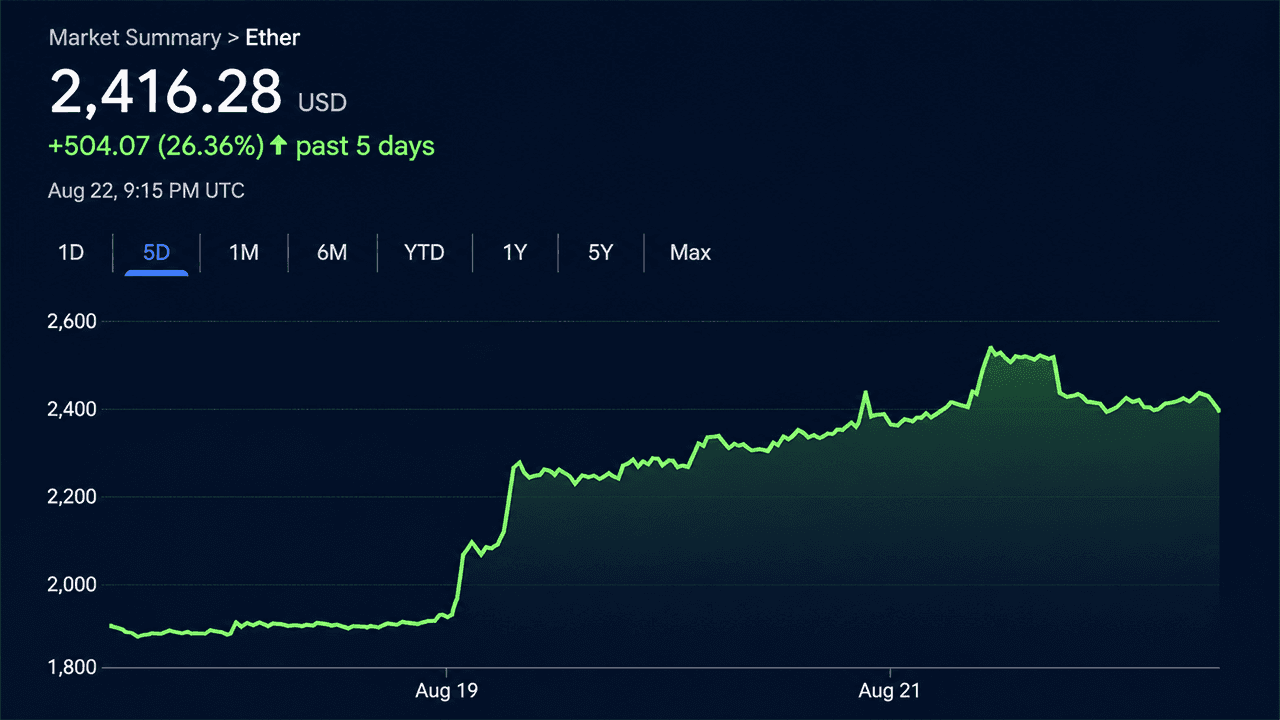
Liquidity determines your exit efficiency. Look for funds with average daily trading volumes exceeding $50 million. High volume ensures tight bid-ask spreads, preventing slippage during market volatility.
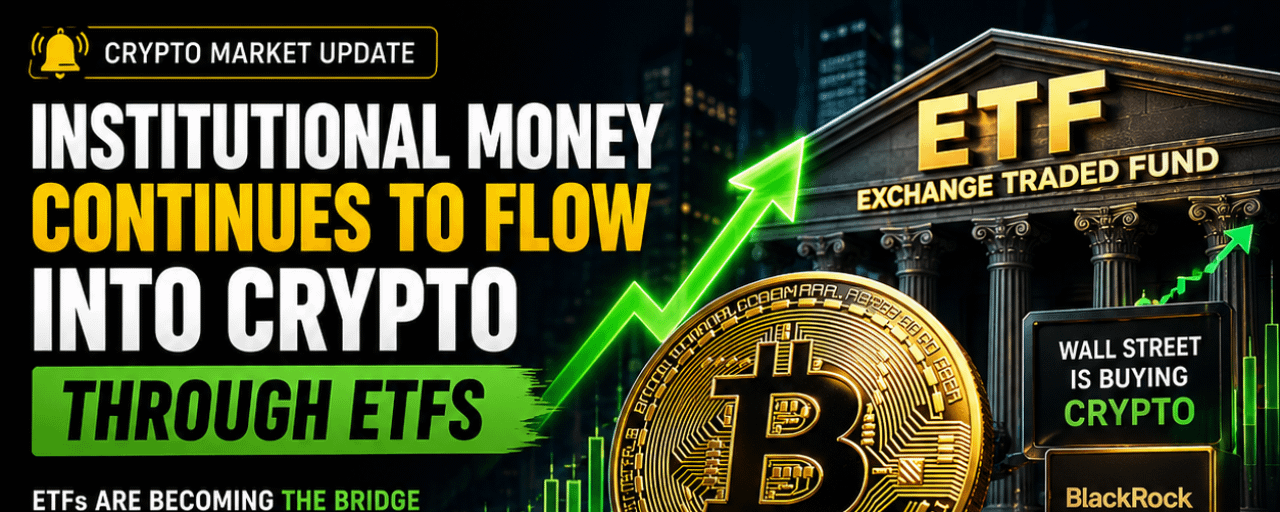
Review the issuer's track record with traditional securities. Established providers like BlackRock or Fidelity offer robust custodial infrastructure. Verify that the fund has no history of regulatory warnings or operational delays.
| Metric | Bitcoin ETF | Ethereum ETF |
|---|---|---|
| Typical Expense Ratio | 0.15% - 0.25% | 0.20% - 0.25% |
| Avg. Daily Volume | $100M+ | $50M+ |
| Custodian Type | Institutional Vaults | Institutional Vaults |
Helpful gear
Use these product recommendations as a starting point, then choose the size, material, and price point that fit how you actually use the gear.


As an Amazon Associate, we may earn from qualifying purchases.
No comments yet. Be the first to share your thoughts!