Budget crypto etf 2026
The landscape for spot crypto ETFs has shifted from a novelty to a crowded market of competing funds. For investors in 2026, the primary differentiator is no longer just exposure to Bitcoin or Ethereum, but the cost of holding that exposure. Expense ratios have compressed significantly since the initial launches, but they still vary enough to impact long-term passive income strategies.
When selecting a fund, treat the expense ratio as a recurring tax on your returns. A difference of 0.10% may seem negligible on a small balance, but over years of compounding, it erodes the passive income you are trying to generate. Look for funds with ratios below 0.20% for Bitcoin and below 0.25% for Ethereum to ensure you are not overpaying for basic market access.
Liquidity and trading volume are equally critical. A low-cost ETF is useless if you cannot enter or exit positions without significant slippage. Prioritize funds from major issuers like BlackRock (IBIT) or Fidelity (FBTC), which consistently rank among the largest by assets under management. These funds offer the tightest bid-ask spreads, ensuring your trade executions remain close to the net asset value.
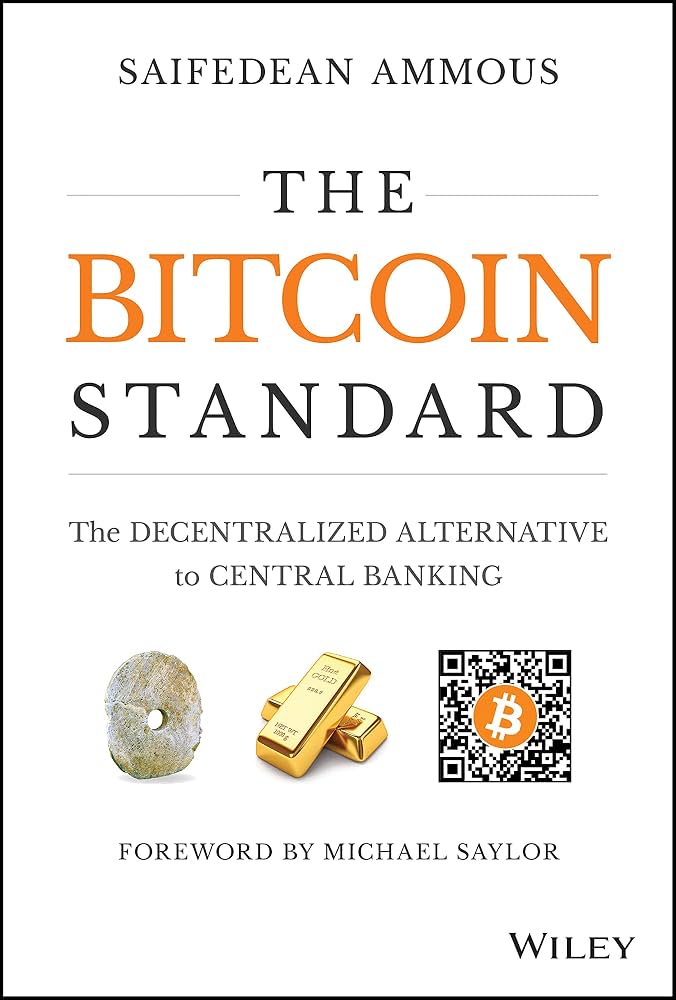
While Amazon does not directly sell ETFs, many investors use the platform to build the foundational knowledge required to manage these assets. The following books provide essential context on crypto market cycles and ETF mechanics, helping you make informed decisions about your portfolio allocation.


As an Amazon Associate, we may earn from qualifying purchases.
Shortlist real options
The crypto ETF landscape in 2026 has consolidated around a few dominant players. While dozens of funds launched in previous years, capital has flowed heavily into the most liquid and established products. For investors seeking passive exposure, the choice largely narrows to Bitcoin and Ethereum spot ETFs from major issuers like BlackRock, Fidelity, and Grayscale.
Below is a comparison of the strongest crypto ETF options available right now. These funds are selected based on assets under management (AUM), trading volume, and operational maturity. Higher AUM typically correlates with tighter spreads and better execution for traders.
| ETF Name | Issuer | Asset | AUM (Approx) |
|---|---|---|---|
| iShares Bitcoin Trust | BlackRock | BTC | $55B |
| Fidelity Wise Origin Bitcoin Fund | Fidelity | BTC | $25B |
| Grayscale Bitcoin Trust (BTC) | Grayscale | BTC | $20B |
| BlackRock iShares Ethereum Trust | BlackRock | ETH | $10B |
| Fidelity Wise Origin Ethereum Fund | Fidelity | ETH | $5B |
Bitcoin ETFs remain the anchor of the sector. BlackRock’s iShares Bitcoin Trust (IBIT) leads with the deepest liquidity, making it a preferred choice for active traders. Fidelity’s offering provides a strong alternative with competitive fee structures. Grayscale, once the sole provider, has seen outflows as investors migrate to lower-cost spot alternatives.
Ethereum ETFs have gained traction but lag behind Bitcoin in volume. BlackRock and Fidelity dominate this space as well. These funds offer exposure to the second-largest cryptocurrency without the need for self-custody, appealing to institutional and retail investors alike. For investors looking to build a diversified crypto portfolio, these ETFs provide a regulated entry point. Always compare expense ratios and trading volumes before investing. The market moves quickly, and liquidity is essential for managing risk.
Inspect the expensive parts
Crypto ETFs trade on familiar exchanges, but the underlying mechanics carry unique risks that can erode returns if overlooked. This checklist focuses on the structural and operational failure points specific to digital asset funds. Skipping these checks is like buying a car without looking at the engine; you might get there, but the repair bill will be steep.

Ownership Costs and Maintenance Surprises
When evaluating spot Bitcoin and Ethereum ETFs, the expense ratio is only the starting point. While a low fee is attractive, it does not tell the whole story of what you will actually pay to hold the position. True ownership costs include bid-ask spreads, trading commissions, and the hidden drag of tax inefficiencies in certain account types. A cheap buy can quickly become expensive if the fund trades infrequently or if its structure forces you into unfavorable tax events.
The True Cost of Trading
The expense ratio is the annual fee deducted from the fund’s assets, but it is not the only cost. You also pay the bid-ask spread every time you buy or sell. For large-cap ETFs like the iShares Bitcoin Trust (IBIT) or Fidelity Wise Origin Bitcoin Fund (FBTC), spreads are typically tight, often less than a penny. However, for smaller or less liquid crypto ETFs, spreads can widen significantly during market volatility, effectively increasing your entry and exit costs.
Trading commissions from your broker add another layer. Many major brokers offer $0 commissions for ETF trades, but this is not universal. If your broker charges a fee per trade, frequent rebalancing can erode returns faster than a slightly higher expense ratio. Always check your broker’s fee schedule before executing trades, especially if you plan to trade actively.
Tax Drag and Structure
The structure of the ETF matters for tax purposes. Spot Bitcoin ETFs are generally structured as grantor trusts, which means they are pass-through entities. This can simplify tax reporting but may also result in less favorable tax treatment compared to traditional equity ETFs, depending on your jurisdiction and account type. In taxable accounts, this can create a "tax drag" that reduces net returns over time.
In contrast, ETFs structured as corporations may distribute capital gains, which can be taxed at higher rates. Always consult a tax professional to understand how the specific ETF’s structure interacts with your personal tax situation. For most investors, holding crypto ETFs in tax-advantaged accounts like an IRA or 401(k) can mitigate these concerns, but contribution limits and eligibility rules apply.
When Cheap Stops Being Cheap
A low expense ratio is only beneficial if the fund is liquid and efficiently managed. If a fund has low assets under management (AUM), it may face higher operational costs per investor, which can lead to wider spreads or less favorable trading conditions. Additionally, some funds may have hidden fees in their prospectus, such as management fees that exceed the stated expense ratio or fees for specific services.
Always read the fund’s prospectus carefully. Look for sections on "Fees and Expenses" and "Tax Considerations." Compare the total cost of ownership, including spreads and commissions, across different ETFs. Sometimes, a slightly higher expense ratio is justified by better liquidity, tighter spreads, and superior tax efficiency. Remember, the cheapest option is not always the best value.


As an Amazon Associate, we may earn from qualifying purchases.
Crypto etf 2026: what to check next
Navigating the crypto ETF landscape in 2026 requires distinguishing between established leaders and emerging contenders. While Bitcoin remains the dominant force, Ethereum and altcoin-focused funds are expanding the market. Below are answers to the most common questions investors ask before allocating capital.
What is the best crypto ETF to buy right now?
BlackRock’s iShares Bitcoin Trust (IBIT) currently leads the market with approximately $55 billion in assets under management. It offers the deepest liquidity and most mature infrastructure for passive investors. For those seeking Ethereum exposure, spot Ether ETFs from providers like Fidelity and BlackRock provide regulated access to the second-largest cryptocurrency. The "best" choice depends on whether you prioritize Bitcoin’s stability or Ethereum’s utility growth.
What ETF will boom in 2026?
Bitcoin ETFs remain the anchor of the sector, but Ethereum-based funds are gaining significant traction. Recent data shows Ethereum ETFs capturing 12.2% of the market share, trailing only Bitcoin. Additionally, funds tied to the CoinDesk 20 Index are emerging as diversified alternatives. While no single fund is guaranteed to "boom," those with lower expense ratios and strong institutional backing tend to attract the most inflows during volatile periods.
What are the top 10 crypto ETFs?
The top crypto ETFs are dominated by spot Bitcoin and Ethereum products. Major players include BlackRock’s IBIT, Fidelity’s FBTC, and Grayscale’s GBTC. Beyond these leaders, the list includes Ethereum-focused funds like the iShares Ethereum Trust (ETHA) and diversified index funds. The rankings shift frequently based on daily inflows and outflows, so checking real-time assets under management is essential for accurate comparisons.
What are some upcoming crypto ETFs?
Regulators are gradually approving new products, including leveraged and inverse crypto ETFs. ProShares and other issuers are expanding their lineups to include funds tracking broader indices like the CoinDesk 20. While specific upcoming approvals are subject to SEC decisions, investors should monitor filings for potential Solana and XRP ETFs, which have gained attention following the success of Bitcoin and Ethereum spot funds.
No comments yet. Be the first to share your thoughts!