Best crypto ETFs for 2026
The crypto ETF landscape in 2026 has consolidated around a few dominant players, making the choice of provider more critical than ever. Rather than chasing obscure new issuers, investors are flocking to the largest, most liquid funds that track Bitcoin, Ethereum, and Solana directly. These vehicles offer a streamlined way to gain exposure to digital assets without managing private keys or navigating complex exchanges.
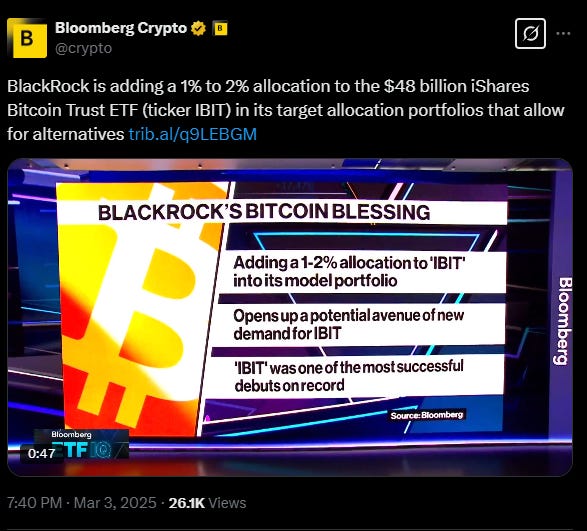
The iShares Bitcoin Trust (IBIT) remains the market leader by assets under management, offering deep liquidity and institutional-grade security. For Ethereum exposure, the iShares Ethereum Trust (ETHA) provides a straightforward alternative to older, fee-heavy products like GBTC. While Solana ETFs are still evolving, the market is beginning to see dedicated products that track the asset's spot price, allowing for diversified crypto portfolios within a single brokerage account.
Below are the primary crypto ETF products available for purchase through standard brokerage accounts. These selections represent the most established options in the current market, prioritizing low fees and high trading volume.
As an Amazon Associate, we may earn from qualifying purchases.
When comparing these options, the expense ratio and trading volume are the two most significant factors. Lower fees compound over time, directly impacting your net returns, while high volume ensures you can enter and exit positions without significant slippage. The following table compares the top three crypto ETFs based on their current market metrics.
| Ticker | Provider | Expense Ratio | Assets Under Management |
|---|---|---|---|
| IBIT | BlackRock | 0.12% | $49.36B |
| ETHA | BlackRock | 0.12% | $4.44B |
| GBTC | Grayscale | 1.50% | $8.68B |
Bitcoin ETF performance in 2026
Bitcoin exchange-traded funds have firmly established themselves as the primary gateway for institutional capital, despite a turbulent market environment. While the broader cryptocurrency sector experienced a hard slide earlier in the year, the ETF ecosystem has shown remarkable resilience, with assets under management remaining at historic highs. The iShares Bitcoin Trust (IBIT) continues to dominate the landscape, holding approximately $49.36 billion in assets, a testament to its liquidity and investor trust. This dominance is not just about size; it reflects a structural shift where Bitcoin ETFs have become the preferred vehicle for exposure, overshadowing direct holdings in many institutional portfolios.
The performance of these funds is inextricably linked to the underlying asset's price action, but their trading volumes often tell a different story of demand. During periods of market correction, trading activity in leading ETFs like IBIT and Fidelity's Wise Origin Bitcoin Fund (FBTC) tends to spike, indicating that investors are using these vehicles to adjust positions rather than exit the market entirely. This dynamic creates a unique liquidity profile where ETFs can absorb significant selling pressure without the fragmentation seen in spot cryptocurrency exchanges. For long-term holders, the current performance trends justify Bitcoin's position as the core holding in a diversified crypto portfolio. While other altcoin ETFs struggle with lower liquidity and higher volatility, Bitcoin ETFs offer a regulated, familiar framework that appeals to traditional finance. The recent market volatility has served as a stress test, and the Bitcoin ETF sector has passed it, maintaining its status as the most robust and accessible entry point for 2026 and beyond.
Ethereum ETF returns and outlook
Use this section to make the Best Crypto ETFs decision easier to compare in real life, not just on paper. Start with the reader's actual constraint, then separate must-have requirements from details that are merely nice to have. A practical choice should survive normal use, maintenance, timing, and budget. If a recommendation only works in an ideal situation, call that out plainly and give the reader a fallback path.
The simplest way to use this section is to write down the must-have criteria first, then compare each option against those criteria before weighing nice-to-have features.
Solana ETF investment options
The Solana ETF landscape remains in a developmental phase for 2026, distinct from the established tracks of Bitcoin and Ethereum. While spot Bitcoin (IBIT) and Ethereum (ETHA) ETFs dominate trading volume and offer immediate liquidity, Solana products are currently limited to a handful of futures-based or actively managed funds rather than widespread spot access.
Investors seeking Solana exposure through traditional brokerage accounts must navigate higher volatility and regulatory uncertainty. Unlike the "set-and-forget" nature of IBIT, Solana ETFs often carry higher expense ratios and may not track the spot price as precisely. This category is best suited for investors with a higher risk tolerance who are specifically targeting the Solana ecosystem's growth potential.
The absence of a dominant, low-cost spot Solana ETF means that direct cryptocurrency exchange purchases often remain the more cost-effective route for pure price exposure. However, for those requiring the tax advantages and custody security of a regulated fund, available options are sparse and require careful due diligence.
High RiskCurrent offerings are primarily futures-based, meaning they do not hold the underlying asset directly. This structural difference introduces contango costs and tracking error that can erode returns over time. As of 2026, no major issuer has launched a fully approved spot Solana ETF, leaving the market fragmented and less liquid than its Bitcoin and Ethereum counterparts.
How to choose the right crypto ETF
Selecting a cryptocurrency ETF requires balancing cost efficiency with market depth. Unlike direct ownership, ETFs introduce layering costs and counterparty dependencies that can erode returns over time. A disciplined evaluation framework focuses on three non-negotiable metrics: expense ratios, liquidity, and the issuer’s operational track record.
Expense ratios are the silent drag on long-term performance. For spot Bitcoin and Ethereum products, costs are compressed but not identical. BlackRock’s IBIT charges 0.25%, while Fidelity’s FBTC matches this rate. For Ethereum, Franklin Templeton’s ETHA offers a lower 0.25% fee compared to some competitors charging 0.30% or higher. Even a 0.05% difference compounds significantly over years of holding. Always verify the current ratio on the issuer’s official fact sheet, as fee waivers may expire.
Liquidity determines how easily you can enter or exit a position without slippage. Look for high average daily volume and tight bid-ask spreads. IBIT and ETHA consistently rank among the most liquid spot crypto ETFs, ensuring that large orders execute near the net asset value (NAV). Avoid products with thin trading volumes, as wide spreads can cost you more than the expense ratio itself during volatile market swings.
The issuer’s reputation and custody arrangements are critical for risk management. Major financial institutions like BlackRock, Fidelity, and Franklin Templeton utilize regulated custodians such as Coinbase Prime or BitGo to secure the underlying assets. This infrastructure provides a layer of security and regulatory compliance that smaller, newer issuers may lack. Review the issuer’s prospectus to understand their custody protocols and audit trails, ensuring your exposure is backed by institutional-grade security.
Frequently asked questions about crypto ETFs
Which sector of ETF is best for 2026?
While technology and semiconductor sectors have shown strong momentum, crypto ETFs offer a distinct asset class separate from traditional equities. Investors looking for exposure to digital assets should focus on specific Bitcoin and Ethereum funds rather than general sector indices. The iShares Bitcoin Trust (IBIT) and Fidelity Ethereum ETF (ETHA) provide direct access to these digital commodities without the complexity of holding private keys.
Are crypto ETFs safer than holding cryptocurrency directly?
Crypto ETFs are regulated by the SEC, offering a layer of security and transparency that direct crypto holdings lack. You do not need to manage digital wallets or worry about exchange hacks, as the underlying assets are held by qualified custodians. This structure makes them suitable for traditional brokerage accounts, allowing investors to gain exposure to Bitcoin and Ethereum through familiar financial interfaces.
How do I buy Bitcoin and Ethereum ETFs?
You can purchase crypto ETFs like IBIT, ETHA, or the Solana Trust (SOLC) through any standard brokerage account, just like you would buy shares of Apple or Microsoft. Look for tickers ending in 'ETF' or 'Trust' on the NYSE or Nasdaq. Be mindful of expense ratios, as fees can erode returns over time, and consider dollar-cost averaging to manage volatility.
No comments yet. Be the first to share your thoughts!