Top crypto ETF picks for 2026
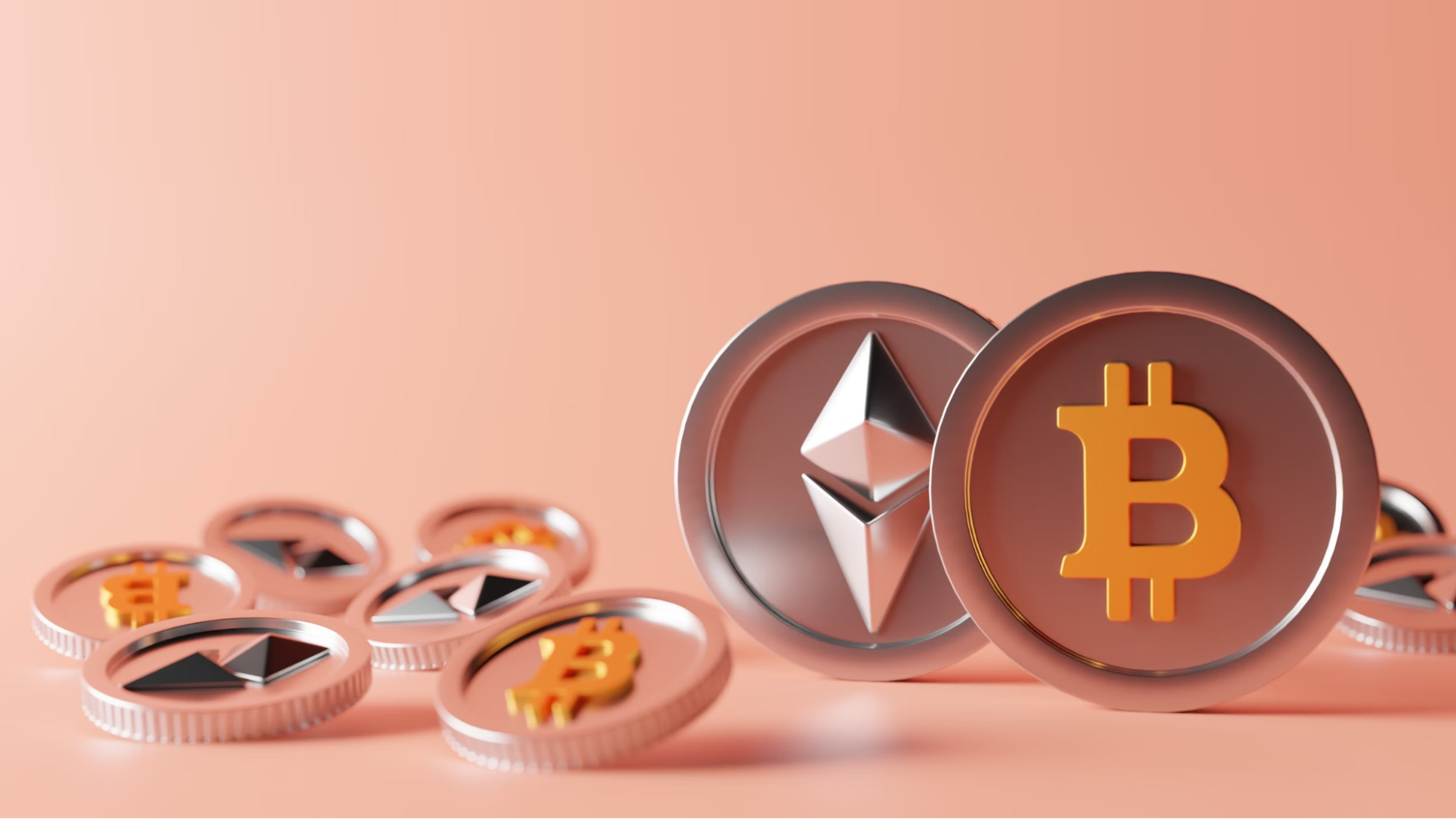
The crypto ETF market has matured from speculative novelty to a core institutional holding. For 2026, the choice narrows to a few dominant players with deep liquidity, low fees, and regulatory clarity. We focus on the two primary assets: Bitcoin and Ethereum.
Bitcoin remains the anchor. The iShares Bitcoin Trust (IBIT) by BlackRock leads in assets under management, offering unparalleled liquidity for large-scale trades. Fidelity’s Wise Origin Bitcoin Fund (FBTC) is a close competitor, favored by investors already embedded in Fidelity’s brokerage ecosystem. Both funds track the spot price of Bitcoin directly, eliminating the premium/discount volatility of futures-based products.
Ethereum ETFs offer a different risk-reward profile. The Grayscale Ethereum Trust (ETHE), now converted to a spot ETF, is the oldest and most liquid option, though its fee structure has historically been higher than newer entrants. It serves as the primary proxy for Ethereum exposure in many traditional portfolios. As the ecosystem evolves, Ethereum’s utility layer adds complexity that Bitcoin’s store-of-value narrative does not.
The landscape shifts quickly. Fees compress, new entrants appear, and regulatory interpretations evolve. Your choice should depend on your existing brokerage platform and your conviction in the long-term trajectory of these assets. Do not chase the newest launch; stick to the funds with the deepest order books.


As an Amazon Associate, we may earn from qualifying purchases.
Bitcoin ETF performance and trends
Bitcoin spot exchange-traded funds have solidified their position as the dominant force in the 2026 crypto market. Unlike the speculative frenzy of earlier years, current performance is driven by sustained institutional inflows and a maturation of market structure. The asset class has moved beyond novelty status, with products like IBIT and FBTC capturing significant market share from traditional equity funds.
The trajectory of Bitcoin ETFs mirrors the broader price action of Bitcoin, though with distinct institutional characteristics. A record high for the BTC-USD pair in late 2025 underscored the liquidity these funds bring to the market. As BlackRock and other major issuers continue to expand their offerings, the correlation between ETF flows and Bitcoin’s price stability has become a key metric for investors.
To visualize this correlation, the chart below displays BTC-USD price action alongside the performance of leading ETFs. This comparison highlights how institutional vehicles are tracking Bitcoin with increasing precision, providing a clear view of market momentum. The dominance of Bitcoin ETFs is not just a matter of volume but of market confidence. With products like ETHE also gaining traction, the landscape is becoming more competitive, yet Bitcoin remains the primary beneficiary of institutional capital. This trend suggests that Bitcoin ETFs will continue to outperform other crypto-related financial products in 2026, driven by their liquidity, regulatory clarity, and established infrastructure.



As an Amazon Associate, we may earn from qualifying purchases.
Ethereum and altcoin ETF opportunities
The regulatory landscape has expanded beyond Bitcoin, allowing investors to gain exposure to Ethereum and a growing roster of altcoins through regulated funds. While spot Bitcoin ETFs like IBIT and FBTC dominate headlines, Ethereum ETFs have established a foothold, offering a distinct risk-reward profile for diversified portfolios. These products track the price of their respective underlying tokens, eliminating the need for private key management while introducing specific fee structures and liquidity dynamics.
Ethereum ETFs, such as those issued by BlackRock (ETHA) and Fidelity (FETH), provide direct exposure to the second-largest cryptocurrency. Unlike Bitcoin, which functions primarily as a store of value, Ethereum’s utility in decentralized finance and smart contracts adds a different layer of market sentiment. Investors should note that these funds often carry higher expense ratios than their Bitcoin counterparts, reflecting the complexity of custody and regulatory compliance for smart contract platforms.
Beyond Ethereum, the altcoin ETF space is nascent but evolving. Some funds track baskets of assets, while others focus on specific sectors like Solana or XRP. This diversification allows for targeted bets on blockchain infrastructure without the volatility of holding individual tokens. However, these products are generally newer, with smaller assets under management (AUM), which can impact trading volume and bid-ask spreads.
The following table compares key metrics for major Ethereum and altcoin ETFs, helping you assess cost and scale.
| Fund Name | Ticker | AUM (Approx) | Expense Ratio | Launch Date |
|---|---|---|---|---|
| iShares Ethereum Trust | ETHA | $4.5B | 0.25% | 2024-07 |
| Fidelity Ethereum ETF | FETH | $2.1B | 0.25% | 2024-07 |
| Grayscale Ethereum Mini Trust | ETHE | $1.8B | 0.95% | 2021-05 |
| VanEck Ethereum ETF | EVETH | $0.4B | 0.25% | 2024-07 |
For those interested in physical crypto holdings or related hardware wallets to complement their ETF strategy, consider the following options.


As an Amazon Associate, we may earn from qualifying purchases.
How to choose the right crypto ETF
Selecting the right crypto ETF requires a disciplined focus on three core metrics: expense ratios, liquidity, and issuer reputation. High volatility in digital assets amplifies the cost of inefficiency, making fee structures and trading depth the primary filters for risk mitigation.
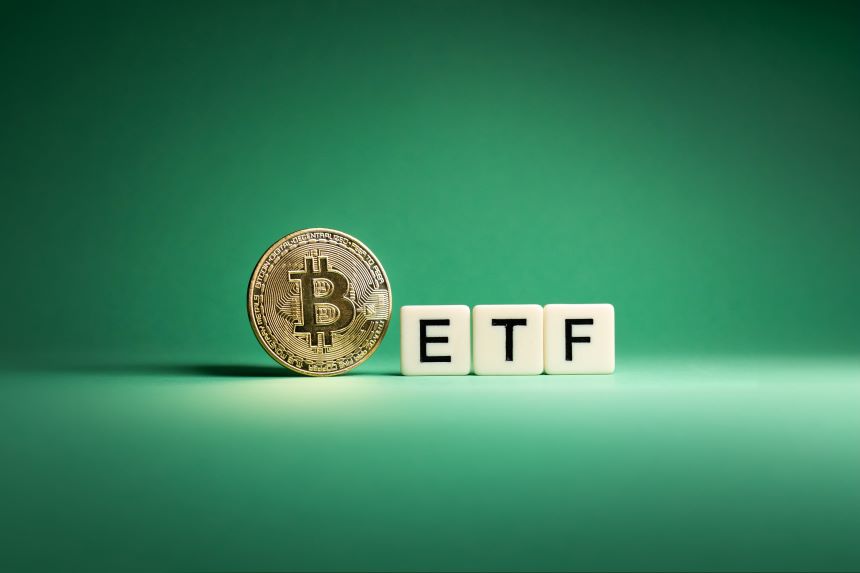
Spot Bitcoin ETFs like IBIT (0.25%) and MSBT (0.14%) offer some of the lowest-cost exposure available. For long-term holders, minimizing the drag on returns is essential; even a 0.10% difference compounds significantly over years. Prioritize funds that strip away unnecessary management layers to keep costs near the floor.
High liquidity ensures you can enter or exit positions without significant slippage, especially during market turbulence. Look for ETFs with deep order books and consistent daily trading volumes. Lower-volume funds may appear cheap but can trap capital during rapid price swings, making liquidity a non-negotiable safety feature.
Major providers like BlackRock, Fidelity, and VanEck bring institutional-grade custody and regulatory compliance. Their infrastructure reduces counterparty risk, a critical factor when dealing with digital assets. Stick to established issuers with proven track records in traditional finance to ensure operational reliability.

Match the ETF structure to your time horizon. Spot ETFs like IBIT and FBTC are ideal for direct exposure and long-term holding, while leveraged or futures-based products carry higher risks and costs suited only for short-term trading. Avoid complex derivatives unless you have the expertise to manage their decay.


As an Amazon Associate, we may earn from qualifying purchases.
2026 crypto etf investment outlook
The landscape for spot bitcoin and ethereum etfs has shifted from speculative novelty to institutional infrastructure. By 2026, products like IBIT, FBTC, and ETHE are no longer just trading vehicles; they are core portfolio components for advisors managing risk and liquidity. BlackRock’s dominance in spot bitcoin etfs has set a benchmark for scale, while competitors like Fidelity (FBTC) and Grayscale (ETHE) hold significant market share, driving fee compression and operational maturity.
Institutional adoption is the primary driver of this stability. Pension funds and endowments are increasingly allocating to crypto etfs as a hedge against traditional market volatility, rather than chasing short-term alpha. This shift has reduced the extreme volatility previously associated with direct crypto holdings. However, the regulatory environment remains a critical variable. The SEC’s ongoing scrutiny of staking features and cross-border trading protocols means that 2026 etfs must prioritize compliance over yield, ensuring that investors are protected against sudden regulatory shifts.
Institutional Inflows: Spot crypto etfs have seen consistent net inflows in 2026, with institutional accounts driving over 60% of daily volume, signaling a maturation of the asset class beyond retail speculation.
While the long-term trend is upward, investors must remain cautious. The high-stakes nature of crypto means that even established etfs can experience sharp drawdowns during macroeconomic stress. Diversification across multiple etf providers (IBIT, FBTC, ETHE) can mitigate single-issuer risk, but the underlying assets remain volatile. Focus on low-fee, high-liquidity products to minimize tracking error and maximize long-term returns.


As an Amazon Associate, we may earn from qualifying purchases.
Frequently asked questions about crypto ETFs
Are crypto ETFs safe? Crypto ETFs like IBIT, FBTC, and ETHE are regulated financial products, but they carry significant risk due to the volatility of Bitcoin and Ethereum. The Securities and Exchange Commission (SEC) oversees these funds, meaning your shares are held in a regulated structure rather than in a personal digital wallet. However, the price of the ETF will still swing with crypto markets, so they are not a guarantee against loss.
How do crypto ETFs differ from holding crypto directly? When you buy an ETF, you own a share in a trust that holds the cryptocurrency, not the coin itself. This means you cannot transfer the asset to a hardware wallet or use it for decentralized finance transactions. The primary advantage is convenience and tax reporting simplicity within a standard brokerage account, whereas direct ownership offers full custody but requires managing private keys and security protocols.
What are the typical fees for crypto ETFs? Expense ratios vary by provider. For example, BlackRock’s IBIT has reduced its fee to 0.25%, while Fidelity’s FBTC charges 0.25%. These fees are deducted automatically from the fund’s assets, so you do not see a separate charge on your statement, but they do reduce your overall return over time. Always check the current expense ratio before investing, as providers may adjust these costs.
Can I lose all my money in a crypto ETF? Yes. Because these funds track volatile cryptocurrencies, a severe market downturn can lead to substantial losses. While the ETF structure prevents the risk of losing assets due to lost passwords or hacked wallets, it does not protect against market-wide crashes. Never invest more than you can afford to lose.
How do I buy crypto ETFs? You can purchase shares of ETFs like IBIT or FBTC through any major brokerage platform, such as Fidelity, Charles Schwab, or E*TRADE. The process is identical to buying stocks: place a buy order for the ticker symbol during market hours. No special cryptocurrency account setup is required.
No comments yet. Be the first to share your thoughts!