How to pick crypto ETFs in 2026
Selecting the right crypto exchange-traded fund requires looking beyond daily price swings. While Bitcoin and Ethereum dominate headlines, actual performance depends on structural factors like expense ratios, trading volume, and issuer reputation. In a high-stakes market, these mechanics determine whether you capture asset growth or lose it to fees and poor execution.
Watch the expense ratio
The cost of holding a crypto ETF is often higher than traditional index funds. For Bitcoin and Ethereum products, prioritize funds with expense ratios under 0.25%. Even a small difference in fees compounds significantly over time, eating into returns. For example, the iShares Bitcoin Trust ETF (IBIT) and Fidelity Wise Origin Bitcoin Fund (FBTC) offer competitive fee structures that make them efficient vehicles for long-term exposure.
Check daily liquidity
Liquidity ensures you can enter or exit a position without slippage. Look for ETFs with daily trading volumes consistently over $10 million. Higher volume typically correlates with tighter bid-ask spreads, meaning you pay closer to the true market price. The iShares Ethereum Trust ETF (ETHA) and Grayscale Ethereum Staking Mini ETF (ETH) have shown strong liquidity profiles, allowing investors to trade with confidence during volatile market hours.
Verify issuer reputation
The trustworthiness of the issuer matters when holding digital assets. Established financial institutions like BlackRock (iShares) and Fidelity bring robust custody solutions and regulatory compliance that smaller issuers may lack. This reduces counterparty risk and ensures your underlying assets are secure. When evaluating options, stick to funds managed by these primary issuers to minimize operational risks.


As an Amazon Associate, we may earn from qualifying purchases.
Leading Bitcoin ETFs
The Bitcoin spot ETF market has consolidated around two dominant issuers that handle the vast majority of institutional and retail inflows. These funds track the price of Bitcoin directly, allowing investors to gain exposure without managing private keys or self-custody.
iShares Bitcoin Trust (IBIT)
BlackRock’s iShares Bitcoin Trust is the largest spot Bitcoin ETF by assets under management. Its scale provides significant liquidity and tight bid-ask spreads, making it a preferred vehicle for large institutional allocations. The fund’s structure is straightforward, holding Bitcoin directly in custody with Coinbase.
Fidelity Wise Origin Bitcoin Fund (FBTC)
Fidelity’s offering is another titan in the space, known for its robust security infrastructure and deep integration with Fidelity’s existing brokerage platforms. It has attracted substantial inflows from both individual and institutional investors seeking a trusted name in asset management. Like IBIT, it holds Bitcoin directly, ensuring the fund’s value mirrors the underlying asset.
These funds represent the safest entry point for Bitcoin exposure within a traditional portfolio. They eliminate the technical risks of crypto storage while providing the transparency and regulatory oversight of traditional securities.


As an Amazon Associate, we may earn from qualifying purchases.
Top Ethereum ETF options
The landscape for Ethereum spot ETFs is evolving rapidly, offering investors distinct paths to exposure beyond simple price tracking. While Bitcoin ETFs dominate headlines with massive inflows, Ethereum funds provide a critical alternative, particularly for those interested in the network's staking mechanics. As of early 2026, the market has consolidated around a few major issuers, each offering different fee structures and staking capabilities.
Investors should note that Ethereum ETF performance often diverges from Bitcoin due to the added complexity of staking rewards and network fees. The iShares Ethereum Trust (ETHA) remains the largest by assets, but Grayscale’s offerings have gained significant traction by integrating staking directly into their products. This distinction is vital for long-term holders seeking yield generation alongside capital appreciation.
The table below compares the primary Ethereum ETF options based on expense ratios, assets under management (AUM), and one-year performance metrics. These figures highlight the competitive pressure on fees and the varying degrees of success in attracting institutional capital.
| Fund Name | Ticker | Expense Ratio | AUM (Approx) | 1Y Return |
|---|---|---|---|---|
| iShares Ethereum Trust | ETHA | 0.12% | $4.2B | 26.33% |
| Grayscale Ethereum Staking ETF | ETHE | 0.30% | $1.8B | 24.39% |
| Grayscale Ethereum Staking Mini ETF | ETH | 0.25% | $950M | 27.51% |
| Fidelity Ethereum ETF | FETH | 0.25% | $1.1B | 25.10% |
For those looking to build a diversified crypto portfolio, these ETFs offer regulated access without the custody risks of direct holdings. The choice often comes down to whether you prioritize the lowest fees (ETHA) or the inclusion of staking rewards (ETHE/ETH). Both approaches have merit depending on your market outlook for Ethereum's network activity and yield generation.



As an Amazon Associate, we may earn from qualifying purchases.
Bitcoin and Ethereum ETF performance
Bitcoin and Ethereum ETFs have carved out distinct roles in the 2026 portfolio. Bitcoin acts as the digital store of value, while Ethereum serves as the gateway to decentralized finance. Tracking their relative performance helps investors decide which asset fits their risk tolerance.
The iShares Bitcoin Trust (IBIT) and BlackRock’s iShares Ethereum Trust (ETHA) dominate their respective categories. IBIT has seen massive inflows, cementing Bitcoin’s status as a mainstream asset class. Meanwhile, ETHA captures the growing demand for yield-bearing crypto exposure through staking.
"Crypto has gained a lot of traction over the last couple of years, but BlackRock U.S. head of equity ETFs Jay Jacobs tells CNBC's Dominic..."
— Jay Jacobs, CNBC
Historical data shows Bitcoin’s price action often leads the broader market, offering stability during early bull cycles. Ethereum, while more volatile, provides higher potential upside during network upgrades and DeFi expansions. Investors should weigh Bitcoin’s liquidity against Ethereum’s staking yields.
Technical charts of BTC and ETH over the past year reveal divergent trends. Bitcoin’s moves are often driven by macroeconomic factors and institutional adoption. Ethereum’s price action is more tightly coupled with network activity and regulatory clarity on staking.
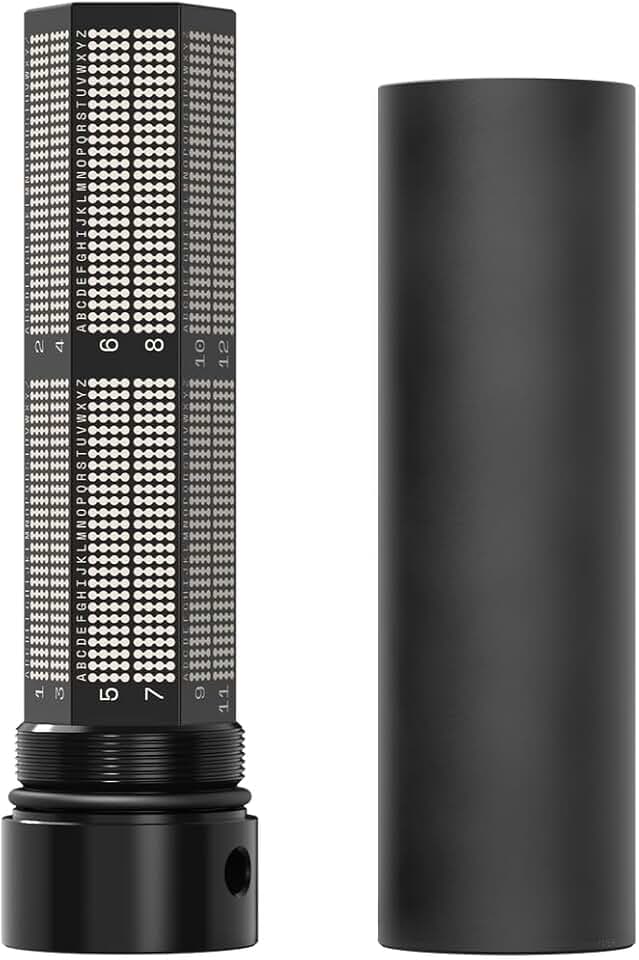
For those looking to diversify beyond ETFs, physical crypto products remain a popular choice. These items allow investors to hold the underlying asset offline, providing a hedge against exchange risks.


As an Amazon Associate, we may earn from qualifying purchases.
Frequently asked questions about crypto ETFs
Investors navigating the 2026 crypto landscape often face specific questions about performance and selection. The following answers address common queries regarding top-performing assets and market trends.
Which ETFs will boom in 2026?
While broad market ETFs like the Vanguard FTSE All-World and iShares Physical Gold ETC remain top sellers, crypto-specific funds are seeing accelerated adoption. Investors are increasingly allocating capital to Bitcoin and Ethereum trusts as these assets mature into standard portfolio holdings. The boom is driven by institutional demand for regulated exposure to digital assets rather than direct coin ownership.
What are the top 3 crypto ETFs?
Based on recent performance data, the leading Ethereum-focused ETFs include the iShares Ethereum Trust ETF (ETHA), Grayscale Ethereum Staking Mini ETF (ETH), and Grayscale Ethereum Staking ETF (ETHE). These funds have demonstrated strong year-over-year growth, with ETHA recording 26.33% growth and the staking variants outperforming the underlying asset in some metrics due to yield generation.
How do crypto ETFs differ from holding Bitcoin directly?
Crypto ETFs allow you to gain exposure to price movements without managing private keys or securing digital wallets. This structure reduces the technical barrier to entry and eliminates the risk of exchange hacks or lost passwords. However, ETFs charge management fees that can erode long-term returns compared to cold-storage holding.
Are crypto ETFs safe for beginners?
ETFs are generally safer than direct crypto ownership because they are regulated by financial authorities like the SEC. They trade on traditional stock exchanges, meaning you can use standard brokerage accounts and dollar-cost averaging strategies. However, they remain volatile assets; the value of your investment can fluctuate significantly based on crypto market conditions.
What is the best crypto ETF for long-term holding?
For long-term exposure, Bitcoin ETFs like the iShares Bitcoin Trust (IBIT) or Grayscale Bitcoin Trust (GBTC) are often preferred for their liquidity and lower fees relative to older structures. Ethereum ETFs are suitable for investors betting on smart contract platforms. Diversifying between Bitcoin and Ethereum ETFs can balance stability with growth potential in a 2026 portfolio.
No comments yet. Be the first to share your thoughts!