
The crypto ETF landscape in 2026
The cryptocurrency exchange-traded fund market has moved past its initial Bitcoin-only phase. In 2026, investors no longer need to choose between direct asset ownership and traditional market access. The current landscape offers a diversified array of spot products, including dedicated Ethereum and Solana funds, as well as multi-asset options that bundle several digital currencies into a single ticker.
This expansion brings both opportunity and complexity. While the variety of choices is vast, performance varies significantly based on fee structures and tracking accuracy. For long-term investors, the focus remains on low-cost spot products that minimize drag on returns. Key players like BlackRock's IBIT, Fidelity's FETH, and Grayscale's GDLC now dominate trading volumes, offering liquidity that rivals traditional equities.
Evaluating these funds requires looking beyond hype. Investors must weigh expense ratios against the stability of the issuer and the transparency of the underlying holdings. The market has matured, but it remains high-stakes. Selecting the right vehicle depends on whether you seek pure Bitcoin exposure, Ethereum staking yields, or broad-based digital asset diversification.


As an Amazon Associate, we may earn from qualifying purchases.
Top Bitcoin spot ETFs for 2026
Selecting the right Bitcoin spot ETF comes down to balancing cost against the stability of the issuer. In a high-stakes market, fee compression is the primary driver of long-term returns, but the institutional pedigree of the fund provider matters just as much for custody security and regulatory compliance. The following comparison highlights the leading options that dominate trading volume and assets under management.
Comparing the Leading Bitcoin ETFs
The table below contrasts the expense ratios and scale of the most significant Bitcoin spot funds. BlackRock’s IBIT and Fidelity’s FBTC lead in assets, while newer entrants like MSBT are competing aggressively on price.
| ETF Name | Ticker | Expense Ratio | Approx. AUM | Issuer |
|---|---|---|---|---|
| Fidelity Wise Origin Bitcoin Fund | FBTC | 0.25% | $22.2B | Fidelity |
| iShares Bitcoin Trust | IBIT | 0.25% | $45B+ | BlackRock |
| Bitwise Bitcoin ETF | BITB | 0.20% | $4.5B | Bitwise |
| Morgan Stanley Bitcoin Trust | MSBT | 0.14% | $1.2B | Morgan Stanley |
Evaluating Cost and Scale
For long-term investors, the best ETF for crypto exposure comes down to lowest-cost spot products. MSBT currently offers the lowest expense ratio at 0.14%, making it an attractive choice for cost-sensitive portfolios. However, IBIT and FBTC command significantly higher assets under management, which often translates to tighter bid-ask spreads and higher liquidity for traders executing large orders.
BITB offers a middle ground with a 0.20% fee and strong institutional backing. When choosing between these options, consider whether you prioritize the absolute lowest annual fee or the deepest liquidity provided by the market leaders. Both factors directly impact your net returns over time.
Affiliate Disclosure
Investing in cryptocurrency ETFs involves significant risk. The products discussed below are available through standard brokerage accounts. For readers interested in related hardware or educational materials, the following items may support your investment journey.



As an Amazon Associate, we may earn from qualifying purchases.
Ethereum ETF performance and options
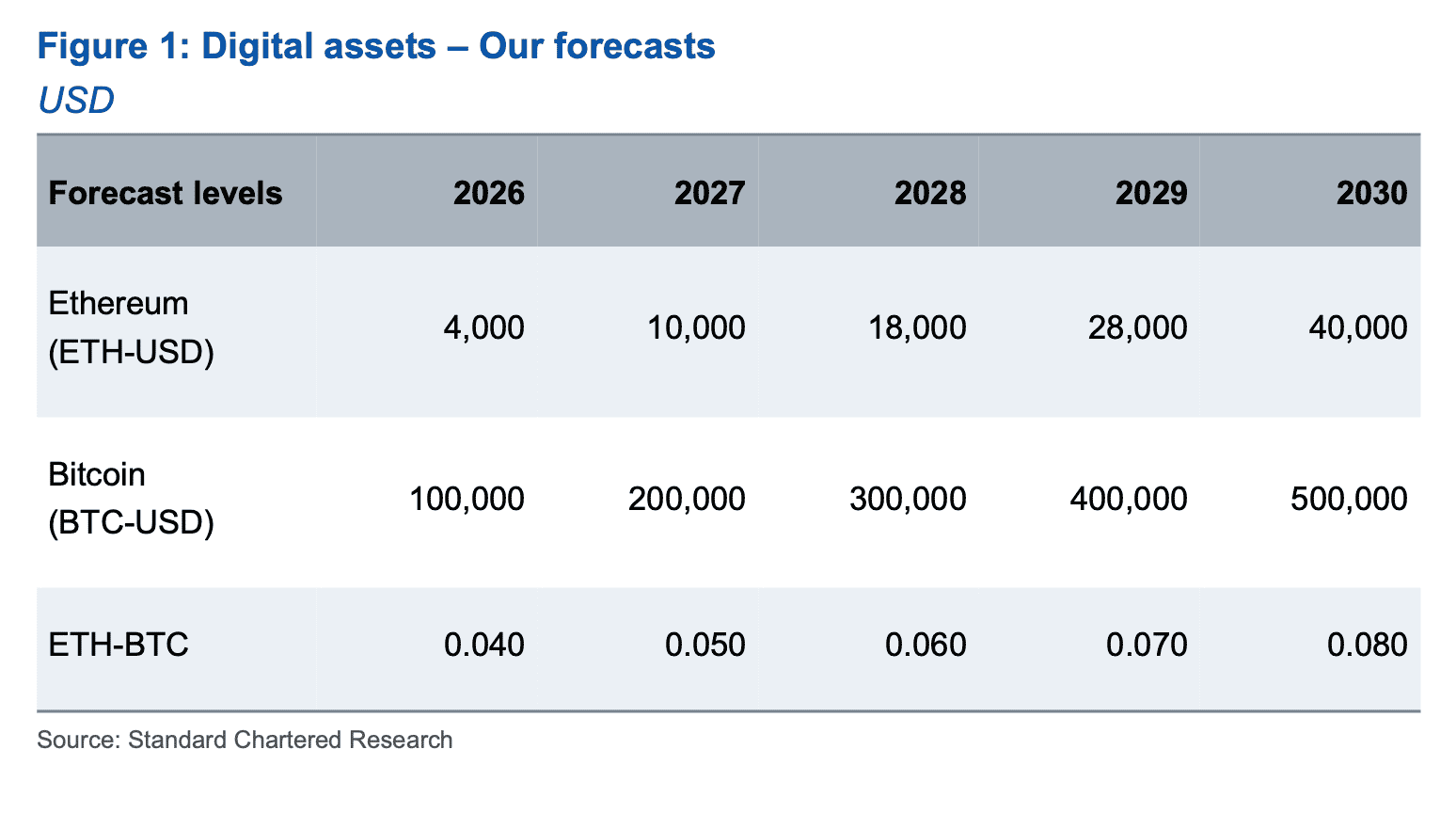
The Ethereum ETF market has bifurcated into standard spot funds and staking-enabled vehicles, each carrying distinct risk profiles. BlackRock's ETHA and Fidelity's FETH dominate the standard spot category, offering direct exposure to ETH price movements without the additional yield mechanics. These funds track the underlying asset closely, making them the primary choice for investors seeking pure capital appreciation rather than yield generation.
Performance data from early 2026 shows ETHA outpacing broader crypto indices in specific volatility windows, though it remains more volatile than Bitcoin ETFs like IBIT. The iShares Ethereum Trust ETF (ETHA) reported a 26.33% one-year price growth, slightly trailing Grayscale's staking-focused offerings but providing a more transparent fee structure for long-term holds.
Investors must weigh the trade-off between simplicity and yield. While staking ETFs promise higher returns through network participation, they often come with higher expense ratios and regulatory uncertainty. For those prioritizing capital preservation and liquidity, standard spot ETFs like ETHA and FETH remain the preferred instruments in a diversified crypto portfolio.

As an Amazon Associate, we may earn from qualifying purchases.
Solana and XRP ETF opportunities
The regulatory landscape for altcoin ETFs remains fractured in 2026. While spot Bitcoin and Ethereum products like IBIT and ETHA have achieved broad acceptance, the path for Solana and XRP is significantly more complex. The SEC has yet to approve dedicated spot ETFs for either asset, leaving investors to navigate a landscape of futures-based products and unapproved spot filings. This regulatory ambiguity creates a high-stakes environment where availability is not guaranteed, and volatility is amplified by the uncertainty surrounding their legal status.
Solana’s high throughput and growing ecosystem have made it a primary candidate for the next wave of crypto ETFs. However, the market has not seen a spot Solana ETF launch. Investors currently exposed to Solana often rely on leveraged tokens or futures contracts, which carry decay risks and do not offer the same long-term hold simplicity as spot ETFs. The potential returns are high, but the structural risks are equally pronounced. Until the SEC grants approval, any Solana ETF product remains speculative, dependent on shifting political winds and legal precedents set by recent court rulings.
XRP faces a different set of challenges. Following the partial legal victories against the SEC, XRP trades on major exchanges in the US, yet a spot ETF application has not gained the same momentum as Bitcoin or Ethereum. The ongoing legal appeals and the specific classification of XRP as a security in certain contexts create a barrier to entry for traditional asset managers. While the potential for an XRP ETF exists, the timeline is unclear, and the product availability is limited to indirect exposure through broader crypto index funds or futures-based ETFs that track the broader digital asset market.
For those seeking exposure to these altcoins through traditional brokerage accounts, the options are currently limited. Most available products track broader baskets of cryptocurrencies rather than individual altcoins. This means that buying a multi-asset crypto ETF provides indirect exposure to Solana and XRP, diluted by the performance of Bitcoin and Ethereum. Investors must carefully review the holdings of any fund to understand their actual altcoin weightings.


As an Amazon Associate, we may earn from qualifying purchases.
How to choose the right crypto ETF
Selecting the correct crypto ETF requires more than picking a familiar ticker. You are choosing between low-fee storage vehicles and high-cost wrappers that silently erode your returns. The decision hinges on three concrete factors: the specific asset you want to track, the expense ratio, and the liquidity of the fund.
Match the asset to the vehicle
Not all ETFs hold the same underlying asset. If you want Bitcoin exposure, you must choose between spot Bitcoin ETFs like BlackRock's IBIT or Fidelity's FBTC. For Ethereum, the choice is between BlackRock's ETHA or Fidelity's FETH. Mixing these up means you are betting on the wrong digital asset entirely. Ensure the ETF's prospectus explicitly states it holds the specific coin you intend to own, rather than futures contracts or a basket of unrelated tokens.
Watch the expense ratio closely
Fees are the only guaranteed cost in ETF investing. Over a multi-year horizon, a 0.25% fee versus a 0.50% fee creates a significant divergence in your net returns. For Bitcoin, products like iShares Bitcoin Trust (IBIT) and Grayscale's BITB offer competitive rates, but newer entrants like Morgan Stanley's MSBT are pushing costs lower. For Ethereum, ETHA remains a standard for low-cost exposure. Avoid ETFs with fees above 0.50% unless they offer unique staking yields that clearly outweigh the drag on your principal.
Verify liquidity and trading volume
An ETF with low trading volume can trap your capital. When you try to sell, you may face wide bid-ask spreads that eat into your profits before the trade even settles. Stick to ETFs with high daily trading volumes and tight spreads. IBIT and ETHA dominate their respective categories in terms of liquidity, ensuring you can enter and exit positions with minimal slippage. Always check the average daily volume before committing capital.


As an Amazon Associate, we may earn from qualifying purchases.
Frequently asked questions about crypto ETFs
What is the new crypto ETF for 2026?
The 2026 landscape is defined by established spot funds and new multi-asset entrants. BlackRock's IBIT remains the benchmark for Bitcoin exposure, while Morgan Stanley's MSBT offers the lowest-cost Bitcoin alternative at 0.14%. For Ethereum, BlackRock's ETHA and Fidelity's FETH are the primary choices. Grayscale's GDLC provides a diversified multi-asset approach, blending crypto with traditional assets to mitigate volatility.
What ETF will grow the most in 2026?
Growth potential hinges on institutional adoption and regulatory clarity rather than speculative hype. Spot Bitcoin ETFs like IBIT and BITB continue to attract the largest inflows due to their liquidity and brand recognition. Ethereum-focused funds like ETHA may see accelerated growth if staking yields become more accessible to retail investors. However, past performance does not guarantee future results; market conditions can shift rapidly.
What are the top 3 crypto ETFs?
The top three are typically ranked by assets under management and trading volume. BlackRock's IBIT leads in Bitcoin spot ETFs, followed by Fidelity's FBTC. For Ethereum, BlackRock's ETHA is the dominant choice. These funds offer direct exposure to the underlying assets without the security risks of holding crypto in private wallets. For those preferring physical crypto assets or related mining stocks, consider exploring the options below.


As an Amazon Associate, we may earn from qualifying purchases.
No comments yet. Be the first to share your thoughts!