Spot ETFs dominate 2026 markets
In 2026, spot crypto ETFs remain the primary vehicle for institutional and retail exposure to digital assets. Unlike futures-based products, which track derivative contracts, spot ETFs hold the actual underlying asset—Bitcoin, Ethereum, or select altcoins. This structural difference matters significantly for long-term investors.
Spot ETFs eliminate the complexities of rolling futures contracts, which can introduce tracking error and roll costs that erode returns over time. By holding the asset directly, these funds offer a price performance that mirrors the market more closely. For investors seeking straightforward exposure without the operational friction of self-custody, spot ETFs provide a regulated, accessible entry point.
The dominance of spot products is evident in the market’s shift toward lower-cost providers. Leading funds like the iShares Bitcoin Trust (IBIT) and Fidelity’s spot offerings have attracted massive assets under management, signaling strong investor preference for direct ownership structures. When evaluating options, prioritize funds with the lowest expense ratios and robust custody arrangements to ensure your investment remains secure and efficient.
Note: Spot ETFs track the actual asset price, unlike futures ETFs which track contracts. This reduces tracking error and roll costs.
Essential Hardware for Secure Crypto Management
While ETFs handle the investment side, managing your broader digital asset portfolio requires reliable hardware. If you hold crypto outside of ETFs, securing your private keys is non-negotiable.


As an Amazon Associate, we may earn from qualifying purchases.
Best Bitcoin ETFs for Stability
Bitcoin spot exchange-traded funds (ETFs) have become the standard vehicle for conservative investors seeking exposure to digital assets without the complexities of self-custody. For those prioritizing stability, liquidity, and low costs, three issuers dominate the market: BlackRock, Fidelity, and Grayscale. These funds track the spot price of Bitcoin, offering a regulated entry point into the crypto market through traditional brokerage accounts.
When selecting a Bitcoin ETF, the expense ratio and assets under management (AUM) are the primary differentiators. Lower fees compound significantly over time, while higher AUM typically indicates better liquidity and tighter bid-ask spreads. The following comparison highlights the current standing of the top three Bitcoin ETFs based on verified data from official filings and industry databases [src-serp-2].
| ETF | Issuer | Expense Ratio | AUM (Approx.) |
|---|---|---|---|
| iShares Bitcoin Trust | BlackRock | 0.25% | $35B+ |
| Fidelity Wise Origin Bitcoin Fund | Fidelity | 0.25% | $15B+ |
| Grayscale Bitcoin Trust | Grayscale | 1.50% | $11.5B |
BlackRock’s iShares Bitcoin Trust (IBIT) and Fidelity’s Wise Origin Bitcoin Fund (FBTC) have emerged as the leaders in terms of trading volume and asset accumulation. Both funds charge a competitive 0.25% annual fee, making them cost-effective choices for long-term holders. Grayscale’s Bitcoin Trust (GBTC), while historically significant, carries a much higher 1.50% fee, which can erode returns for conservative investors unless they are specifically seeking its unique tax characteristics or institutional structure.
Investors should verify these figures directly with the issuers, as AUM and fee structures can shift with market conditions. For most conservative portfolios, IBIT and FBTC offer the best balance of liquidity and cost efficiency. Always conduct your own due diligence or consult a financial advisor before making investment decisions, especially in the volatile cryptocurrency sector.
Ethereum ETF performance analysis
Ethereum spot ETFs have carved out a distinct niche since their approval, though their trajectory differs significantly from Bitcoin’s. The two primary vehicles, BlackRock’s iShares Ethereum Trust (ETHA) and Fidelity’s Ethereum Trust (FETH), track the underlying asset closely but face different institutional adoption curves. While Bitcoin ETFs benefit from broader recognition as "digital gold," Ethereum ETFs are evaluated more on network utility and developer activity.
Institutional interest in ETHA and FETH remains steady but lags behind Bitcoin’s inflows. BlackRock’s dominance in the crypto ETF space extends to Ethereum, with ETHA often capturing the largest share of assets under management among Ethereum-specific funds. Fidelity’s FETH follows closely, leveraging its established reputation in traditional finance to attract conservative institutional capital. Both funds charge competitive fees, typically around 0.25%, which is lower than many legacy commodity ETFs.
Tracking accuracy is a critical metric for Ethereum ETFs. Because Ethereum’s price can be more volatile than Bitcoin’s, even minor deviations in tracking can impact long-term returns. Both ETHA and FETH have demonstrated tight tracking error, closely mirroring the spot price of Ether. Investors should monitor daily net asset value (NAV) reports to ensure the ETF price remains aligned with the underlying asset.
The performance of Ethereum ETFs is also tied to broader market sentiment toward smart contract platforms. Unlike Bitcoin, which is often viewed as a store of value, Ethereum’s value proposition is linked to its ecosystem’s growth. This means Ethereum ETFs may experience higher volatility during periods of uncertainty in the decentralized finance (DeFi) or non-fungible token (NFT) sectors.
For investors comparing Ethereum ETFs to Bitcoin alternatives, the key distinction lies in risk tolerance and exposure to different blockchain narratives. Bitcoin ETFs offer a more straightforward play on digital scarcity, while Ethereum ETFs provide exposure to a dynamic, evolving ecosystem. Due diligence is essential; verify all fee structures and asset sizes through official fund prospectuses or trusted financial databases like ETFdb.com before committing capital.
Altcoin ETFs: Solana and XRP Outlook
The market for Solana and XRP exchange-traded funds remains in a speculative, pre-approval phase. Unlike Bitcoin and Ethereum, which now offer deep liquidity and institutional backing through spot ETFs, altcoin products are largely limited to futures-based contracts or proposed spot filings. Investors should approach this segment with caution, recognizing that these products carry higher volatility and lower trading volumes than their established counterparts.
Solana has seen significant regulatory progress, with the SEC recently acknowledging the non-security status of SOL tokens in specific contexts. This development has paved the way for potential spot ETF approvals, potentially as early as late 2026. However, until these products are officially listed, exposure to Solana is primarily available through futures ETFs like the 21Shares Solana ETP, which trades on European exchanges and is not yet available in the U.S. market. U.S. investors must rely on indirect exposure via broader crypto baskets or direct exchange trading, both of which carry distinct risks.
XRP’s path has been even more complex due to ongoing litigation with the SEC. While a partial court ruling in 2023 deemed XRP non-security in secondary sales, the broader regulatory landscape remains uncertain. Several firms, including Bitwise and 21Shares, have filed for XRP spot ETFs, but no approval has been granted. The market is watching for a final resolution to the SEC case, which could either unlock a wave of institutional investment or result in stricter constraints on XRP-related financial products.
The liquidity gap between altcoin ETFs and Bitcoin/Ethereum products is stark. Futures-based altcoin ETFs often suffer from wider bid-ask spreads and lower assets under management, making them less efficient for large-scale trading. For long-term investors, the cost of entry and the premium/discount to net asset value can erode returns significantly. Due diligence is essential: verify the issuer’s regulatory standing, understand the underlying exposure (spot vs. futures), and assess the product’s liquidity before committing capital.
For those seeking direct exposure to Solana or XRP without the complexity of ETF structures, purchasing the tokens directly on regulated exchanges remains the most straightforward option. However, this approach shifts custody and security responsibilities to the investor. The ETF route, once approved, will offer a regulated, custodial solution, but until then, the market is fragmented and speculative.
How to buy crypto ETFs safely
Purchasing a crypto ETF is not the same as buying Bitcoin on an exchange. You are buying a regulated fund that tracks the asset, meaning you need a traditional brokerage account rather than a crypto wallet. This distinction simplifies taxes and security but requires careful selection of your provider.
1. Choose a brokerage with low fees
Not all brokerages offer crypto ETFs, and those that do often charge higher commissions or wider bid-ask spreads. Look for platforms like Fidelity, Charles Schwab, or Vanguard, which have established infrastructure for these products. Compare expense ratios and trading fees; a high fee can erode returns faster than market volatility.
2. Fund your account
Transfer cash from your bank to your brokerage. Ensure the funds have settled before placing an order. While some platforms offer instant buying power, waiting for settlement avoids potential margin calls or order rejections if the transfer fails.
3. Search for the specific ETF
Use the ticker symbol to find the fund. For Bitcoin, common tickers include IBIT (BlackRock) and FBTC (Fidelity). For Ethereum, look for ETHA or ETHV. Verify the issuer and the underlying asset to ensure you are buying a spot ETF, not a futures-based product, unless that is your specific strategy.
If you do not have a brokerage account, open one. You will need to provide personal identification and link a bank account. This process is regulated and may take a few days to complete verification.
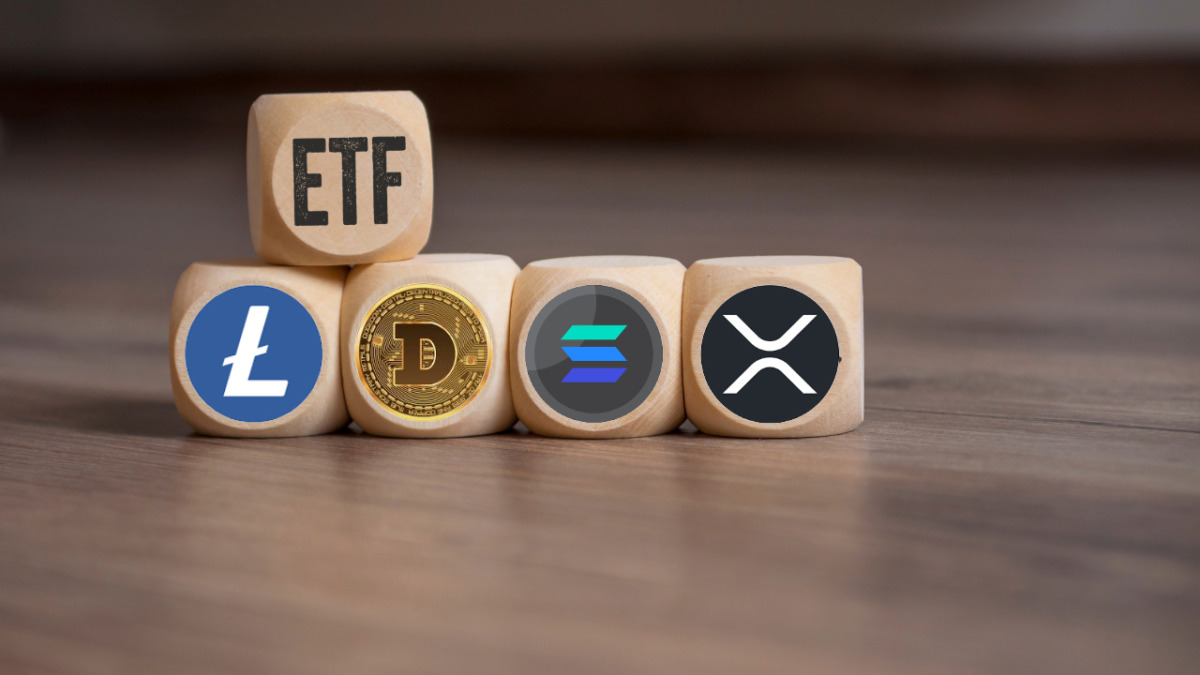
Complete the KYC (Know Your Customer) process. This is a legal requirement for all regulated financial institutions in the US. You will upload a government ID and possibly a selfie. Do not proceed until your account status is "active."
Search for the ETF ticker. Choose a "limit order" to set the maximum price you are willing to pay. This protects you from sudden price spikes during high volatility. Enter the number of shares and confirm the trade.
Crypto ETFs can be volatile. Set up alerts for price changes. Review your portfolio quarterly to ensure the allocation matches your risk tolerance. Rebalance by selling some shares if the crypto portion has grown too large relative to your other assets.
Tax implications to know
Crypto ETFs are taxed differently than holding the actual coin. In the US, most spot crypto ETFs are structured as grantor trusts, meaning you report capital gains on your tax return just like stocks. This is simpler than tracking wallet transactions. However, rules vary by country. Consult a tax professional to understand your specific obligations.
Safety checklist
Before buying, run through this quick due diligence list:
-
Verify the ETF is registered with the SEC.
-
Check the expense ratio (aim for under 0.5%).
-
Confirm your brokerage supports the specific ETF.
-
Ensure you understand the tax reporting requirements.
-
Start with a small position to test the platform.
No comments yet. Be the first to share your thoughts!