

In the ever-shifting sands of financial markets, where capital flows dictate the rhythm of asset prices, a notable pivot has emerged in the spot Bitcoin ETF landscape. Over three trading sessions from Tuesday through Thursday, U. S. spot Bitcoin exchange-traded funds absorbed approximately $1.02 billion in net inflows, snapping a grueling five-week outflow streak that drained over $3.8 billion. BlackRock's iShares Bitcoin Trust (IBIT), trading at $37.19, spearheaded this resurgence with $275.82 million pouring in on Thursday alone. This spot Bitcoin ETF inflows surge arrives as Bitcoin hovers around $65,856, down 2.33% from the prior close, underscoring a classic decoupling of flows from spot price volatility.
Markets, after all, are stories woven from institutional narratives. The prior outflow period reflected a macro-driven de-risking phase, with investors shedding exposure amid heightened volatility and broader equity pressures. Yet this abrupt Bitcoin ETF $1B surge signals a recalibration, as funds from Fidelity and even Grayscale joined the fray, hinting at renewed institutional Bitcoin ETF buying. BlackRock's dominance here isn't coincidental; IBIT has become the vessel of choice for sophisticated allocators navigating Bitcoin's maturation as a portfolio staple.
Decoding the Outflow Streak and Swift Reversal
The five-week hemorrhage of $3.8 billion wasn't merely a blip; it echoed deeper macroeconomic tremors. Picture institutional desks grappling with sticky inflation data, escalating geopolitical frictions, and a U. S. dollar flexing its safe-haven muscles. Spot Bitcoin ETFs, once darlings of the post-approval era, faced redemption pressures as allocations shifted toward traditional havens. Data from Farside Investors paints a stark picture: consistent daily outflows eroded assets under management, testing the resilience of this nascent product class.
Then, the tide turned. Tuesday marked the inflection, with inflows accelerating through Thursday. This $1.02 billion haul isn't isolated; historical parallels show such bursts preceding price stabilizations or rallies. Bitcoin, at $65,856, reflects tempered optimism, but the flow dynamics suggest underlying accumulation beneath the surface dip. Grayscale's pivot to inflows, albeit modest, further bolsters the case for broad-based re-engagement.
BlackRock IBIT's Commanding Role in the Surge
At the epicenter stands BlackRock's IBIT, whose BlackRock IBIT inflows have redefined ETF leadership. Thursday's $275.82 million influx caps a three-day haul that positions it as the undisputed frontrunner, echoing patterns seen in prior cycles. Since inception, IBIT has amassed unparalleled assets, underscoring BlackRock's alchemy in blending Wall Street credibility with crypto's frontier appeal. Trading at $37.19 with a 24-hour dip of 4.87%, it mirrors Bitcoin's $65,856 price action yet attracts flows undeterred by short-term noise.
This isn't retail frenzy; metrics point to institutional heavyweights reallocating post-de-risking. Fidelity's contributions, alongside slimmer gains elsewhere, paint a picture of diversified yet IBIT-centric demand. In a macro lens, IBIT's pull reflects Bitcoin's evolution from speculative punt to strategic reserve asset, much like gold's institutional embrace decades ago. Yet questions linger: Is this a tactical dip-buy, or the onset of sustained quarterly inflows?
Macro Tailwinds Fueling Institutional Re-Entry
Zoom out, and the inflows align with softening macro headwinds. Federal Reserve signals of measured easing, coupled with Bitcoin's halving cycle tailwinds lingering into 2026, create fertile ground for IBIT ETF performance 2026 upside. Institutional sentiment, once soured by outflow streaks, now tilts toward cautious accumulation. Think pension funds and sovereign vehicles dipping toes back in, leveraging ETFs as low-friction proxies for direct custody.
Bitcoin's perch at $65,856 encapsulates this tension: downside from equity correlations, upside from scarcity narratives amplified by ETF wrappers. The $1.02 billion infusion over three days isn't just liquidity; it's a vote of confidence in Bitcoin's macro role amid fiat debasement debates.
Bitcoin (BTC) Price Prediction 2027-2032
Long-term forecasts based on $1B ETF inflows surge led by BlackRock IBIT, institutional adoption, halvings, and market cycles. Baseline: BTC ~$65,856 (Feb 2026). Short-term: 7-day range $62,000-$70,000; 30-day $60,000-$78,000 (bullish on inflows).
| Year | Minimum Price (USD) | Average Price (USD) | Maximum Price (USD) | Est. YoY Growth (Avg from prior year) |
|---|---|---|---|---|
| 2027 | $75,000 | $120,000 | $220,000 | +71% |
| 2028 | $130,000 | $220,000 | $400,000 | +83% |
| 2029 | $200,000 | $350,000 | $600,000 | +59% |
| 2030 | $280,000 | $480,000 | $800,000 | +37% |
| 2031 | $400,000 | $650,000 | $1,000,000 | +35% |
| 2032 | $500,000 | $850,000 | $1,400,000 | +31% |
Price Prediction Summary
Bitcoin's outlook is strongly bullish long-term, with average prices climbing from $120K in 2027 to $850K by 2032 amid ETF-driven institutional inflows, 2028 halving, regulatory tailwinds, and adoption growth. Min/Max capture bearish corrections and extreme bull scenarios; short-term upside from recent $1B inflows.
Key Factors Affecting Bitcoin Price
- $1B+ ETF inflows in 3 days (IBIT $276M on Thursday), reversing $3.8B outflows, signaling institutional re-accumulation
- 2028 Bitcoin halving to reduce supply issuance, historically sparking bull markets
- Regulatory progress (e.g., clearer U.S. frameworks) and nation-state BTC reserves boosting legitimacy
- Scalability improvements (Layer 2, Ordinals) enhancing utility and network effects
- Macro tailwinds: inflation hedging, potential Fed rate cuts, vs. risks from recessions/regulation
- Historical 4-year cycles and BTC dominance supporting progressive price appreciation
Disclaimer: Cryptocurrency price predictions are speculative and based on current market analysis. Actual prices may vary significantly due to market volatility, regulatory changes, and other factors. Always do your own research before making investment decisions.
These inflows, modest against 2025's towering $21.4 billion Bitcoin ETF cumulative, nonetheless pierce the macro fog. U. S. spot crypto ETFs raked in $32 billion overall last year, with Bitcoin funds claiming the bulk. Yet 2026's early stutter tested convictions, only for this $1.02 billion jolt to reaffirm Bitcoin's gravitational pull on capital.
Historical Echoes of Billion-Dollar Bursts
Past surges offer a macro playbook. U. S. BTC ETFs have notched $1 billion-plus inflows six times before, per CoinDesk data, often presaging multi-week rallies or at least price floors. Recall post-launch frenzies or halving aftermaths; each time, BlackRock's IBIT loomed large, channeling institutional Bitcoin ETF buying into tangible demand. This instance diverges slightly, arriving post-outflow nadir rather than euphoria peak, suggesting a more seasoned, dip-fueled re-entry.
Contrast the recent $1.58 billion three-day outflow streak earlier this week, which evaporated liquidity amid Wall Street caution. BlackRock IBIT's rare zero-inflow day since January 2024 launch underscored the depth of that pullback. Now, with $65,856 as Bitcoin's anchor, the reversal hints at cycle maturation: outflows purge weak hands, inflows reward the patient. For IBIT ETF performance 2026, this positions it as a bellwether, its $37.19 share price embodying resilience amid 4.87% daily pressure.
U.S. Spot Bitcoin ETF 3-Day Net Inflows (Tuesday-Thursday)
| Fund | Net Inflows |
|---|---|
| BlackRock IBIT | $275.82M (Thursday) 📈 |
| Fidelity FBTC | Positive 📈 |
| Grayscale GBTC | Positive 📈 |
| Others | Positive 📈 |
| Total | $1.02B 🚀 |
Institutional Sentiments and Broader ETF Ecosystem
Beyond BlackRock, the surge reveals a chorus of institutional recalibration. Fidelity's Wise Origin fund posted strong gains, while Grayscale clawed back from redemption woes. This spot Bitcoin ETF inflows breadth counters narratives of IBIT monopoly, pointing to diversified demand. Sovereign funds, like those from Abu Dhabi reportedly holding $1 billion in IBIT, exemplify global appetite; such allocations underscore Bitcoin's ascent as a non-sovereign reserve.
Zoom to the ecosystem: Ether ETFs saw outflows, with BlackRock's ETHA shouldering much of the $286.9 million hit, highlighting Bitcoin's primacy in risk-off rotations. Macro forces, from Fed easing whispers to dollar strength ebbs, amplify this. Investors flock to Bitcoin ETFs as proxies, sidestepping custody complexities while betting on scarcity amid fiat erosion.
Top 5 Drivers of $1B ETF Surge
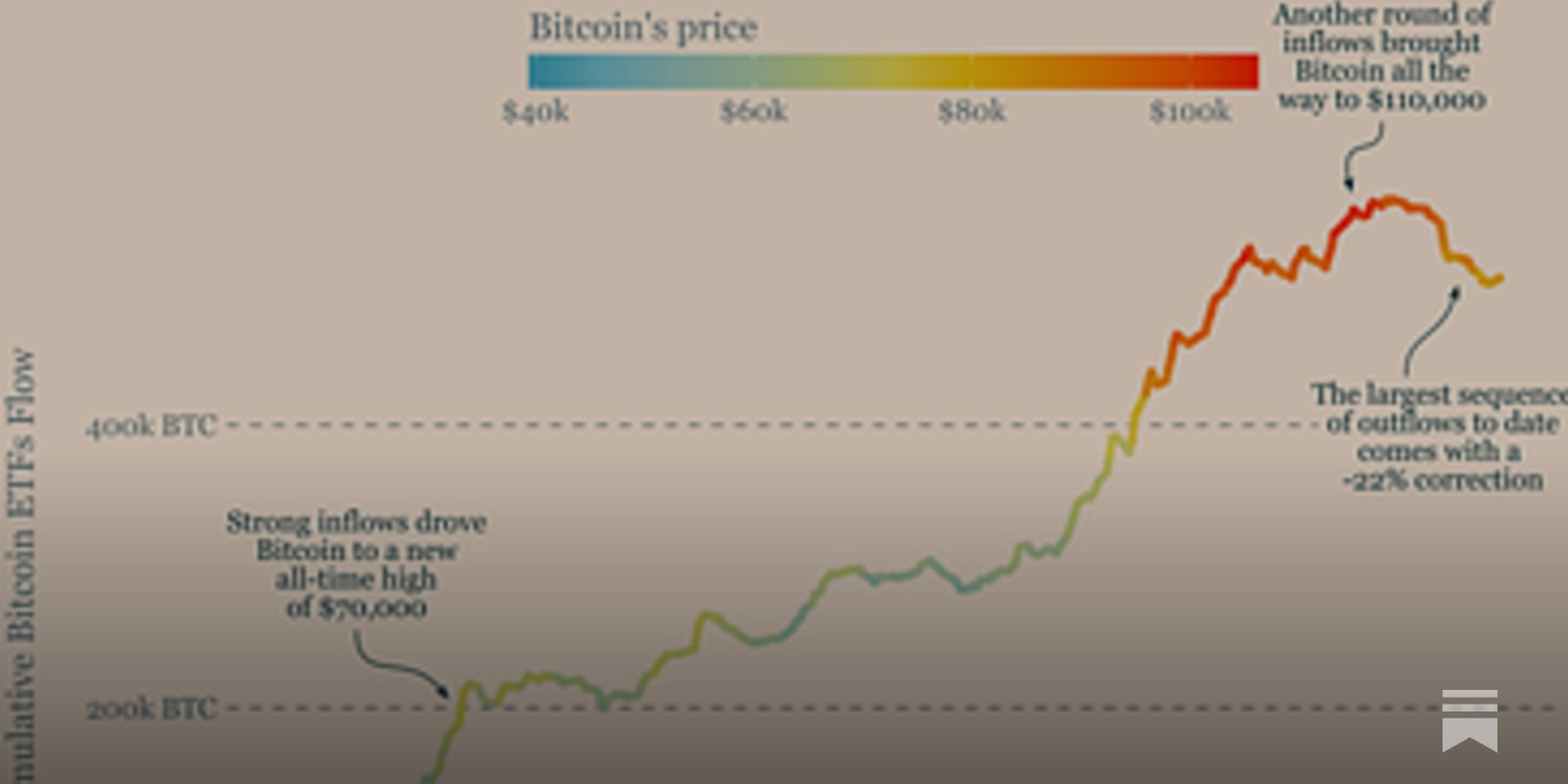
- 1. Post-outflow dip buying: After five weeks of $3.8B net outflows, U.S. spot Bitcoin ETFs reversed with $1.02B inflows over three days (Tue-Thu), as investors accumulated BTC at ~$65,856, signaling bottom-fishing amid volatility.
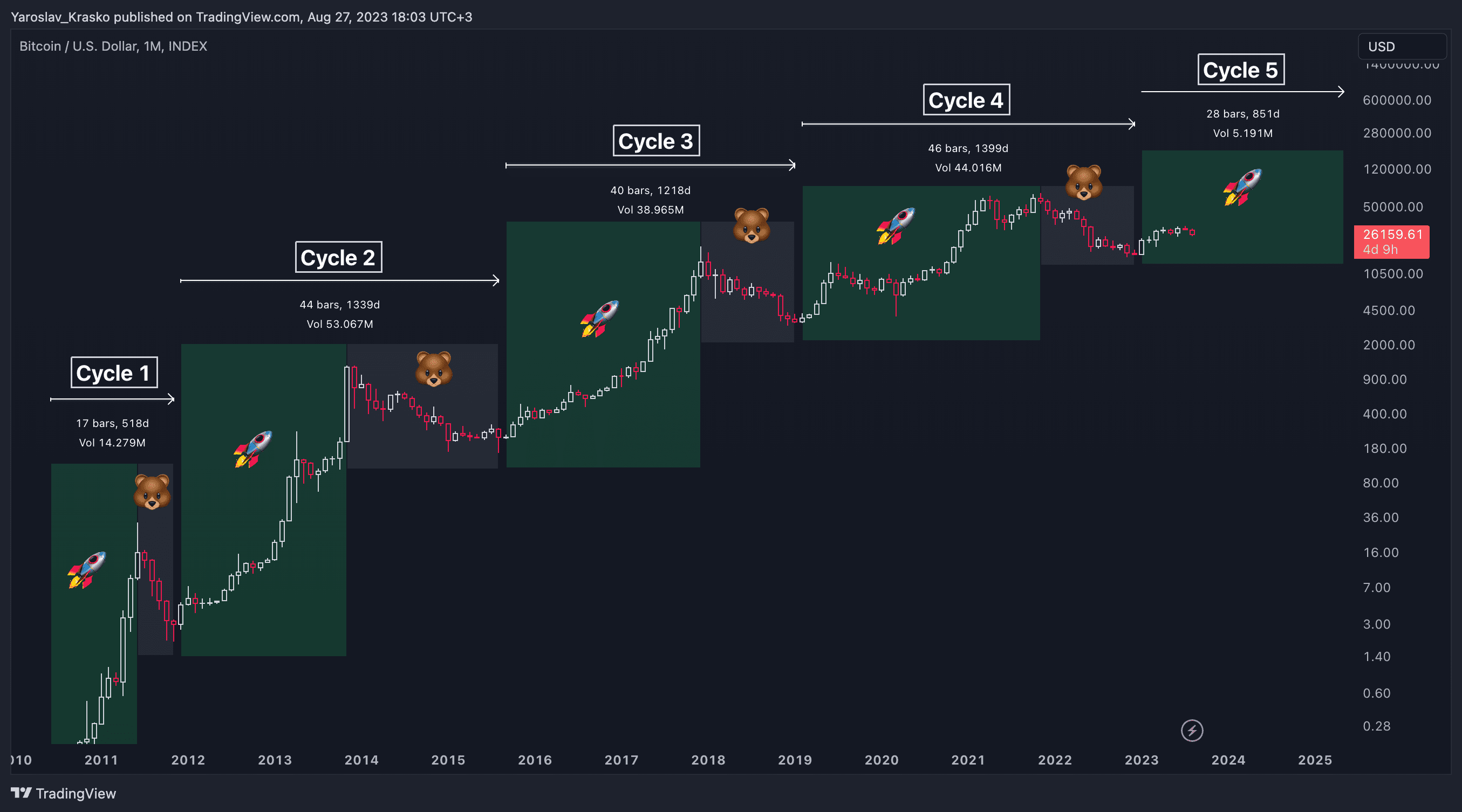
- 2. Halving cycle momentum: Post-April 2024 Bitcoin halving, historical patterns show supply shocks driving bull cycles; recent inflows align with accumulation phase, boosting ETF demand as BTC hovers at $65,856.
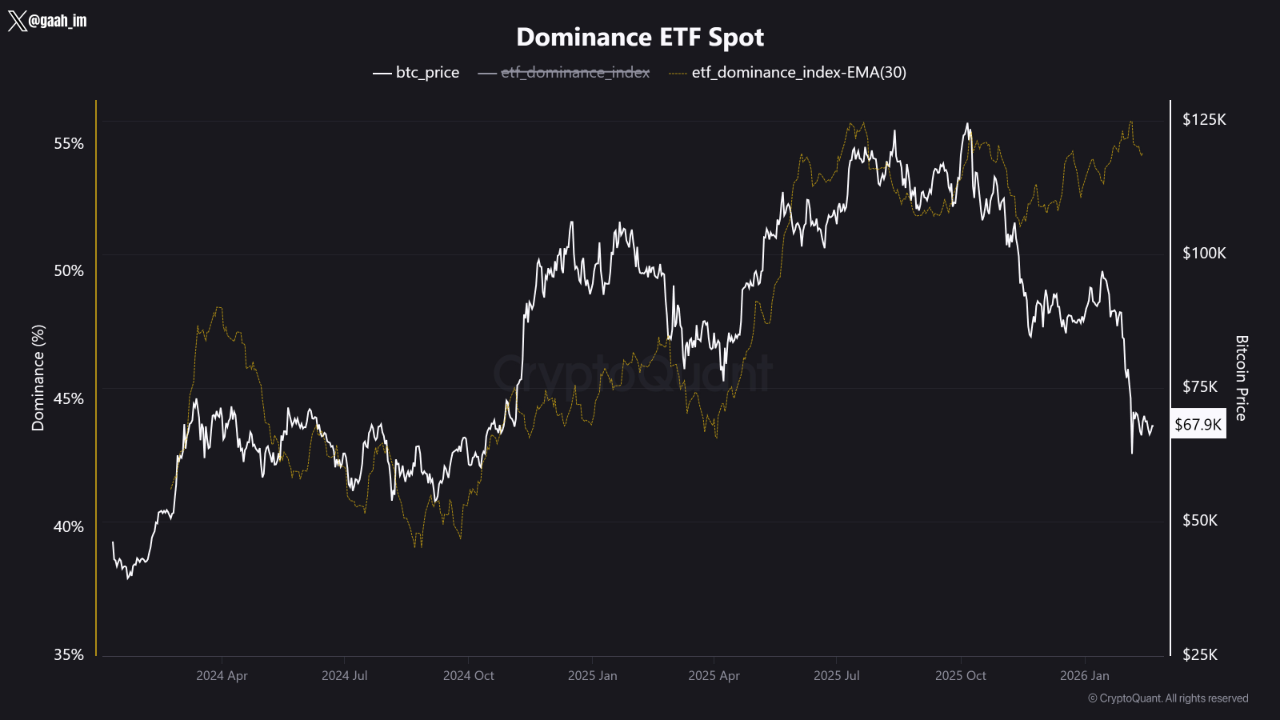
- 3. Institutional reallocation: Institutions shifted from de-risking to cautious accumulation, with BlackRock's IBIT drawing $275.82M Thursday alone; reports note Abu Dhabi funds holding $1B in IBIT, reflecting broader portfolio pivots.
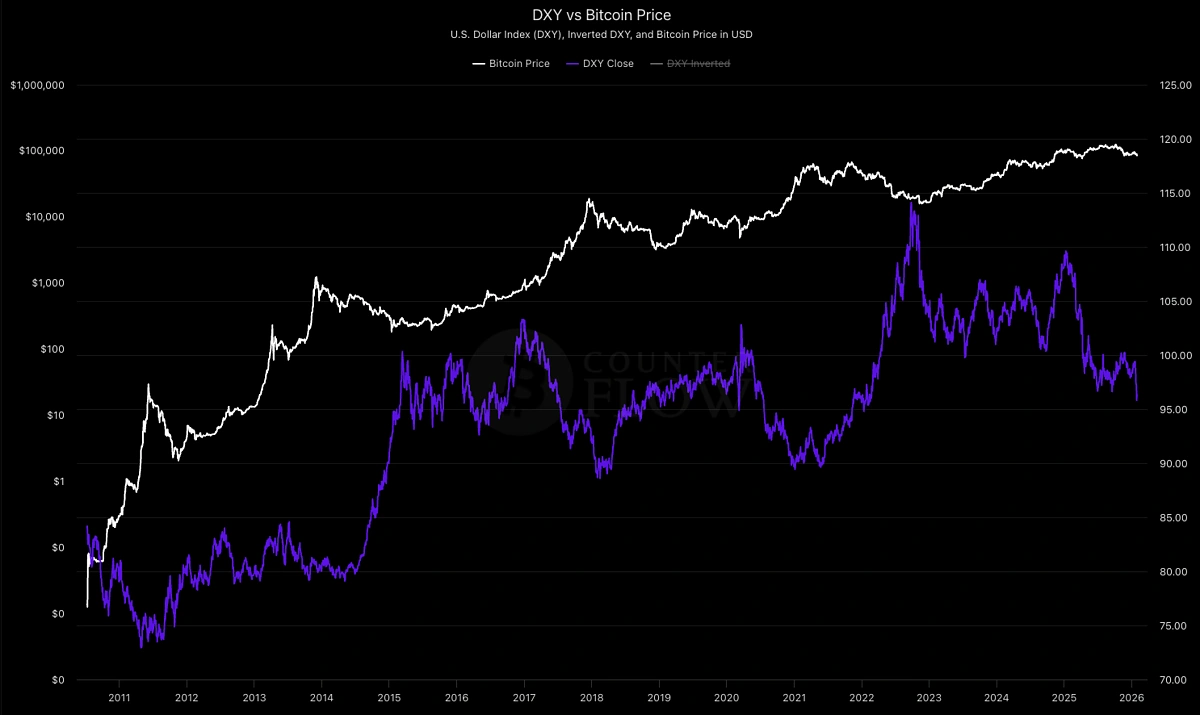
- 4. Macro easing signals: Expectations of Fed rate cuts and easing monetary policy spurred risk-on sentiment, reversing prior outflows amid improving macro backdrop, fueling $1.02B ETF inflows as BTC trades ~$65,856.
- 5. IBIT's liquidity edge: BlackRock's IBIT led with massive inflows post-streak (e.g., $275.82M Thursday), its superior liquidity and AUM drawing flows over rivals like Fidelity FBTC.
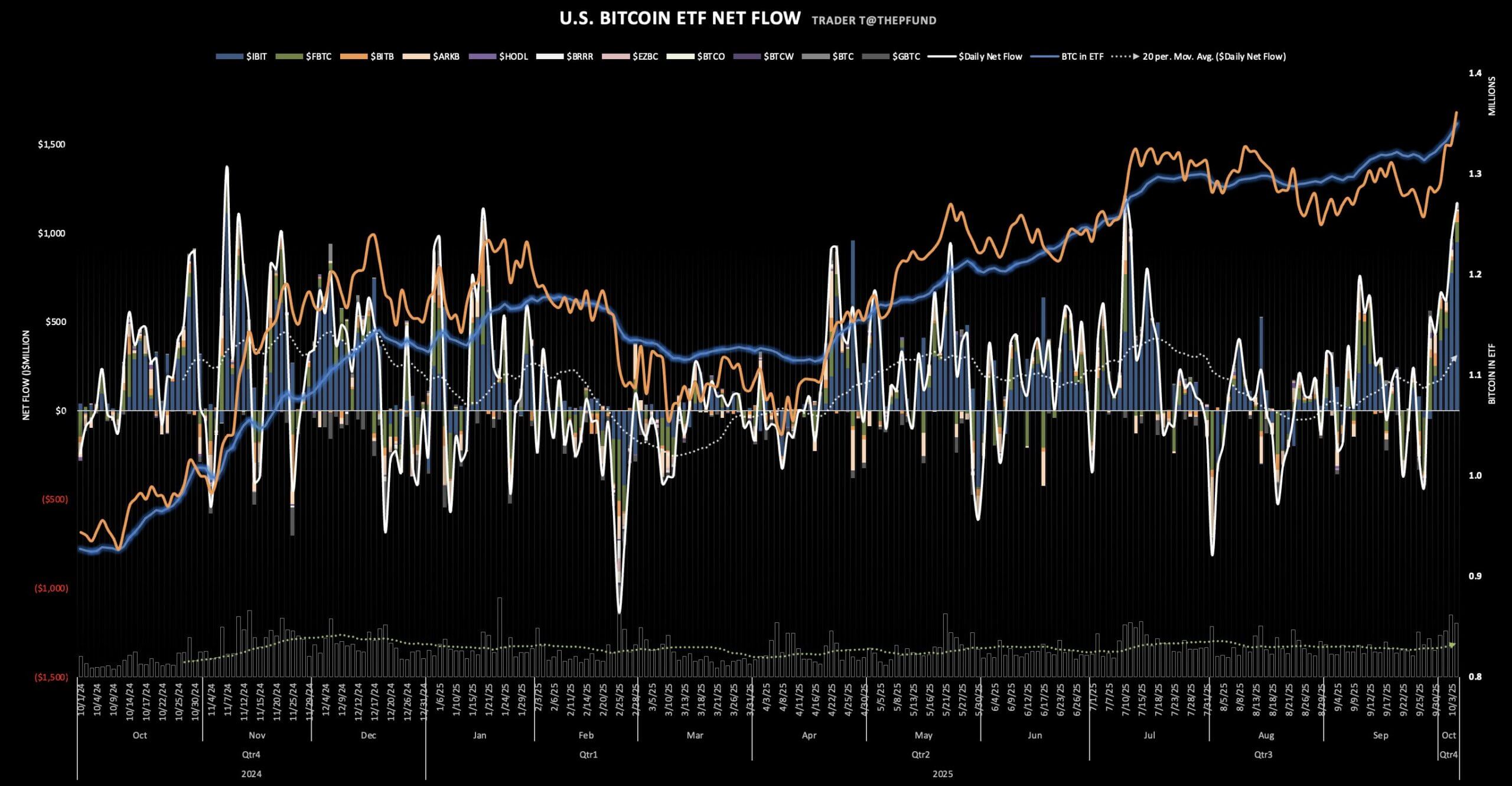
Yet conviction demands scrutiny. Is this Bitcoin ETF $1B surge a fleeting tactical grab, or genesis of quarterly momentum? Metrics favor the latter: daily volumes stabilizing, open interest climbing subtly. BlackRock's IBIT, with its BlackRock IBIT inflows torque, amplifies every basis point of sentiment shift into Bitcoin's $65,856 orbit.
Markets reward those reading the flows between lines. This $1.02 billion pivot, led by IBIT at $37.19, recasts Bitcoin not as volatility plaything but macro contender. As 2026 unfolds, watch these vessels: they chart capital's verdict on digital gold's tenure in portfolios worldwide. With volatility as companion, the story presses on, inflows etching the next chapter.




No comments yet. Be the first to share your thoughts!