Spot crypto ETFs in 2026
The landscape for spot crypto ETFs has matured significantly. In 2026, these funds offer direct ownership of digital assets like Bitcoin, Solana, and XRP, rather than exposure to futures contracts. This distinction matters because spot ETFs track the current market price of the underlying asset, removing the complexity and cost drag associated with rolling futures positions.
Investors can now hold these assets in traditional brokerage accounts, retirement plans, and other regulated vehicles. This accessibility has drawn institutional capital into the sector, increasing liquidity and stabilizing price discovery. The shift from futures to spot products represents a fundamental change in how digital assets are integrated into mainstream portfolios.
Tracking Bitcoin's performance
To understand the baseline for these investments, it helps to look at the leading Bitcoin ETF. The iShares Bitcoin Trust (IBIT) is one of the largest and most liquid spot Bitcoin ETFs. Its performance reflects the broader movement of the Bitcoin market, providing a clear view of how spot ETFs track their underlying asset.
This chart shows the recent price action and trading volume for IBIT. The volume bars help illustrate investor interest and market activity. Watching these metrics can provide context for how spot ETFs respond to broader market news and regulatory developments.
Best spot Bitcoin ETFs
Spot Bitcoin ETFs have consolidated into a few dominant vehicles, making the choice largely about cost and liquidity rather than product structure. For core portfolio exposure, the iShares Bitcoin Trust (IBIT) and Fidelity Wise Origin Bitcoin Fund (FBTC) serve as the primary benchmarks, offering deep liquidity and institutional-grade security.
The iShares Bitcoin Trust stands out for its balance of low fees and massive trading volume. With an expense ratio of 0.25%, it remains one of the most cost-effective ways to hold Bitcoin in a brokerage account. Its scale ensures tight bid-ask spreads, which is critical for investors executing large trades without slippage.
Fidelity offers a direct competitor with the Wise Origin Bitcoin Fund. While its fee structure is slightly different, it provides robust infrastructure for long-term holders. For those prioritizing the absolute lowest cost, smaller funds like MSBT (0.14%) exist, but they often lack the daily liquidity required for active portfolio management.
| Fund | Ticker | Expense Ratio | Issuer |
|---|---|---|---|
| iShares Bitcoin Trust | IBIT | 0.25% | BlackRock |
| Fidelity Wise Origin Bitcoin Fund | FBTC | 0.25% | Fidelity |
| Grayscale Bitcoin Trust | BTC | 1.50% | Grayscale |
| Vanguard Bitcoin ETF | VBTC | 0.19% | Vanguard |
For real-time valuation context, spot Bitcoin ETFs track the underlying asset closely. Monitoring the live price of Bitcoin helps investors time entries and understand the net asset value (NAV) fluctuations of these funds.
When selecting a Bitcoin ETF, prioritize funds with daily trading volumes exceeding $100 million to ensure you can enter or exit positions efficiently. Avoid legacy vehicles with high expense ratios above 1%, as these fees erode long-term returns significantly. The difference between a 0.25% and a 1.50% fee is substantial over a multi-year holding period.
Ethereum and Altcoin ETF Options
Spot Ethereum ETFs (ETHA) have opened the door for institutional and retail investors to gain direct exposure to Ether without managing private keys. Unlike the leveraged and inverse products that dominated early crypto ETF trading, these spot funds track the actual price of ETH, mirroring the structure of the earlier Bitcoin spot approvals. The iShares Ethereum Trust ETF (ETHA) and similar offerings from issuers like BlackRock and Fidelity now compete for assets under management, offering lower expense ratios than their legacy trust counterparts.
Beyond Ethereum, the regulatory landscape for altcoin ETFs remains restrictive. While the SEC has approved spot Bitcoin and Ethereum funds, applications for Solana and XRP spot ETFs are still pending or under review. This creates a clear hierarchy: Ethereum funds are currently accessible, while Solana and XRP investors must rely on futures-based ETFs or indirect exposure through broader crypto index funds like the CoinDesk 20 Index. The SEC’s cautious stance on altcoins highlights the ongoing distinction between established digital assets and those still navigating securities classification.
For investors seeking broader altcoin exposure, futures-based ETFs offer a workaround, though they come with contango risks that can erode long-term returns. As regulatory clarity improves, spot Solana and XRP ETFs may follow the Ethereum path, but until then, the market is defined by the availability of ETH products and the speculative anticipation of future approvals. Monitoring SEC filings and official issuer announcements is essential for timing entry into these emerging asset classes.
How to pick a crypto ETF
Choosing a crypto ETF isn't about predicting which coin will moon; it's about selecting the most efficient vehicle to hold that asset. The goal is to minimize the drag on your returns while ensuring your assets are secure. Focus on three pillars: expense ratios, issuer reputation, and liquidity.
Expense ratios matter most
Crypto ETFs charge annual fees to manage custody and trading. These fees compound over time, eating into your long-term gains. For spot Bitcoin ETFs, fees have compressed significantly. Funds like 21Shares Core Bitcoin ETF (IBIT) and Grayscale Bitcoin Mini Trust (BTC) trade at 0.25% and 0.15% respectively, while others like Bitwise Bitcoin ETF (BTCW) offer rates as low as 0.14%. Always compare these percentages directly. A 0.10% difference sounds small, but over a decade, it can mean thousands of dollars in preserved capital.
Issuer reputation and custody
Not all issuers are created equal. Stick to established financial institutions with proven track records in traditional finance. BlackRock, Fidelity, and VanEck have robust compliance frameworks. More importantly, verify their custody solutions. Who holds the private keys? Reputable ETFs use qualified custodians like Coinbase Prime or BitGo, ensuring that the underlying crypto is segregated and secure. Avoid funds with opaque custody arrangements or those issued by unfamiliar fintech startups.
Liquidity and spreads
An ETF is only as good as its ability to let you enter and exit positions at fair prices. Look for high average daily trading volume and tight bid-ask spreads. High liquidity means you won't pay a premium to buy or suffer a discount to sell. While spot Bitcoin ETFs generally offer excellent liquidity, altcoin ETFs (like Solana or XRP) may have wider spreads. Check the volume before committing capital. If the spread is wide, you're effectively paying a hidden transaction fee.
Evaluation Checklist
Use this checklist to compare potential crypto ETFs:
-
Expense Ratio: Is it among the lowest in its category?
-
Issuer: Is it a major, regulated financial institution?
-
Custody: Are private keys held by a qualified, third-party custodian?
-
Liquidity: Does it have high daily volume and tight bid-ask spreads?
-
Tracking Error: Does it closely follow the underlying asset's price?
Secure Your Crypto ETF Strategy
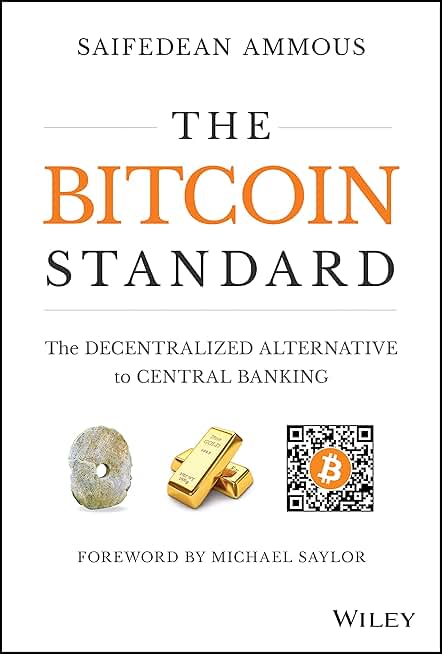
Buying ETFs removes the headache of managing private keys, but the broader crypto ecosystem remains volatile. Protecting your digital assets requires a layered approach. You need reliable hardware to store long-term holdings and clear educational resources to understand the market cycles.
The following tools and guides help you build a secure foundation for your 2026 portfolio. These items focus on physical security and knowledge, ensuring your investments remain safe from both digital threats and poor decision-making.



As an Amazon Associate, we may earn from qualifying purchases.
No comments yet. Be the first to share your thoughts!