
On September 18,2025, the U. S. Securities and Exchange Commission (SEC) made a pivotal move by approving new generic listing standards for spot cryptocurrency exchange-traded funds (ETFs). This rule change is not just a procedural update - it’s a structural shift that could redefine how quickly digital asset ETFs, especially those tracking altcoins like Solana (SOL) and XRP, reach the U. S. market. The SEC’s decision reduces approval timelines from a drawn-out 240 days to as little as 75 days, removing longstanding bottlenecks for both exchanges and asset managers. As the regulatory landscape transforms, investors are bracing for a surge of upcoming crypto ETFs that promise broader exposure beyond Bitcoin.
Why Generic Listing Standards Are a Game Changer
The previous SEC framework required every spot crypto ETF to undergo a case-by-case review, often involving dual filings from both the exchange and the fund issuer. This cumbersome process stifled innovation and delayed market access to promising altcoins. Now, under the new generic listing standards, exchanges such as NYSE, Nasdaq, and Cboe can list spot digital asset-backed funds provided they meet predefined criteria - eliminating much of the regulatory uncertainty that previously hampered product launches.
This streamlined approach is more than just administrative efficiency; it signals growing institutional confidence in crypto ETF regulation. According to Reuters, industry leaders expect this policy shift to catalyze rapid growth in altcoin ETF offerings as soon as October 2025. The impact on market accessibility and investor choice cannot be overstated.
How Speedier Approvals Will Accelerate Altcoin ETF Launches
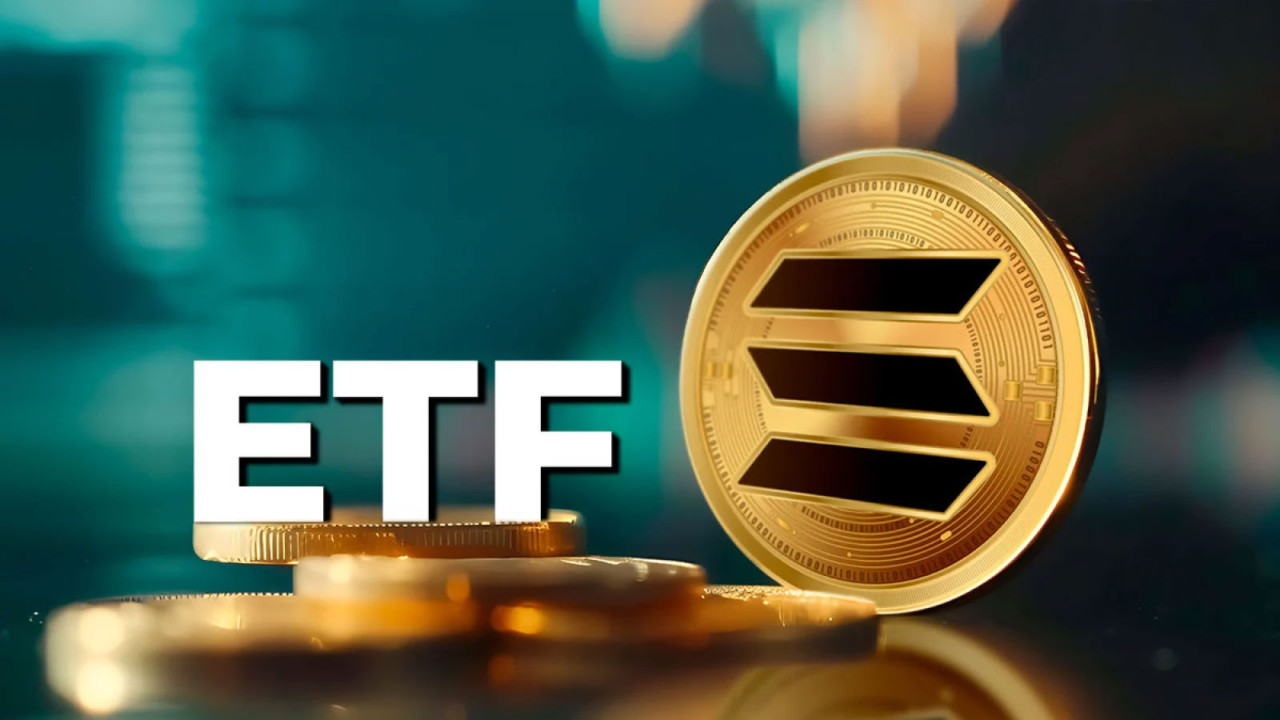
By reducing regulatory friction, the SEC’s generic approval standards are set to unleash a flurry of new products focused on cryptocurrencies beyond Bitcoin and Ethereum. The timeline compression from up to 240 days down to just 75 days means asset managers can respond swiftly to investor demand for diversified crypto exposure.
Key implications include:
Top 3 Benefits of SEC's Crypto ETF Approval for Altcoin Investors
- 1. Faster Access to Altcoin ETFsThe SEC’s new generic listing standards reduce ETF approval timelines from up to 240 days to as little as 75 days. This means investors can access new altcoin ETFs—such as those tracking Solana (SOL) and XRP—much sooner, enabling quicker portfolio diversification and timely market participation.
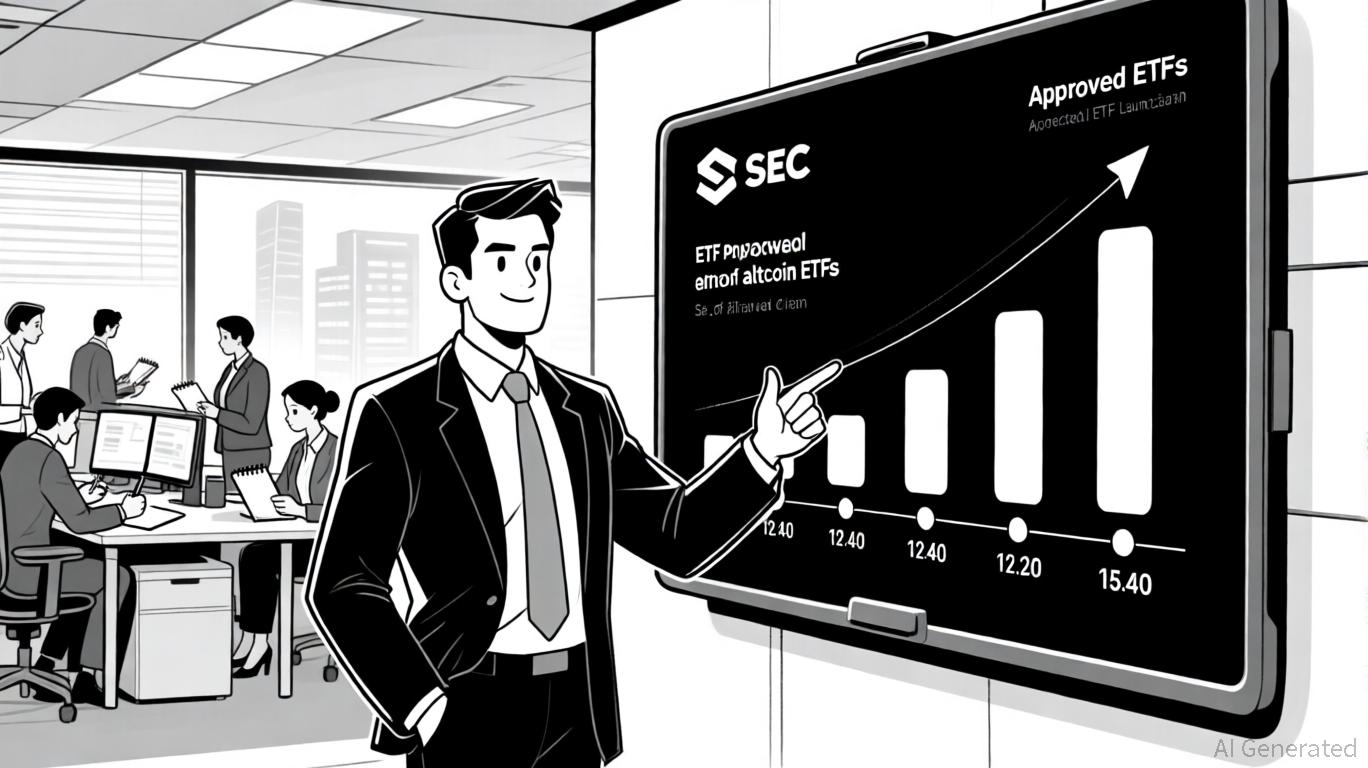
- 2. Greater Market Diversity and ChoiceWith streamlined approvals, exchanges like NYSE, Nasdaq, and Cboe Global Markets can list a wider variety of spot crypto ETFs. This opens the door for investors to gain regulated exposure to multiple altcoins beyond Bitcoin and Ethereum, fostering broader market participation and innovation.
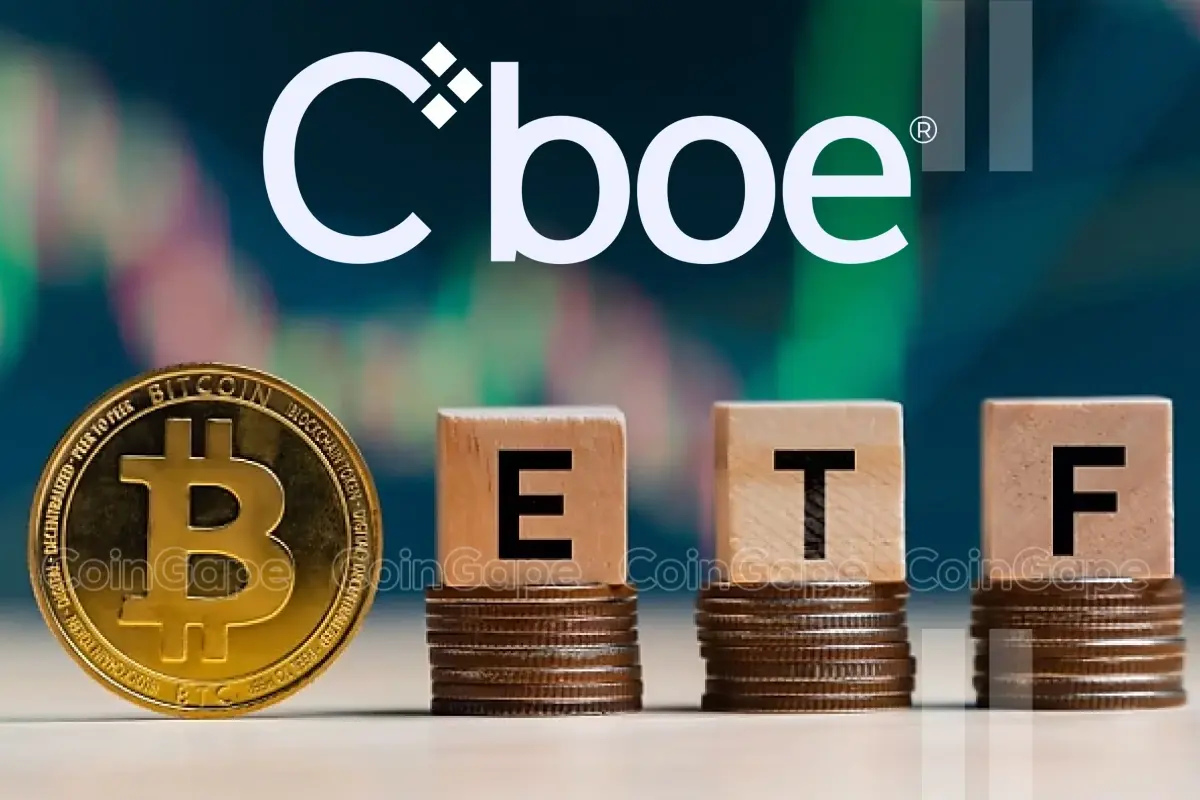
- 3. Enhanced Institutional Adoption and LiquidityThe simplified framework is expected to attract more institutional investors by providing clear, regulated pathways to invest in altcoins via ETFs. Increased institutional participation can boost liquidity, improve price discovery, and potentially stabilize the altcoin markets.

The first wave is expected to feature ETFs tracking Solana (SOL) and XRP, two assets that have consistently ranked among the most requested by institutional clients seeking alternatives to established blue chips. As highlighted by CNBC, these launches could materialize within weeks of the rule change - an unprecedented acceleration in product rollout.
Institutional Adoption: What Changes Now?
The SEC’s decision aligns with broader efforts under current U. S. policy to integrate digital assets into mainstream finance while maintaining robust investor protections. Asset managers now face fewer procedural hurdles when structuring innovative products that meet clear-cut eligibility requirements.
This policy evolution is expected to drive increased institutional adoption by lowering barriers for entry into regulated crypto investment vehicles. With more efficient pathways for launching compliant products, traditional financial players can now compete in offering diversified exposure through regulated channels - accelerating market maturity.
For investors, this translates to a more dynamic marketplace with greater choice and transparency. The presence of altcoin ETFs on major U. S. exchanges will not only make it simpler to allocate capital to emerging blockchain ecosystems but also provide the liquidity, price discovery, and risk controls that institutional investors require. As a result, we are likely to see a wave of inflows from pension funds, endowments, and other large allocators who were previously sidelined by regulatory ambiguity.
What to Expect From Upcoming Crypto ETFs
With generic listing standards in place, the next few months could see a rapid succession of ETF filings and launches featuring a broader spectrum of digital assets. Early indications point to Solana (SOL) and XRP as frontrunners, reflecting both their technological relevance and strong community support. Beyond these leaders, asset managers are already evaluating additional altcoins that demonstrate sufficient liquidity, security, and market demand.
It’s essential for investors to understand that while speedier approvals increase access, they do not compromise on due diligence or compliance. Each new ETF must still meet strict operational and custodial standards, ensuring investor protections remain intact even as the market expands.
The Competitive Landscape: Traditional vs. Crypto-Native Issuers
The regulatory green light is intensifying competition between established ETF providers and crypto-native firms. Traditional asset managers bring decades of experience in fund structuring and distribution networks, while crypto specialists offer deep domain expertise in digital asset markets and custody solutions. Investors should pay close attention to product design differences, such as fee structures, underlying custody arrangements, and index methodologies, as these factors will differentiate winners in the next phase of crypto ETF growth.
Pro Tip: Diversification remains critical. Even with streamlined approvals, thorough research into each ETF’s underlying assets and structure is non-negotiable for prudent portfolio construction.
Which upcoming altcoin ETF are you most interested in?
With the SEC's new rules making it easier and faster to launch crypto ETFs, several altcoin ETFs could hit the market soon. Which one are you most excited about?
Broader Implications for Crypto Markets
The SEC’s approval of generic listing standards marks a definitive step toward normalizing digital assets within global capital markets. As more altcoin ETFs come online under these rules, expect increased correlation between spot crypto prices and traditional financial instruments, a trend that could enhance both market efficiency and risk management tools available to sophisticated investors.
This regulatory milestone also sets a precedent for international markets considering similar frameworks. Jurisdictions like the EU and Singapore may look to the U. S. model as they refine their own approaches to crypto ETF regulation, potentially triggering a global race toward mainstream adoption of tokenized investment products.
Ultimately, the SEC’s move signals an era where timely innovation is balanced with robust oversight, unlocking new possibilities for both issuers and investors navigating the evolving landscape of cryptocurrency ETFs.




No comments yet. Be the first to share your thoughts!