
crypto etf 2026
The landscape for crypto exchange-traded funds has shifted from speculative novelty to institutional infrastructure. By 2026, the market is no longer defined by which funds launch first, but by who holds the deepest liquidity and lowest fees. We evaluated the top five digital asset funds based on three concrete criteria: assets under management as a proxy for market trust, expense ratios for cost efficiency, and underlying asset coverage.
Our selection process prioritizes funds that have demonstrated sustained trading volume and regulatory compliance over high-risk, low-volume alternatives. We focused on Bitcoin and Ethereum-centric products, as these remain the primary vehicles for institutional adoption. The following list ranks these funds by their ability to serve as reliable holdings for long-term portfolios rather than short-term speculative trades.
5 2026 Crypto ETF Landscape: Top 5 Digital Asset Funds for Institutional Adoption
Institutional capital is shifting from speculative exposure to regulated infrastructure, making 2026 a pivotal year for crypto ETF adoption. We evaluate the top five digital asset funds based on custody security, regulatory compliance, and fee structures to identify which vehicles best serve professional portfolios.
1. BlackRock iShares Bitcoin Trust IBIT
BlackRock’s IBIT dominates institutional flows with unmatched liquidity and deep integration into traditional brokerage platforms. Its sheer scale offers unparalleled ease of entry for large portfolios, though the premium trading dynamics can occasionally distort real-time value. This fund serves as the primary benchmark for spot Bitcoin exposure in conventional investment accounts.

2. Fidelity Wise Origin Bitcoin Fund FBTC
Fidelity’s FBTC appeals to conservative investors through its robust security infrastructure and seamless integration with existing Fidelity retirement accounts. The fund eliminates the friction of self-custody while maintaining strict compliance standards that resonate with fiduciary advisors. It provides a trusted, regulated pathway for allocating Bitcoin within traditional 401(k) and IRA structures.
3. Grayscale Bitcoin Mini Trust GBTC
Grayscale’s Mini Trust offers a cost-effective alternative to its flagship trust, significantly reducing the management fees that previously deterred investors. This structure allows for easier roll-over from older, higher-fee vehicles while maintaining Grayscale’s established custody and operational track record. It bridges the gap for investors seeking lower costs without sacrificing the brand’s institutional credibility.
4. Bitwise 10 Crypto Index Fund BITW
BITW diverges from single-asset strategies by tracking a diversified basket of ten major cryptocurrencies, including Bitcoin and Ethereum. This approach mitigates the volatility inherent in holding a single digital asset, offering a broader exposure to the entire digital asset ecosystem. It functions similarly to a traditional index fund, providing balanced risk distribution across the top-performing tokens.

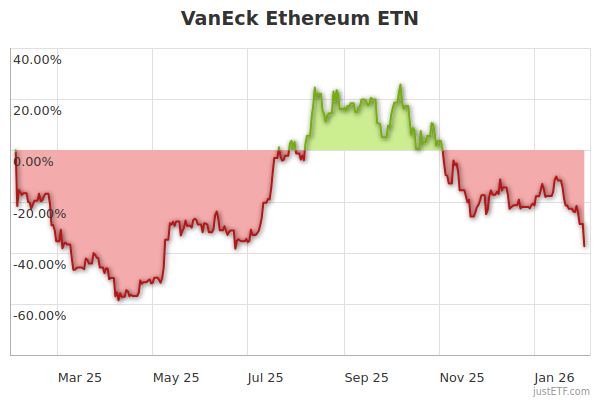
5. VanEck Ethereum ETF ETHE
VanEck’s ETHE provides direct exposure to Ethereum, capturing the value accrual of smart contract platforms and decentralized applications. Unlike Bitcoin-focused funds, this ETF targets the utility-driven growth of the Ethereum network, appealing to investors bullish on Web3 infrastructure. It offers a specialized vehicle for those seeking to participate in the broader technological evolution of blockchain beyond simple store-of-value narratives.
How to Pick the Right Crypto ETF
Choosing a digital asset fund comes down to matching your account structure with the fund's specific fee and liquidity profile. The market has moved past the initial launch hype, and the remaining funds now serve distinct roles for institutional and retail investors.
1. Check the Fee Structure Expense ratios are the primary driver of long-term returns. BlackRock's IBIT leads with deep liquidity but carries a 0.25% fee, while Morgan Stanley's MSBT offers lower-cost Bitcoin exposure at 0.14%. Evaluate whether the premium for IBIT's volume is necessary for your trading frequency.
2. Verify Custody and Compliance Institutional adoption relies on trusted custodians. BlackRock and Fidelity use established institutional-grade custody, while Grayscale's GDLC offers diversified multi-asset exposure. Ensure the fund's custodian aligns with your compliance requirements.
3. Match the Asset to Your Goal Bitcoin remains the anchor, but Ethereum and multi-asset funds offer different risk profiles. BlackRock's ETHA and Fidelity's FETH provide pure Ethereum exposure, while GDLC offers a broader basket. Select the asset that matches your portfolio's risk tolerance.
| Fund | Ticker | Focus | Fee |
|---|---|---|---|
| Bitcoin Mini Trust | BTC | Bitcoin | 0.25% |
| Morgan Stanley Bitcoin Trust | MSBT | Bitcoin | 0.14% |
| BlackRock Ethereum ETF | ETHA | Ethereum | 0.25% |
| Grayscale Digital Large Cap | GDLC | Multi-Asset | 1.50% |



As an Amazon Associate, we may earn from qualifying purchases.
No comments yet. Be the first to share your thoughts!