Ethereum ETF landscape in 2026
The Ethereum ETF market has matured into a structured ecosystem offering distinct pathways for institutional and retail exposure. Unlike the initial launch period, 2026 features a diversified array of products, including spot funds, futures-based funds, and emerging staking-enabled options. This variety allows investors to align their holdings with specific risk tolerances and yield objectives rather than relying on a single tracking mechanism.
Spot Ethereum ETFs remain the dominant choice for those seeking direct correlation with Ether's price movements. These funds hold actual ETH in custody, minimizing the tracking error associated with rolling futures contracts. Meanwhile, futures-based ETFs continue to serve traders focused on short-term tactical positioning or those operating within regulatory frameworks that restrict direct asset custody. The introduction of staking features in select products adds a yield-generating layer, though these come with higher complexity and regulatory scrutiny.
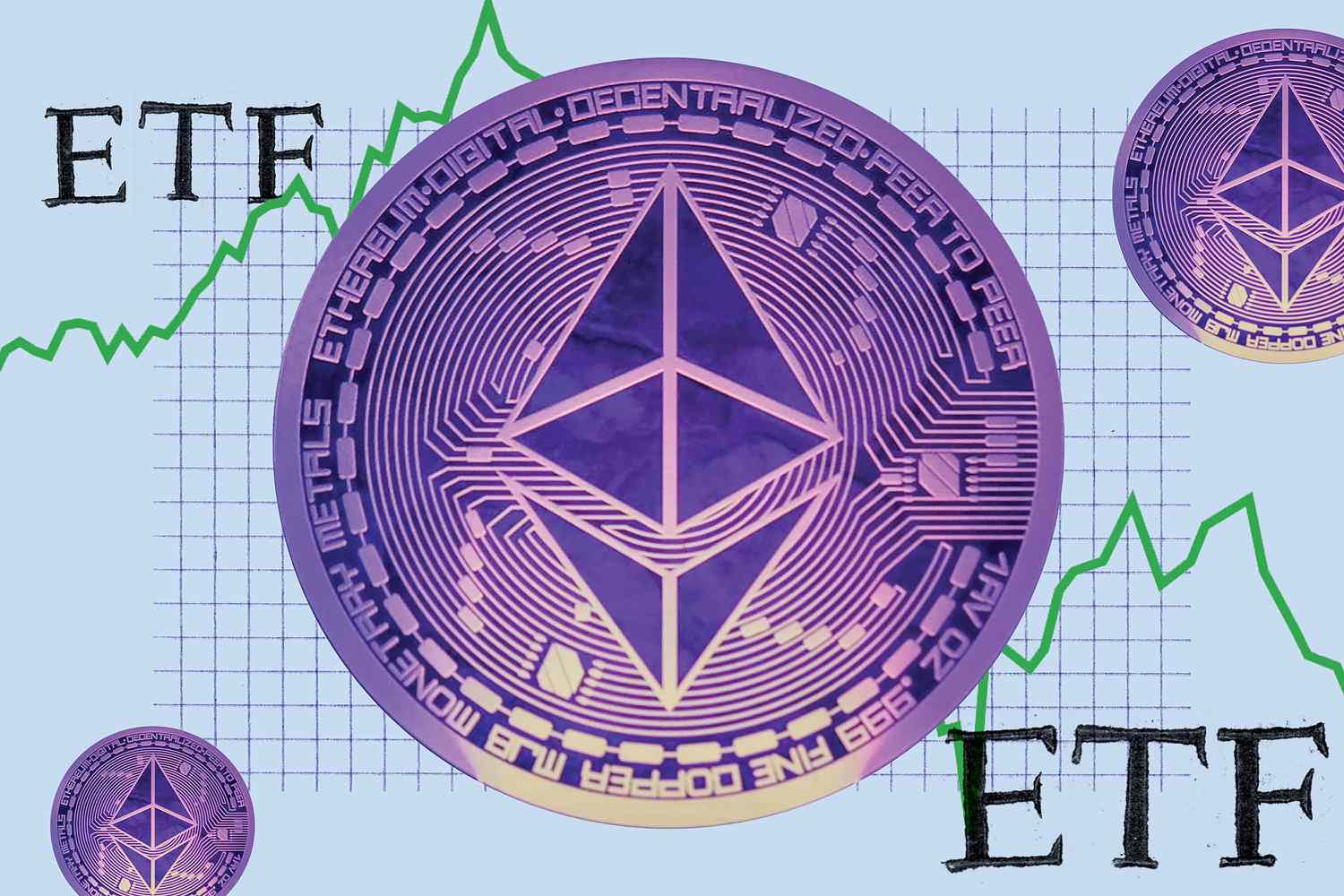
Understanding the underlying structure is essential for accurate asset allocation. Investors must distinguish between the fund's tracking methodology, its fee structure, and its operational custody arrangements. Market data reflects that while spot funds generally capture the purest price exposure, futures funds may experience contango or backwardation effects that impact long-term returns. The following chart illustrates the recent performance context of the underlying asset, providing a baseline for evaluating fund efficiency.
Spot vs. futures Ethereum funds
Ethereum exchange-traded funds (ETFs) fall into two distinct structural categories: spot funds and futures-based funds. The primary difference lies in what the fund actually holds. Spot ETFs purchase and custody the actual Ether (ETH) tokens, while futures ETFs hold contracts that bet on the future price of Ether rather than the asset itself.
Spot ETFs, such as the iShares Ethereum Trust (ETHA), are designed to track the daily price of Ether with minimal deviation. By holding the underlying asset, these funds offer direct exposure to the cryptocurrency. This structure generally provides better tax efficiency and tighter tracking of the asset's actual market value, making it the preferred choice for investors seeking pure price appreciation without the complexities of derivative management.
Futures-based ETFs, which were the first wave of crypto products approved by the SEC, operate differently. These funds trade futures contracts that expire on set dates. To maintain exposure, fund managers must continuously sell expiring contracts and buy new ones, a process known as "rolling." This rolling mechanism can lead to tracking error, particularly in contango markets where future prices are higher than spot prices, potentially eroding long-term returns compared to holding the asset directly.
The following table compares the key structural differences between these two fund types.
| Feature | Spot ETF | Futures ETF |
|---|---|---|
| Underlying Asset | Actual Ether (ETH) | Futures Contracts |
| Tracking Error | Low | Higher due to rolling |
| Tax Efficiency | Generally favorable | Complex K-1 or 60/40 rules |
| Market Exposure | Direct price tracking | Indirect via derivatives |
Staking yields in Ethereum ETFs
Staking transforms Ethereum ETFs from passive holdings into income-generating assets. By participating in the network's proof-of-stake consensus, funds capture yield from transaction fees and validator rewards. This structural advantage distinguishes staked products from spot or futures alternatives, offering a tangible return stream rather than relying solely on price appreciation.
The iShares Staked Ethereum Trust (ETHB) leads this segment, holding staked ETH directly. As of early 2026, BlackRock reports Ethereum maintains the largest developer base of any blockchain, with approximately 11,945 monthly active developers. This network activity underpins the reliability of the staking yield, ensuring the underlying asset remains secure and functional. The fund reinvests these rewards to compound value, though cash distributions are possible depending on fund structure and regulatory guidance.
Regulatory clarity has improved significantly since the initial spot approvals. The SEC now permits staking for certain spot ETFs, provided the custodian and issuer meet strict operational standards. This framework allows investors to access yield without managing private keys or validator nodes. However, not all providers have launched staked products yet; some continue to focus on pure price exposure or futures-based strategies.
Top Ethereum ETF picks for 2026
Selecting an Ethereum ETF requires matching the fund’s structure to your specific goal: maximizing yield, minimizing costs, or achieving pure price exposure. The market has segmented into three distinct paths. The iShares Ethereum Trust (ETHA) and Grayscale Ethereum Mini Trust (ETH) lead in assets under management, offering high liquidity for traders. For investors seeking yield, staking-enabled funds like the Franklin Bitcoin ETF’s Ethereum counterpart (where available) or specific staking trusts provide native token rewards. Meanwhile, lower-cost options like the Valkyrie Ethereum Strategy ETF focus on minimizing expense ratios for long-term holders.
The following table compares the primary options based on fee structure and investment focus. Data is sourced from official fund filings and ETF databases.
1. iShares Ethereum Trust (ETHA)
As the largest spot Ethereum ETF by assets under management, ETHA offers the deepest liquidity. This makes it the preferred choice for active traders and large institutional investors who need to enter or exit positions with minimal slippage. BlackRock’s scale provides confidence in operational stability, though the 0.12% expense ratio is slightly higher than some competitors. For investors prioritizing ease of trading over marginal fee savings, ETHA remains the market standard.
2. Grayscale Ethereum Mini Trust (ETH)
Grayscale’s transition from its premium GBTC trust to the lower-cost Mini Trust (ETH) has made it a strong contender for cost-conscious investors. With an expense ratio of 0.10%, it undercuts several peers while maintaining significant brand recognition. The fund tracks the spot price of Ether directly, offering pure exposure without the complexity of futures roll yields. It is ideal for long-term holders who want a reputable issuer with competitive fees.
3. Valkyrie Ethereum Strategy ETF (EETH)
Valkyrie’s EETH focuses on minimizing costs, matching the 0.10% expense ratio of Grayscale’s Mini Trust. The fund is designed for passive investors who want to hold Ethereum as a long-term asset without paying for active management or unnecessary features. Its straightforward structure and low fee make it an attractive option for buy-and-hold strategies, particularly in tax-advantaged accounts where fees compound over time.
4. Staking-Enabled Options
For investors seeking yield, staking-enabled Ethereum ETFs are emerging as a distinct category. These funds stake the underlying Ether to earn network rewards, which are passed through to shareholders as additional ETH. While not all spot ETFs currently offer staking, funds like the Bitwise Ethereum Staking ETF (where available) or specific staking trusts provide this feature. This option is suitable for long-term holders who want to generate passive income from their Ethereum holdings, though it may involve higher complexity and regulatory scrutiny.


As an Amazon Associate, we may earn from qualifying purchases.
Fees and tax implications
Expense ratios for spot Ethereum ETFs have compressed significantly since their launch, with major issuers like BlackRock (IBIT) and Fidelity (FBTC) charging 0.25%. These fees are deducted daily from the fund’s assets, meaning the net asset value (NAV) reflects the cost after the deduction. While this is higher than the cost of holding ETH in a self-custody wallet, it is substantially lower than the historical fees associated with active management or futures-based structures. Investors should compare these ratios against the specific structure of the fund, as futures-based Ethereum ETFs may carry different cost structures due to roll costs and management overhead.
Tax treatment for Ethereum ETFs in 2026 remains largely consistent with previous years, but recent regulatory guidance has clarified certain reporting requirements. Most Ethereum ETFs are structured as regulated investment companies (RICs), which generally pass through capital gains and dividends to shareholders. This means investors report these distributions on their tax returns, similar to traditional equity ETFs. However, the underlying asset is Ether, a cryptocurrency, which introduces complexities regarding cost basis tracking and potential wash sale rule applications.
The wash sale rule, which disallows losses if a substantially identical security is purchased within 30 days, currently does not apply to cryptocurrencies under federal IRS guidance. However, this is a evolving area of tax law. If you sell an Ethereum ETF at a loss and buy it back within the wash sale window, you may not be able to claim that loss immediately. It is essential to consult a tax professional to understand how these rules apply to your specific situation, especially if you are trading frequently or holding positions across multiple accounts.
To stay informed about the current market conditions that influence these fees and tax strategies, you can monitor the live performance of Ethereum.
No comments yet. Be the first to share your thoughts!