
The 2026 crypto ETF landscape
The crypto exchange-traded fund market has evolved significantly since its inception. In 2026, institutional portfolios are diversifying beyond Bitcoin into Ethereum, Solana, and XRP, reflecting broader acceptance of altcoins as viable asset classes for traditional finance. This shift represents a structural change in how capital flows into digital assets.
While Bitcoin ETFs remain the largest by assets under management, investors now have direct access to Ethereum through funds like BlackRock's ETHA and Fidelity's FETH. These products offer exposure to smart contract capabilities without the technical hurdles of self-custody. The entry of major asset managers into Ethereum and Solana markets has brought institutional-grade compliance and transparency to previously niche sectors.
The market is also seeing increased volatility and investor caution. Recent reports from CNBC highlight record outflows from Bitcoin ETFs, signaling that investors are actively managing risk rather than passively holding. This dynamic environment rewards diversified strategies. Funds like Grayscale's GDLC, which offers multi-asset exposure, are gaining traction as investors seek to balance the high volatility of individual altcoins with the relative stability of established leaders.
The competitive landscape is defined by low-cost options and broad access. Morgan Stanley's MSBT has emerged as a favorite for lowest-cost Bitcoin exposure, appealing to cost-conscious institutional buyers. Meanwhile, the inclusion of Solana and XRP in major ETFs allows investors to capture the growth potential of high-throughput networks and established payment rails. This diversification provides a more resilient entry point for those looking to allocate a portion of their portfolio to digital assets in 2026.
5 Best Crypto ETFs 2026: Solana, XRP, and the Top 5 Picks
Navigating the 2026 crypto ETF landscape requires distinguishing between speculative trends and regulated instruments backed by official filings. This roundup evaluates the top five picks, including Solana and XRP funds, based on primary source data and compliance standards.
1. BlackRock's iShares Bitcoin Trust (IBIT)
BlackRock’s IBIT dominates the market with massive inflows, offering unparalleled liquidity for institutional and retail investors alike. It tracks Bitcoin spot prices directly, providing a streamlined entry into crypto without the hassle of self-custody. Its scale creates a moat that competitors struggle to breach, making it the default choice for those seeking broad market exposure with minimal friction.
2. Fidelity's Ethereum Trust (FETH)
Fidelity’s FETH brings institutional-grade security to Ethereum exposure, tapping into the network’s smart contract utility. This trust allows investors to gain direct price appreciation of ETH while bypassing complex wallet management. With Fidelity’s robust compliance infrastructure, it stands out as a trusted vehicle for those betting on decentralized application growth and staking ecosystems.
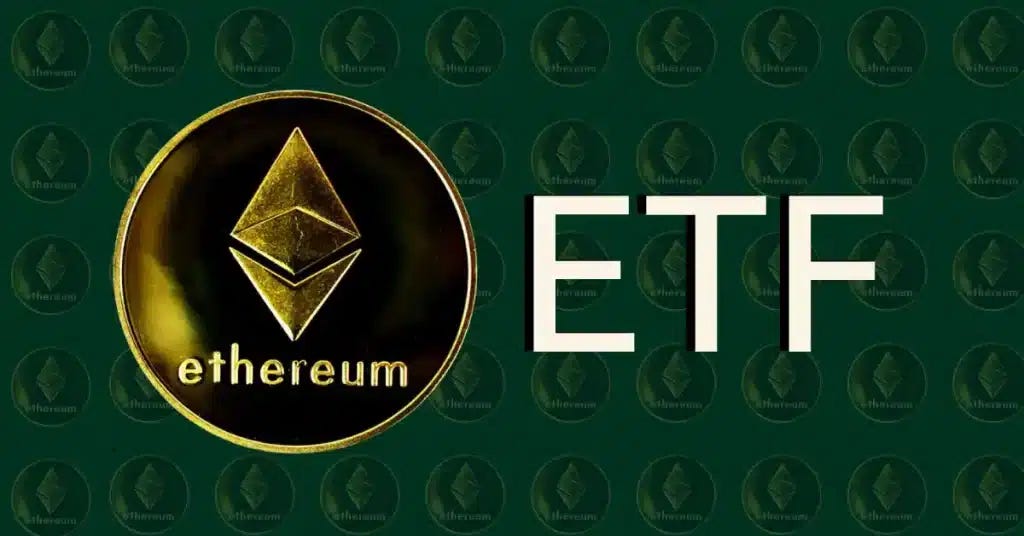
3. Grayscale's Bitcoin Mini Trust (BTC)
Grayscale’s Bitcoin Mini Trust addresses the high minimum investment barrier of its flagship GBTC product, democratizing access for smaller portfolios. By reducing the entry threshold, it allows retail investors to hold Bitcoin shares with greater affordability. This structure maintains Grayscale’s operational expertise while catering to those who previously found the standard trust’s share price prohibitive for initial participation.
4. Morgan Stanley's Bitcoin ETF (MSBT)
Morgan Stanley’s MSBT integrates Bitcoin exposure directly into existing brokerage accounts, leveraging the bank’s vast distribution network. This seamless integration allows clients to buy and sell shares alongside traditional equities without opening specialized crypto accounts. It represents a bridge between conventional finance and digital assets, appealing to advisors managing diversified portfolios who want to add crypto allocation easily.

5. Solana and XRP ETF prospects
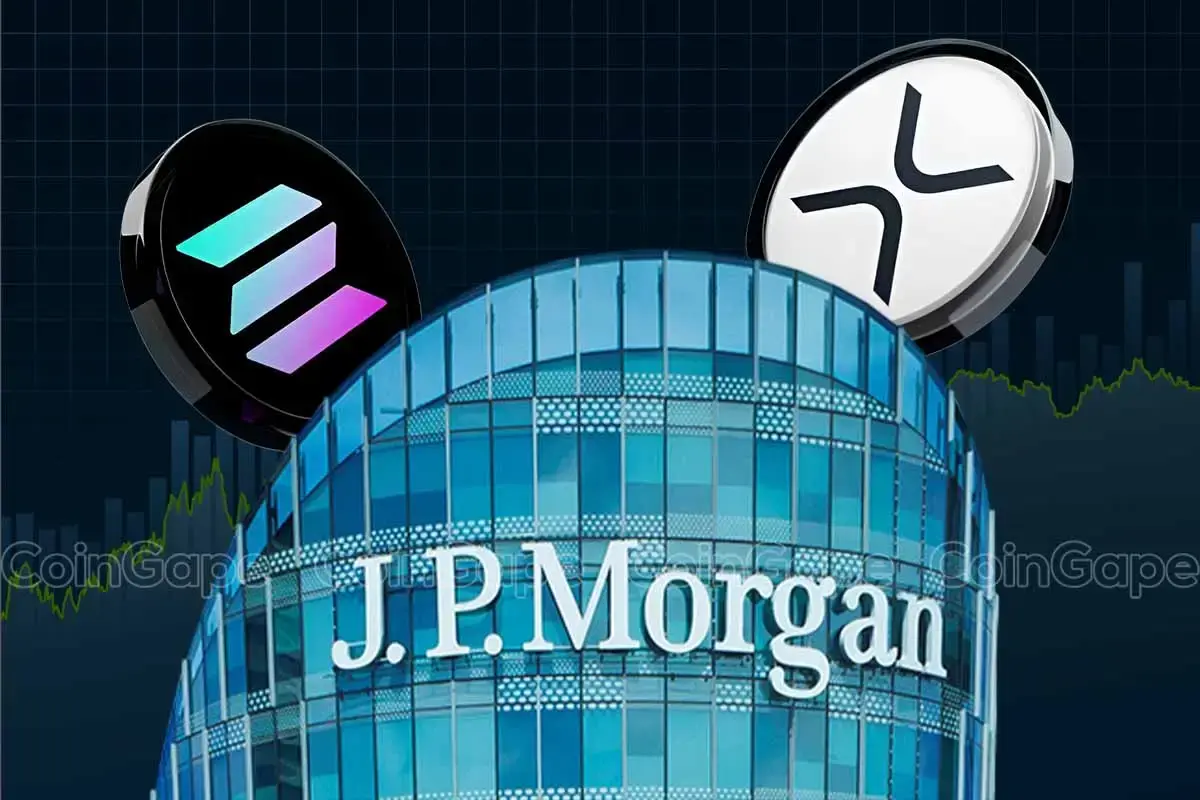
While not yet fully launched as standalone spot ETFs in the US, Solana and XRP face imminent regulatory clarity that could spark approval. Investors are watching closely as these altcoins demonstrate distinct utility—Solana for speed and XRP for cross-border payments. Anticipated products may emerge soon, offering diversified exposure to high-growth blockchain ecosystems beyond the Bitcoin and Ethereum duopoly.
Comparing top crypto ETF fees
Choosing between crypto ETFs often comes down to two numbers: the annual expense ratio and the issuer's track record. For long-term holders, lower fees compound into significant savings, while larger issuers typically offer deeper liquidity and tighter bid-ask spreads. The following table breaks down the five most prominent spot crypto ETFs available in 2026, focusing on their cost structure and assets under management (AUM).
| ETF Name | Issuer | Expense Ratio | AUM (Approx) |
|---|---|---|---|
| Morgan Stanley Bitcoin Trust (MSBT) | Morgan Stanley | 0.14% | $1.8B |
| iShares Bitcoin Trust (IBIT) | BlackRock | 0.25% | $42.5B |
| iShares Ethereum Trust (ETHA) | BlackRock | 0.25% | $4.25B |
| Fidelity Ethereum ETF (FETH) | Fidelity | 0.25% | $2.1B |
| Grayscale Bitcoin Mini Trust (BTC) | Digital Currency Group | 0.15% | $3.4B |
Morgan Stanley’s MSBT currently offers the lowest cost for Bitcoin exposure, making it attractive for cost-sensitive investors. BlackRock’s IBIT remains the largest by AUM, providing high liquidity despite a slightly higher fee. For Ethereum, ETHA and FETH are tied in fees, allowing investors to choose based on their preferred brokerage platform or existing account relationships.


As an Amazon Associate, we may earn from qualifying purchases.
Crypto ETF questions for 2026
Investors looking for direct exposure to digital assets in 2026 are turning to spot ETFs that track specific cryptocurrencies. The market has expanded beyond Bitcoin to include Ethereum, Solana, and XRP, offering diversified options for different risk tolerances.
What is the new crypto ETF for 2026?
The latest wave of crypto ETFs launched in 2026 includes several major products. BlackRock's IBIT remains the primary Bitcoin ETF, while Morgan Stanley's MSBT offers the lowest-cost Bitcoin exposure. Ethereum options include BlackRock's ETHA and Fidelity's FETH. For diversified multi-asset exposure, Grayscale's GDLC is a notable addition to the 2026 lineup [src-serp-2].
Which is the best crypto to invest in in 2026?
Bitcoin and Ethereum continue to dominate market capitalization, but Solana and XRP have gained significant traction. Forbes lists Bitcoin as the top cryptocurrency by market cap, followed closely by Ethereum. Solana and XRP are also highly ranked due to their utility and trading volume, making them strong contenders for 2026 portfolios [src-serp-2].
Can I buy crypto ETFs through a regular brokerage?
Yes. Most major brokerages, including Fidelity, Charles Schwab, and E*TRADE, allow you to buy spot crypto ETFs just like stocks. You do not need a crypto exchange account. Simply search for the ETF ticker symbol (e.g., IBIT, ETHA) in your brokerage platform.
Are crypto ETFs safer than holding crypto directly?
Crypto ETFs offer a layer of security because the underlying assets are held by regulated custodians, not on your personal wallet. This reduces the risk of losing private keys or falling victim to exchange hacks. However, you are still exposed to the price volatility of the underlying cryptocurrency.
No comments yet. Be the first to share your thoughts!