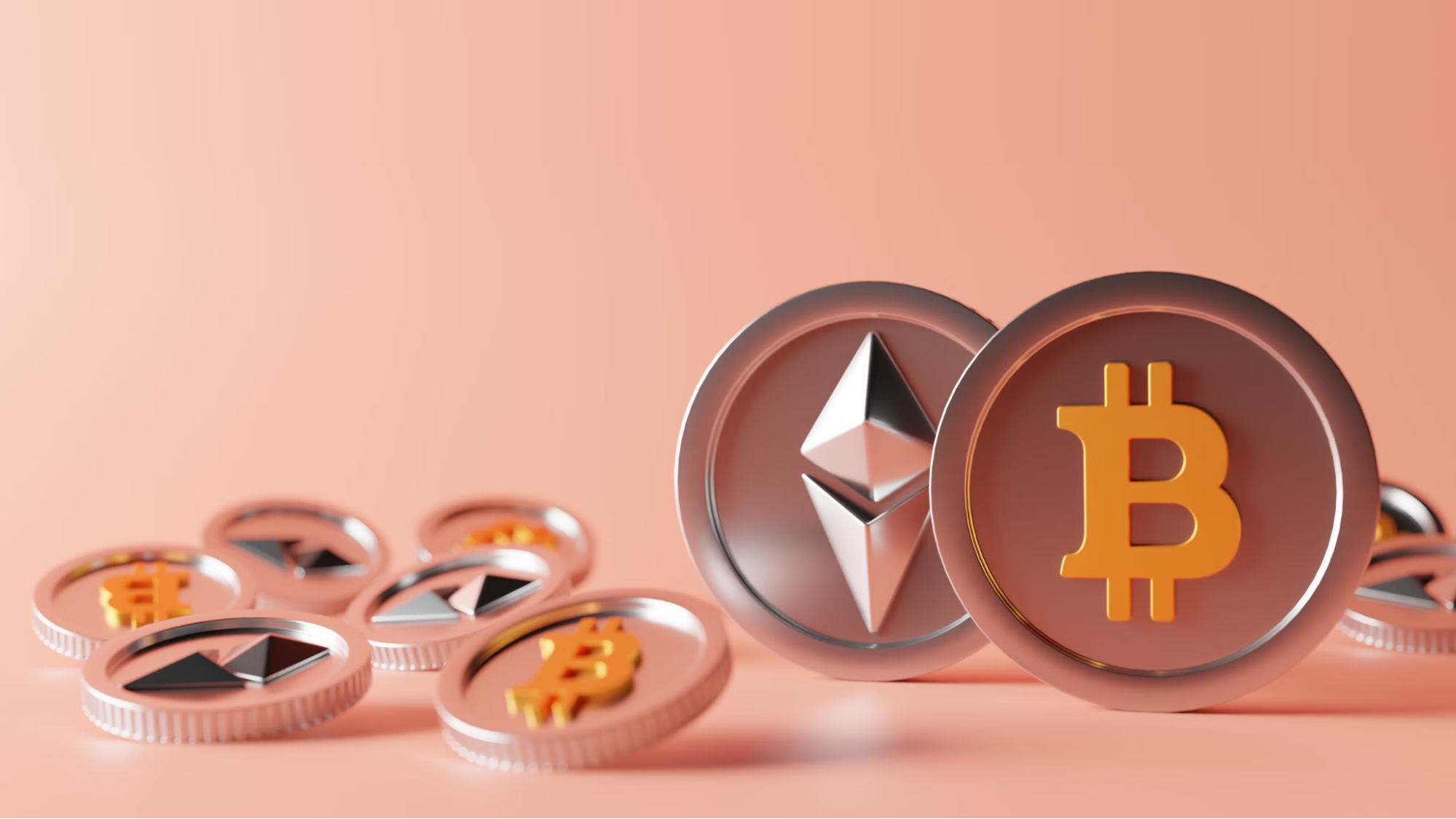
The 2026 crypto ETF market is defined by scale and consolidation.
The landscape for cryptocurrency exchange-traded funds has matured significantly since the initial spot Bitcoin approvals. By mid-2026, the total assets under management (AUM) for crypto ETFs in the U.S. surpassed $115 billion, a figure that underscores the institutional adoption of these vehicles. This growth represents a structural shift from the speculative futures-based products of the past to direct, spot-based exposure. Investors now primarily seek the underlying assets—Bitcoin and Ethereum—rather than derivatives.
Spot Bitcoin and Ethereum products dominate this market. Tickers like IBIT and ETHA have become the standard bearers for digital asset exposure in traditional portfolios. While the total number of crypto ETFs has expanded to over 170 funds, the vast majority of capital is concentrated in these top-tier spot products. The average expense ratio for these funds has settled around 0.83%, reflecting the competitive pressure among major issuers to lower costs and capture market share. This consolidation means that for most investors, the choice is no longer whether to buy a crypto ETF, but which of the leading spot products offers the best liquidity and lowest fees.


As an Amazon Associate, we may earn from qualifying purchases.
Best Bitcoin spot ETFs
Bitcoin spot ETFs have become the primary vehicle for institutional and retail exposure to the asset, with BlackRock’s IBIT leading the field in assets under management. The market has consolidated around a few major providers, making the choice largely a function of expense ratios and trading liquidity rather than fundamental differences in how the funds hold Bitcoin.
IBIT, FBTC, and HODL dominate the sector. BlackRock’s IBIT offers the deepest liquidity, which is critical for large institutional orders. Fidelity’s FBTC and VanEck’s HODL compete closely on cost, with HODL often cited as one of the lowest-cost options available. For long-term holders, the difference in expense ratios between these top-tier funds is minimal but meaningful over time.
The following table compares the key metrics for the leading Bitcoin spot ETFs. Data reflects typical market conditions in 2026, sourced from industry aggregators like YCharts and financial advisors such as Forbes.
| ETF | Provider | Expense Ratio | AUM Rank |
|---|---|---|---|
| IBIT | BlackRock | 0.25% | 1 |
| FBTC | Fidelity | 0.25% | 2 |
| HODL | VanEck | 0.25% | 3 |
| BTCO | Bitwise | 0.20% | 4 |
| BTCY | Invesco | 0.25% | 5 |
Liquidity is the most underrated factor in ETF selection. While expense ratios matter, the bid-ask spread and daily trading volume determine how easily you can enter or exit a position without slippage. IBIT and FBTC consistently show the highest daily volumes, making them the safest choices for active traders. For buy-and-hold investors, the lower-cost options like BTCO (Bitwise) or HODL (VanEck) may offer slightly better long-term returns due to fee compression.
When selecting a Bitcoin spot ETF, prioritize funds with high assets under management and low expense ratios. The top three funds—IBIT, FBTC, and HODL—offer nearly identical exposure, so your decision should hinge on your broker’s fee structure and the specific liquidity needs of your portfolio.


As an Amazon Associate, we may earn from qualifying purchases.
Top Ethereum spot ETFs
The Ethereum spot ETF landscape has shifted from a single-issuer monopoly to a competitive field. While BlackRock’s ETHA remains the dominant force by assets under management, other major issuers like Fidelity (FIW) and Franklin Templeton (EZBC) have carved out significant market share. These funds allow investors to gain direct exposure to Ethereum’s price movements without the technical friction of self-custody.
Unlike Bitcoin, Ethereum’s protocol includes staking mechanisms that generate yield. Some issuers are beginning to explore staking rewards within their ETF structures, though regulatory clarity remains a moving target. This potential for yield is the primary differentiator separating Ethereum products from their Bitcoin counterparts. Investors should weigh the fee structures carefully, as lower expense ratios can compound significantly over long holding periods.
The table below compares the key metrics for the leading Ethereum spot ETFs, including expense ratios and staking capabilities. These figures are based on current fund prospectuses and public data.
| Ticker | Issuer | Expense Ratio | Staking Support |
|---|---|---|---|
| ETHA | BlackRock | 0.25% | Limited/Exploring |
| FIW | Fidelity | 0.25% | Limited/Exploring |
| EZBC | Franklin Templeton | 0.30% | Limited/Exploring |
| ETHV | VanEck | 0.25% | None |
For those looking to build a broader crypto portfolio or research these funds further, relevant tools and books are available below.


As an Amazon Associate, we may earn from qualifying purchases.
Leveraged and altcoin ETFs
While spot Bitcoin and Ethereum funds like IBIT and ETHA offer straightforward exposure, a smaller subset of funds targets high-risk, high-reward strategies. These include leveraged ETFs that amplify daily returns and altcoin index funds that track baskets of smaller cryptocurrencies. ProShares currently offers the largest lineup of crypto ETFs, including leveraged and inverse products tied to Bitcoin, Ether, and the CoinDesk 20 Index.
Warning: Leveraged ETFs are designed for daily trading, not long-term holding. Due to daily rebalancing and volatility decay, these funds can lose significant value even if the underlying asset rises over time. They are suitable only for short-term speculation.
Altcoin index funds, such as those tracking the CoinDesk 20, provide diversification across multiple digital assets but come with higher volatility than single-asset funds. These products are generally not recommended for conservative investors or those seeking steady, long-term growth.

As an Amazon Associate, we may earn from qualifying purchases.
How to choose a 2026 crypto ETF
Selecting the right crypto exchange-traded fund (ETF) in 2026 requires balancing cost, trust, and market mechanics. The market has shifted from speculative futures to regulated spot products, meaning your choice now directly impacts long-term returns through expense ratios and liquidity.
Prioritize low expense ratios
Cost is the most reliable predictor of long-term performance. For spot Bitcoin and Ethereum funds, fees range from 0.14% to 0.25% annually. Products like MSBT (0.14%) and IBIT (0.25%) offer the lowest-cost exposure for long-term holders, while ETHA provides competitive pricing for Ethereum. Over a decade, even a 0.10% difference compounds significantly against your total return.
Verify issuer reputation and liquidity
Not all ETFs trade equally. High-volume funds like IBIT ensure tight bid-ask spreads, reducing the hidden cost of entry and exit. Stick to established issuers with robust infrastructure and regulatory compliance. Avoid niche funds with low assets under management (AUM), as they may suffer from wider spreads or tracking errors during market volatility.
Decide on staking benefits
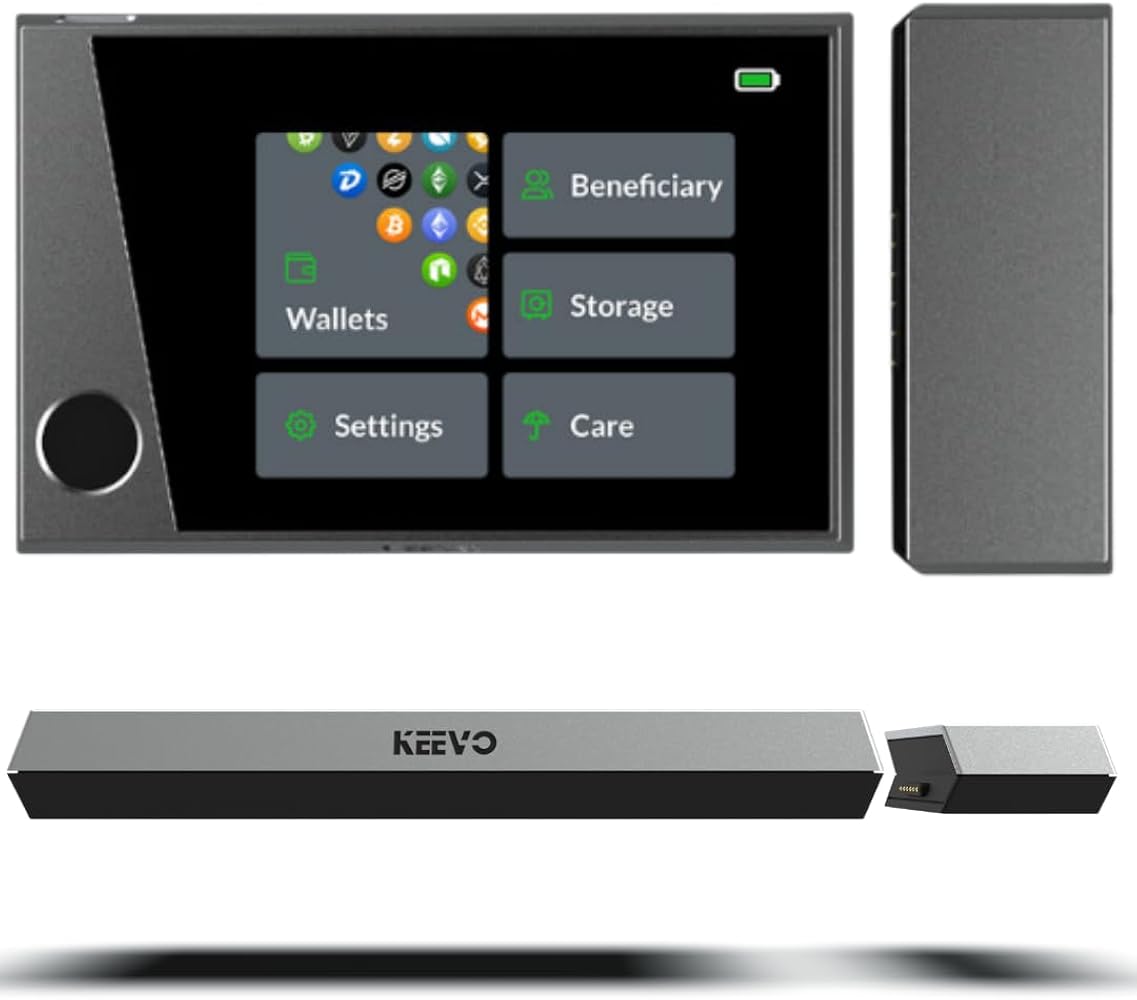
Determine if you want passive yield or pure price exposure. Spot Bitcoin ETFs do not generate yield. Spot Ethereum ETFs may offer staking rewards, but these are often passed through to investors after fees, potentially reducing the net benefit compared to holding ETH directly in a self-custody wallet. For most investors, simplicity and lower fees outweigh the marginal gains from staking.
-
Expense ratio under 0.25%
-
High daily trading volume
-
Reputable issuer with regulatory history
-
Clear staking policy if yield is desired


As an Amazon Associate, we may earn from qualifying purchases.
2026 crypto ETF outlook
The crypto ETF market is moving beyond the initial hype cycle into a phase of structural integration. BlackRock’s head of equity ETFs Jay Jacobs told CNBC that the asset class is still in its early days, suggesting that current flows represent only a fraction of potential institutional demand. As regulatory frameworks solidify, the focus is shifting from speculative trading to long-term portfolio allocation.
The most significant near-term catalyst is the potential approval of Solana and other altcoin ETFs. While Bitcoin and Ethereum funds like IBIT and ETHA dominate current volumes, regulators are evaluating applications for additional digital assets. Approval would broaden the market, though it also introduces new volatility risks as these assets lack the track record of their predecessors.
Institutional adoption continues to grow, driven by the need for compliant exposure without the operational burden of self-custody. However, investors should remain cautious. Recent market data indicates that even established Bitcoin ETFs can experience significant drawdowns, with some periods seeing the worst monthly performance on record. This underscores the importance of viewing crypto ETFs as high-volatility components rather than stable savings vehicles.


As an Amazon Associate, we may earn from qualifying purchases.
Frequently asked: what to check next
What is the best crypto ETF to buy right now?
For direct exposure to Bitcoin, BlackRock’s iShares Bitcoin Trust (IBIT) remains the largest and most liquid option, while Ethereum-focused investors often look to Ether ETFs like BlackRock’s ETHA. The "best" choice depends on whether you prioritize the stability of Bitcoin’s market cap or the utility of Ethereum’s network. Always check the expense ratio and trading volume for the specific ticker you choose.
What is the prediction for the Bitcoin ETF in 2026?
Market forecasts for 2026 remain volatile. Recent analysis suggests Bitcoin could face significant downside pressure, with some predictions pointing to a risk of sliding toward $42,000 amid challenging monthly trends. Because crypto markets are highly sensitive to macroeconomic shifts and regulatory updates, these predictions are speculative and should not be taken as guaranteed outcomes.
What ETF will boom in 2026?
While no one can predict which specific fund will "boom," Bitcoin and Ethereum ETFs continue to dominate inflows as institutional adoption grows. Providers like VanEck and WisdomTree are expanding their offerings, but historical performance does not guarantee future results. Investors should focus on low-cost index funds that track the underlying assets rather than chasing speculative trends.
What is the next big crypto to invest in in 2026?
Currently, the most accessible way to invest in major cryptocurrencies is through regulated Bitcoin and Ethereum ETFs. While other altcoins exist, they lack the regulatory clarity and liquidity of the top two assets. For now, sticking to established funds like IBIT or ETHA reduces the risk associated with smaller, unregulated digital assets.
No comments yet. Be the first to share your thoughts!